Welcome to Vbond
Acoustic Properties of Aluminum Composite Panels for Interior Use
For procurement professionals, interior building materials are typically evaluated on durability, fire safety, aesthetics, and cost. But one performance attribute has become increasingly critical in modern construction: acoustic comfort. As open-plan offices, collaborative workspaces, healthcare facilities, and educational environments prioritize speech clarity and noise reduction, the materials specified for ceilings, walls, and partitions must actively manage sound—not merely reflect it.
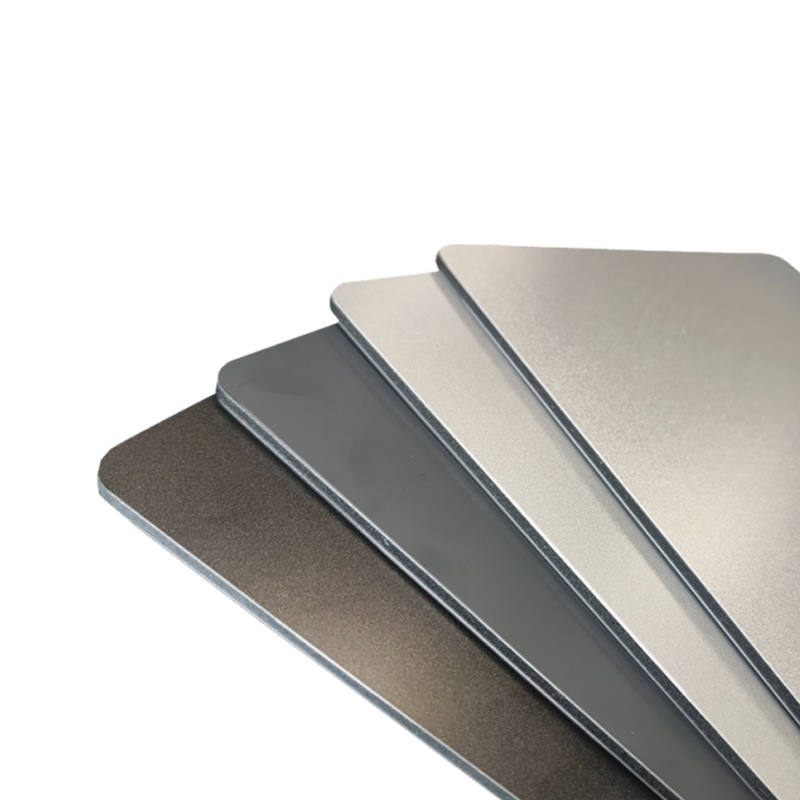
Aluminum composite panels (ACPs) are widely recognized for their lightweight construction, flatness, and design versatility. However, their acoustic properties are often misunderstood. A standard solid ACP is not inherently "soundproof," but when engineered with perforations, acoustic cores, and proper installation techniques, ACP systems can deliver exceptional sound absorption and transmission loss—rivaling traditional acoustic materials while retaining the durability and aesthetic appeal of metal.
This article provides a comprehensive analysis of ACP acoustic performance for interior applications, including key metrics (NRC, STC), design strategies (perforation, backing materials, cavity depth), testing standards, application-specific recommendations, and procurement specifications.
1. Understanding Acoustic Metrics for ACPs
Before evaluating ACP performance, procurement professionals must understand the two primary acoustic metrics that apply to interior building materials: Sound Transmission Class (STC) and Noise Reduction Coefficient (NRC). These metrics measure two distinct acoustic behaviors—blocking sound vs. absorbing sound—and both are relevant to ACP systems depending on the application.
Sound Transmission Class (STC)
STC measures how effectively a building element blocks airborne sound from passing through it from one space to another. The higher the STC rating, the better the material resists sound transmission.
STC Rating | Performance Description |
20–25 | Normal speech can be understood through the barrier |
30–35 | Loud speech can be heard but not understood |
40–45 | Loud speech is faint; most conversations are inaudible |
50–55 | Very loud sounds are barely audible; code minimum for multi-family party walls |
60+ | Superior sound isolation; dedicated recording studios |
For interior ACP applications, a standard 4mm solid ACP sheet has an STC rating of approximately 23, meaning it reduces sound by about 23 decibels[reference:0]. Thicker panels improve performance incrementally: a 6mm solid ACP sheet achieves an STC of approximately 27.
However, when ACPs are integrated into a properly designed assembly—such as an ACP skin over mineral wool insulation within a ventilated cavity, sealed with acoustic sealants—the layered system can achieve STC ratings from 40 to 55, effectively blocking exterior noise and minimizing sound transmission between interior spaces. This makes ACP assemblies suitable for office partitions, conference room walls, and healthcare privacy applications.
Noise Reduction Coefficient (NRC)
NRC measures how effectively a material absorbs sound rather than reflecting it into a room. NRC is expressed as a value between 0.0 (perfectly reflective, no absorption) and 1.0 (perfectly absorptive, no reflection). Materials with high NRC ratings reduce reverberation (echo) and improve speech clarity.
NRC Value | Absorption Description | Typical Applications |
0.0–0.15 | Highly reflective | Concrete, glass, and solid metal panels |
0.15–0.40 | Low absorption | Painted drywall, wood panels |
0.40–0.70 | Moderate absorption | Carpet, acoustic ceiling tiles |
0.70–0.95 | High absorption | Perforated acoustic panels, fabric-wrapped panels |
1.00+ | Superior absorption | Dedicated acoustic foam, specialized composites |
Solid ACPs with no perforations have very low NRC values—they reflect sound rather than absorbing it. However, perforated ACPs combined with absorptive backings achieve NRC ratings from 0.60 to 0.90, making them highly effective for controlling reverberation in open-plan spaces.
2. The Science of Sound Absorption in ACPs
Solid metal surfaces reflect sound waves, which is why a standard ACP ceiling or wall in an empty room can produce echo and reverberation. To transform an ACP into an acoustic panel, the material must be engineered to allow sound waves to enter the panel structure and dissipate their energy.
The acoustic performance of an ACP system depends on four interdependent variables:
2.1 Perforation Pattern and Open Area
Perforations in the aluminum face sheet are the gateway for sound waves to enter the panel. The diameter, spacing, and pattern of holes determine which frequencies are absorbed and the overall absorption coefficient.
- Perforation diameter: DAMPA, a leading acoustic metal ceiling manufacturer, recommends avoiding perforations larger than 10 mm in diameter as they lose acoustic effectiveness. Typical acoustic perforations range from 0.8 mm to 5 mm, with micro-perforations (below 1 mm) offering a near-invisible appearance.
- Open area ratio: The percentage of the panel surface that is perforated typically ranges from 5% to 30%. Higher open area generally increases sound absorption, particularly for mid-to-high frequencies. For example, perforated aluminum panels with an open area of 15–20 percent, together with a black acoustical fleece, can produce an NRC of 0.70 or higher.
- Pattern type: Circular holes, slotted perforations, and custom patterns all affect acoustic performance. Circular holes are most common and provide consistent broadband absorption.
2.2 Absorptive Backing Material
The backing material behind the perforated aluminum skin is the primary sound-absorbing element. Common backing materials include:
Backing Material | NRC Range | Key Characteristics |
Mineral wool | 0.75–0.85 | Fire-resistant, excellent mid-to-high frequency absorption, cost-effective |
Acoustic foam | 0.60–0.85 | Lightweight, customizable density, good broadband absorption |
Fiberglass | 0.70–0.95 | High absorption requires encapsulation for indoor air quality |
Recycled cotton | 0.60–0.80 | Eco-friendly, Class A fire rating available |
Polyester (PET) | 0.60–0.75 | Moisture-resistant, non-irritating, LEED-friendly |
The combination of perforated aluminum face with a mineral wool or foam core absorbs mid to high frequencies, achieving NRC ratings from 0.6 to 0.9.
2.3 Cavity Depth Behind the Panel
The air cavity between the ACP and the structural backing (wall or ceiling plenum) acts as a resonator, enhancing low-frequency absorption. Deeper cavities shift the absorption peak toward lower frequencies.
- Shallow cavity (25–50 mm): Optimized for mid-to-high frequency absorption (speech frequencies)
- Medium cavity (50–100 mm): Balanced broadband absorption
- Deep cavity (100–200 mm): Enhanced low-frequency absorption (mechanical noise, HVAC rumble)
Research indicates that with a cavity of approximately 60 mm, NRC reaches 0.70; with a 90 mm cavity, NRC reaches 0.75. At 1000 Hz, absorption coefficients can reach 0.95 with optimal cavity depth.
2.4 Panel Thickness and Core Construction
While the face sheet thickness (typically 0.3–0.5 mm for interior ACPs) has minimal direct impact on absorption, the total panel construction affects sound transmission loss. For honeycomb-core ACPs, the core structure can provide additional sound damping by creating multiple small resonant cavities within the panel itself.
Aluminum honeycomb perforated sound absorption boards achieve NRC values ranging from 0.60 to 0.95 by adjusting perforation rates, with STC isolation values reaching 45–55 dB at optimal perforation rates of approximately 25%.
3. Acoustic Performance Data for ACP Systems
The following table summarizes acoustic performance data for various ACP configurations based on laboratory testing to ASTM C423 (NRC) and ASTM E90 (STC):
ACP Configuration | NRC Range | STC Range | Typical Applications |
Solid 4mm ACP (no perforations, no backing) | 0.05–0.10 | 23 | Non-acoustic interior walls, back-pans |
Solid 4mm ACP + mineral wool backing (no perforations) | 0.15–0.30 | 25–28 | Limited absorption; sound reflects off the metal face |
Perforated ACP (15–20% open area) + acoustic fleece | 0.60–0.75 | 25–30 | Ceilings, wall panels in offices, retail |
Perforated ACP (15–25% open area) + mineral wool (25–50 mm cavity) | 0.75–0.85 | 30–35 | Open-plan offices, conference rooms, and classrooms |
Perforated ACP + mineral wool + deep cavity (75–100 mm) | 0.85–0.95 | 35–40 | Auditoriums, theaters, lecture halls |
Perforated honeycomb ACP with optimized perforation (25% open) | 0.70–0.90 | 45–55 | High-performance acoustic walls, studio partitions |
Micro-perforated ACP (no visible holes) + acoustic backing | 0.60–0.80 | 28–35 | Premium aesthetics with concealed acoustic performance |
4. Comparing ACP Acoustics to Alternative Materials
For procurement professionals evaluating interior acoustic solutions, it is useful to compare ACP systems against alternative materials on both acoustic performance and other selection criteria.
Material | NRC (Typical) | STC (Typical) | Durability | Moisture Resistance | Fire Rating | Aesthetic Flexibility |
Perforated ACP (acoustic) | 0.70–0.90 | 25–40 | Excellent | Excellent | A2/B1 available | High (custom colors, patterns) |
Mineral fiber ceiling tile | 0.55–0.80 | 20–30 | Low | Low | Class A | Moderate |
Fabric-wrapped acoustic panel | 0.65–0.85 | 15–25 | Moderate | Low | Class A | High (custom fabrics) |
Gypsum board | 0.10–0.20 | 30–45 | Moderate | Low | Class A | Low |
Wood acoustic pane | 0.55–0.80 | 20–30 | Moderate | Moderate | Class B–C | Moderate |
Metal acoustic panel (steel) | 0.60–0.85 | 25–35 | Excellent | Excellent | Class A | High |
While traditional acoustic materials like mineral fiber tiles and fabric-wrapped panels offer good absorption, they are susceptible to moisture damage, staining, and physical impact. ACP acoustic systems combine high NRC ratings with exceptional durability, moisture resistance, cleanability, and fire safety—making them particularly suitable for healthcare, education, and high-traffic commercial interiors.
5. Applications for Acoustic ACPs in Interior Spaces
5.1 Open-Plan Offices
Open-plan offices suffer from excessive noise due to a lack of partitions, with conversations carrying across the space and reducing productivity. Aluminium acoustic ceilings absorb speech and reduce distraction. Panels with STC ≥40 prevent conversations from carrying across rooms, while NRC ≥0.75 ensures sound is absorbed rather than reflected. A telecom headquarters in Dushanbe retrofitted open-plan offices with micro-perforated aluminium panels, achieving an NRC of 0.80 and reducing employee complaints about noise by 30%.
5.2 Classrooms and Lecture Halls
In educational environments, speech clarity is essential for effective learning. Acoustic ceiling panels with NRC ≥0.75 ensure that teacher-student communication is clear, with reverberation times reduced to ≤0.7 seconds as recommended by acoustic standards. A school in Amman replaced gypsum ceilings with aluminium acoustical panels, improving speech clarity scores by 22% while reverberation dropped from 1.6 to 0.7 seconds.
5.3 Healthcare Facilities
Hospitals require low-noise environments for healing and communication. Fire-rated aluminium ceilings provide dual safety and acoustic control, with NRC ≥0.78 ensuring patient rooms and corridors stay quiet. A hospital in Muscat installed antimicrobial aluminium acoustical ceilings in wards, achieving a 15% improvement in patient satisfaction scores.
5.4 Conference Rooms and Meeting Spaces
Meetings require high speech intelligibility and minimal distractions. Aluminium acoustical ceilings with NRC 0.80 improve clarity, and device-ready panels integrate cameras and microphones seamlessly. An international hotel in Khujand installed decorative aluminium acoustic ceilings with NRC 0.77, supporting hybrid meetings with crystal-clear sound.
5.5 Auditoriums and Performance Spaces
Theaters and auditoriums require superior broadband absorption across the entire frequency spectrum. Perforated ACP systems with mineral wool cores and deep cavities achieve NRC ratings of 0.85–0.95, effectively controlling reverberation and improving sound quality for both speech and music.
5.6 Restaurants and Hospitality Venues
Open-plan restaurants often suffer from excessive noise that diminishes the dining experience. Perforated ACP ceilings with NRC 0.70–0.85 absorb ambient conversation noise, reducing overall sound levels and improving speech intelligibility at individual tables. The sleek aluminum finish resists grease, steam, and cleaning chemicals, maintaining appearance over years of service.
5.7 Server Rooms and Technical Spaces
Server rooms are high-noise environments where continuous operation of cooling fans, power distribution units, and IT equipment creates constant background noise. Perforated aluminum panels with acoustic backings can reduce equipment noise, improving working conditions for maintenance personnel without compromising airflow or fire safety.
6. Acoustic Testing Standards for ACPs
When evaluating ACP suppliers for acoustic applications, procurement professionals should require documentation of testing to recognized standards:
Standard | Description | Applicability to ACPs |
ASTM C423 | Standard test method for sound absorption (NRC) | Primary standard for absorption; required for LEED EQ credits |
ASTM E90 | Standard test method for airborne sound transmission loss (STC) | Primary standard for transmission loss through wall/ceiling assemblies |
ISO 354 | Measurement of sound absorption in reverberation rooms | International equivalent to ASTM C423 |
ASTM E413 | Classification for rating sound insulation (STC) | Converts transmission loss data to STC rating |
ASTM E795 | Standard practices for mounting test specimens during sound absorption tests | Specifies mounting conditions (including cavity depth) for testing |
For LEED certification, acoustic materials must demonstrate measurable sound absorption with certified NRC values tested to ISO 354 or ASTM C423. Products with high NRC ratings contribute to LEED EQ credits by reducing reverberation and background noise.
7. Designing with Acoustic ACPs: Key Parameters
For procurement professionals specifying acoustic ACPs, the following design parameters directly affect performance:
7.1 Perforation Specification
- Perforation diameter: 0.8–5 mm (micro-perforations 0.5–1.0 mm for concealed appearance)
- Open area: 10–25% for most applications (higher open area increases absorption)
- Pattern: Circular holes are standard; slotted patterns are available for custom aesthetics
7.2 Backing Material Specification
- Mineral wool: Density 40–80 kg/m³, thickness 25–50 mm
- Acoustic fleece: Non-woven polyester or fiberglass, typically 1–3 mm thick
- Encapsulation: For fiberglass backings, specify encapsulated (PVC-wrapped) products for indoor air quality
7.3 Cavity Depth Specification
- Standard applications (offices, classrooms): 25–50 mm cavity
- High-performance applications (auditoriums, theaters): 75–150 mm cavity
- Edge sealing: Panel edges must be sealed with acoustic gasketing to prevent sound leakage around joints
7.4 Installation Method
- Suspended ceiling systems: T-bar grid with acoustic sealant at perimeter
- Wall-mounted systems: Furring channels with acoustic isolation clips to prevent flanking noise
- Sealant requirements: Neutral-cure silicone at all joints and penetrations
8. Benefits Beyond Acoustics
For procurement professionals, specifying acoustic ACPs offers advantages that extend beyond sound control:
8.1 Durability and Impact Resistance
Unlike mineral fiber or fabric-wrapped acoustic panels, ACPs resist impact damage, denting, and scratching. In high-traffic areas such as school corridors, transit stations, and healthcare facilities, this durability translates to lower replacement costs and reduced maintenance frequency.
8.2 Moisture and Humidity Resistance
ACPs are non-porous and do not absorb moisture. In kitchens, restrooms, indoor pools, and coastal environments, ACP acoustic panels maintain their performance without warping, staining, or supporting mold growth—issues that plague fiber-based acoustic materials.
8.3 Cleanability and Hygiene
The smooth aluminum surface of ACPs can be cleaned with mild detergents and disinfectants without damaging the acoustic backing (provided the backing is encapsulated). This makes acoustic ACPs suitable for healthcare, food service, and laboratory environments where hygiene is critical.
8.4 Fire Safety
Acoustic ACP systems can be specified with A2 fire-rated mineral cores (non-combustible) or B1 flame-retardant cores. The mineral wool backing itself is non-combustible, and aluminum does not contribute to flame spread. This contrasts with fabric-wrapped panels, which may use combustible foams, and mineral fiber tiles, which can degrade under fire conditions.
8.5 Sustainability
Aluminum is infinitely recyclable, and many acoustic ACP systems incorporate recycled content in both the aluminum skins and the core materials. Perforated aluminum acoustic panels can be fully recycled at end-of-life, contributing to circular economy goals and LEED MR credits.
9. Procurement Specifications for Acoustic ACPs
To ensure that specified ACPs deliver the required acoustic performance, procurement professionals should include the following in their documentation:
9.1 Performance Specifications
- NRC requirement: Specify minimum NRC value (e.g., NRC ≥0.70) based on application
- STC requirement: Specify minimum STC rating for partition or ceiling assemblies (e.g., STC ≥40 for office-to-office walls)
- Reverberation time target: Specify maximum RT60 in seconds for the space (e.g., ≤0.6 seconds for open offices, ≤0.7 seconds for classrooms)
- Testing standard: Require testing to ASTM C423 (NRC) and ASTM E90 (STC) by an independent laboratory
9.2 Material Specifications
- Perforation pattern: Specify hole diameter, spacing, and open area percentage
- Backing material: Specify type (mineral wool, acoustic fleece, fiberglass), density, and thickness
- Core type: Specify PE, FR, or A2 mineral core based on fire rating requirements
- Cavity depth: Specify required air gap behind panels for intended frequency response
9.3 Installation Specifications
- Acoustic sealant: Specify neutral-cure silicone at all panel joints and perimeters
- Gasketing: Require acoustic gasketing at panel edges to prevent sound leakage
- Mounting system: Specify isolation clips or resilient channels for wall-mounted systems to prevent flanking noise
9.4 Documentation Requirements
- Test reports: Require laboratory test reports (ASTM C423, ASTM E90) for the specific panel assembly
- LEED documentation: If pursuing LEED certification, require NRC values certified to ISO 354
- Warranty: Specify acoustic performance warranty covering both absorption and transmission loss
10. Common Misconceptions About ACP Acoustics
Misconception | Reality |
"Solid ACP is soundproof." | Solid 4mm ACP has STC 23, providing modest sound reduction but not "soundproofing" by industry standards |
"All perforated ACPs have the same acoustic performance." | Performance varies dramatically based on open area, hole diameter, backing material, and cavity depth |
"Thicker ACP always means better acoustics." | For absorption, cavity depth and backing material matter more than panel thickness; for transmission loss, assembly construction matters more than the panel alone |
"ACP ceilings are too reflective for good acoustics." | Perforated ACP ceilings with acoustic backing achieve NRC 0.70–0.90, comparable to premium acoustic ceiling tiles |
"Acoustic ACPs are too expensive." | While upfront cost may exceed mineral fiber tiles, lifecycle cost is often lower due to durability, cleanability, and reduced replacement frequency |
11. Conclusion
The acoustic properties of aluminum composite panels for interior use have evolved significantly beyond the limitations of solid metal cladding. Through engineered perforations, absorptive backing materials, and optimized cavity depths, ACP systems now achieve NRC ratings from 0.60 to 0.90 and STC ratings from 25 to 55 in properly designed assemblies.
For procurement professionals, the key to successful acoustic ACP specification lies in understanding the relationship between design parameters and performance outcomes. Perforation pattern determines which frequencies are targeted. Backing material determines absorption efficiency. Cavity depth determines low-frequency response. Installation quality determines whether the theoretical performance is realized in the finished space.
When specified correctly, acoustic ACPs deliver a compelling value proposition: the durability, cleanability, fire safety, and aesthetic versatility of metal cladding combined with the sound absorption performance required for modern interior environments. From open-plan offices and classrooms to hospitals and auditoriums, acoustic ACPs provide a solution that performs acoustically without compromising on the other attributes that make aluminum composite panels a preferred building material.