Welcome to Vbond
PVDF NANO aluminum composite panel
- PVDF NANO aluminum composite panel
- self-cleaning facade cladding
- nano-ceramic coating ACP
- hydrophobic composite panel
- photocatalytic building materials
- low-maintenance architectural panels
- advanced PVDF coating technology
- antimicrobial building envelope
- high-durability ACP
- sustainable facade solutions
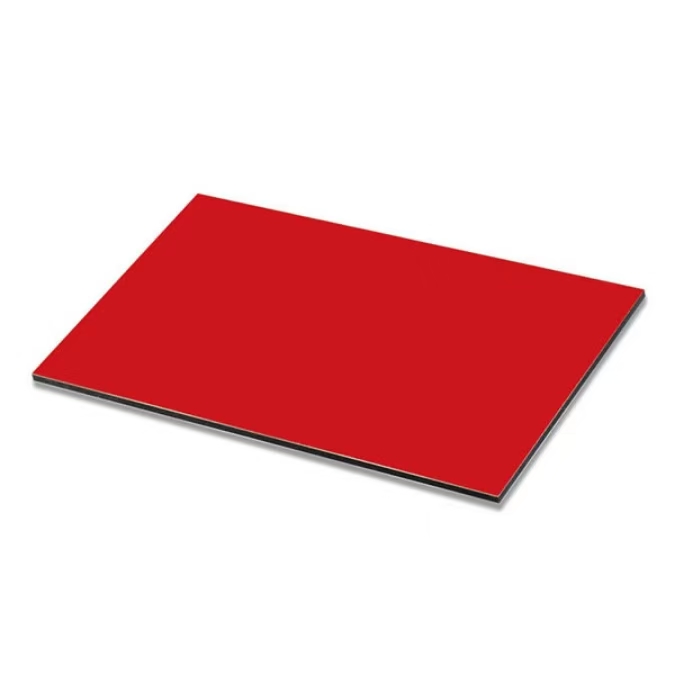
Specification | |
Product Name | Wooden aluminum composite panel |
Width | 1220mm, 1250mm, 1500mm |
Length | Any size, recommended 2440mm,3050mm, 4050mm |
Standard Size | 1220*2440mm (4’*8’), 1500mm*3050mm(5’*10’) |
Panel Thickness | 2mm-6mm, recommended 3mm, 4mm |
Alu Skin Thickness | 0.1mm-0.5mm, recommended 0.15mm, 0.21mm,0.30mm |
Aluminum Alloy | AA1100 |
Core Material | Non-toxic low-density polyethylene (LDPE) |
Coating | PE/PVDF |
Warranty | 10-20 years |
Color | RAL, PANTONE color chart, or customers’requirement |
Deliver Time | 20-30 days after receiving the deposit |
Packing | FCL, in bulk, LCL, wooden package, or according to customers’ request |
Product Advantage | 1. Lightweight and durable 2. Superior weather resistance 3. Excellent fireproof property 4. Excellent surface flatness 5. Easy to process 6. Easy to maintain 7. Superior peeling strength |
PVDF NANO Aluminum Composite Panels: The Next Generation of Advanced Facade Performance
Executive Summary: Redefining Durability and Aesthetics
PVDF NANO aluminum composite panels represent the pinnacle of surface coating technology in the architectural cladding industry. By integrating nano-ceramic particles into a high-performance PVDF (Polyvinylidene Fluoride) resin matrix, this advanced material system delivers unparalleled resistance to environmental degradation, microbial growth, and surface contamination. Designed for landmark projects demanding extreme durability with minimal maintenance, PVDF NANO ACPs provide architects and building owners with a sophisticated solution that exceeds conventional performance standards.
Technical Foundation: The PVDF-NANO Hybrid Coating System
Core Composition
PVDF NANO ACPs maintain the standard sandwich structure of premium aluminum composite materials while featuring an enhanced surface treatment:
1. Base Structure:
- Outer skins: AA3003/AA5005 aluminum alloy (0.25-0.5mm thickness)
- Core options: Fire-retardant mineral-filled (FR) or non-combustible (A2) cores
- Standard thickness: 3mm, 4mm, 6mm
2. Nano-Enhanced Coating Architecture:
- Base layer: 70-80% PVDF resin matrix with ceramic nano-particles
- Functional layer: Nano-ceramic particles (SiO₂, TiO₂) chemically bonded to PVDF chains
- Top layer: Cross-linked fluoropolymer with hydrophobic nano-structure
Performance Advantages: Quantifiable Benefits Over Standard PVDF
1. Superior Self-Cleaning Properties
The nano-structured surface creates a super-hydrophobic effect (contact angle >120°) through two complementary mechanisms:
- Photocatalytic Action: Nano-titanium dioxide particles break down organic contaminants when exposed to UV light
- Lotus Effect: Microscopic surface topography causes water to bead and roll off, carrying away surface particles
- Result: Up to 60% reduction in cleaning frequency compared to standard PVDF coatings
2. Enhanced Durability Metrics
- UV Resistance: Extended color retention (>40 years) with ΔE <3 after QUV-B 10,000-hour testing
- Chemical Resistance: Withstands pH 3-11 chemical exposure without degradation
- Abrasion Resistance: 3-5x improvement in Taber Abrasion test results versus conventional PVDF
- Chalk Resistance: Class 1 rating maintained beyond 30-year service life
3. Antimicrobial & Anti-Pollution Properties
- ISO 22196 certified: 99.9% reduction in bacterial growth (E. coli, S. aureus)
- NOx Reduction: Photocatalytic decomposition of airborne pollutants (up to 70% reduction in NOx concentration at the surface)
- Mold/Mildew Resistance: Prevents biological colonization in humid environments
Technical Specifications and Testing Protocols
Industry Certifications and Standards Compliance
- Coating Standards: Meets AAMA 2605 requirements with enhanced performance metrics
- Fire Performance: Compatible with A2 (non-combustible) and FR (fire-retardant) cores
- Environmental: Compliant with LEED v4.1 and BREEAM material requirements
- Quality Assurance: ISO 9001, ISO 14001 certified manufacturing processes
Performance Testing Results
Test Parameter | Standard PVDF | PVDF NANO | Test Method |
Color Change (ΔE) after 10,000 hrs QUV | 3.5-4.5 | <2.5 | ASTM G154 |
Gloss Retention (%) | 85-90 | 92-96 | ASTM D523 |
Contact Angle (°) | 90-100 | 115-130 | ISO 19403 |
Stain Removal | Good | Excellent | AAMA 624.2 |
Architectural Applications and Design Considerations
Optimal Use Cases
1. High-Value Commercial Projects: Corporate headquarters, luxury hotels, and cultural institutions where maintenance access is limited
2. Coastal & High-Pollution Environments: Buildings in marine zones or urban centers with significant atmospheric contaminants
3. Healthcare & Laboratory Facilities: Applications requiring hygienic surfaces and microbial control
4 .Transportation Hubs: Airports and stations benefiting from reduced maintenance cycles
Design Integration Guidelines
- Panel Sizing: Available in standard widths (1250mm, 1550mm) with custom lengths up to 6000mm
- Formability: Maintains nano-coating integrity through standard bending and fabrication processes
- Color Consistency: Advanced color matching with ±0.5 ΔE batch-to-batch consistency
- Texture Options: Available in metallic, solid-color, and stone-effect finishes with nano-enhancement
Comparative Analysis: PVDF NANO vs. Alternative Coatings
Feature | Standard PVDF | PVDF NANO | Polyester | Anodized |
Service Life | 20-25 years | 30-40+ years | 10-15 years | 15-25 years |
Self-Cleaning | Basic | Advanced | None | Limited |
Chemical Resistance | Excellent | Superior | Good | Variable |
Color Options | Extensive | Extensive | Limited | Limited |
Initial Investment | Moderate | Premium | Low | High |
Installation and Maintenance Protocols
Fabrication Best Practices
- Cutting: Standard carbide-tipped tools recommended; ensure clean, burr-free edges
- Bending: Minimum bend radius 25t (where t = panel thickness) to preserve coating integrity
- Handling: Protective film should remain during fabrication; avoid abrasive surfaces
Maintenance Requirements
- Cleaning Intervals: Extended to 3-5 years in normal environments
- Cleaning Methods: Low-pressure water rinse (≤1000 psi) with mild detergent if needed
- Inspection: Annual visual inspection recommended; detailed assessment every 5 years
Sustainability and Lifecycle Assessment
Environmental Benefits
- Reduced Water Consumption: 40-60% less cleaning water over building lifecycle
- Chemical Reduction: Decreased use of cleaning chemicals and associated runoff
- Longer Service Life: Reduced material replacement frequency and associated embodied carbon
- Air Quality Improvement: Active NOx reduction contributes to improved local air quality
Economic Value Proposition
- Lifecycle Cost Savings: 25-35% reduction in total ownership costs versus standard ACP systems
- Insurance Benefits: Potential premium reductions for buildings with enhanced fire-resistant (A2 core) nano-coated systems
- Property Value: Maintained aesthetic appearance supports long-term property valuation
Industry Trends and Future Developments
Technological Evolution
1. Smart Nano-Coatings: Integration of temperature-responsive and air-purifying nanoparticles
2. Enhanced Fire Performance: Nano-additives for improved fire resistance without compromising core properties
3. Circular Economy: Development of recyclable nano-coatings compatible with advanced ACP recycling technologies
Market Adoption
Global CAGR of 12.3% projected through 2028, driven by:
- Stringent building codes emphasizing durability and sustainability
- Growing demand for low-maintenance building envelopes
- Increased awareness of hygienic building surfaces post-pandemic
Professional Specification Guidelines
Required Documentation
1. Independent Test Reports: QUV, color fastness, hardness, and self-cleaning performance
2. Material Safety Data Sheets: Nano-particle composition and safety data
3. Warranty Documentation: Minimum 30-year finish warranty with performance guarantees
4. Fire Certification: EN 13501-1 or ASTM E84 reports forthe complete panel system
Sample Evaluation Protocol
- Request 300mm x 300mm production samples for evaluation
- Conduct on-site mock-up under project-specific conditions
- Verify color matching under different lighting conditions (north light, artificial, direct sun)
Conclusion: The New Benchmark for Premium Cladding
PVDF NANO aluminum composite panels establish a new performance paradigm for architectural cladding systems. By combining the proven weatherability of PVDF chemistry with advanced nano-technology, these panels deliver measurable improvements in durability, maintenance reduction, and environmental performance. While representing a premium investment, the extended lifecycle and reduced operational costs provide compelling value for projects where long-term performance and aesthetic preservation are paramount.
For architects and specifiers, PVDF NANO technology offers a scientifically-validated solution for achieving next-generation building envelope performance while addressing increasingly stringent sustainability and maintenance requirements. As building codes evolve and owner expectations rise, this advanced material system represents both a practical and visionary approach to contemporary facade design.






