Welcome to Vbond
PVDF aluminum composite panel
- PVDF aluminum composite panel
- AAMA 2605 compliant panels
- fluoropolymer coating ACP
- high-performance building cladding
- weather-resistant facade materials
- architectural metal coatings
- PVDF vs polyester coating
- durable aluminum panels
- exterior wall cladding systems
- commercial building facade materials
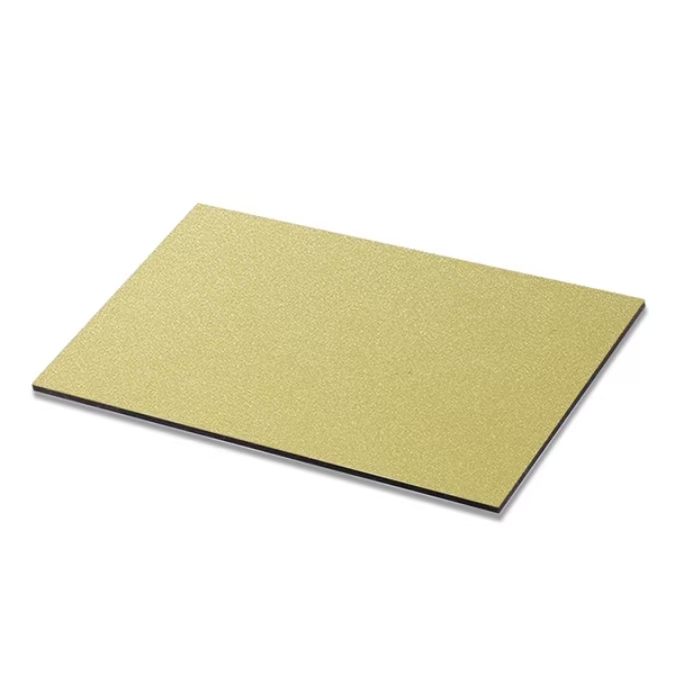
Specification | |
Product Name | Wooden aluminum composite panel |
Width | 1220mm, 1250mm, 1500mm |
Length | Any size, recommended 2440mm,3050mm, 4050mm |
Standard Size | 1220*2440mm (4’*8’), 1500mm*3050mm(5’*10’) |
Panel Thickness | 2mm-6mm, recommended 3mm, 4mm |
Alu Skin Thickness | 0.1mm-0.5mm, recommended 0.15mm, 0.21mm,0.30mm |
Aluminum Alloy | AA1100 |
Core Material | Non-toxic low-density polyethylene (LDPE) |
Coating | PE/PVDF |
Warranty | 10-20 years |
Color | RAL, PANTONE color chart, or customers’requirement |
Deliver Time | 20-30 days after receiving the deposit |
Packing | FCL, in bulk, LCL, wooden package, or according to the customers’ request |
Product Advantage | 1. Lightweight and durable 2. Superior weather resistance 3. Excellent fireproof property 4. Excellent surface flatness 5. Easy to process 6. Easy to maintain 7. Superior peeling strength |
PVDF Aluminum Composite Panels: The Industry Standard for High-Performance Architectural Cladding
Introduction: Defining the Benchmark for Durability
PVDF aluminum composite panels (ACPs) are recognized globally as the premium choice for durable, long-lasting building facades and architectural elements. The term "PVDF" refers to the Polyvinylidene Fluoride resin-based coating applied to the aluminum skins, a critical specification that distinguishes high-performance panels from lower-grade alternatives. This article provides a comprehensive technical guide to PVDF ACPs, detailing their composition, performance advantages, testing standards, and professional specification criteria.
What is a PVDF Aluminum Composite Panel?
A PVDF ACP is a sandwich panel consisting of two aluminum sheets bonded to a thermoplastic or fire-resistant core, where the exterior aluminum surfaces are coated with a paint system containing a minimum of 70% PVDF resin in the finish layer. This fluoropolymer coating is responsible for the panel's exceptional weatherability and chemical resistance.
Core Construction & Standard Specifications
- Aluminum Skins: Typically 0.2mm to 0.5mm thick (3003, 5005 alloys)
- Core Materials: Available in polyethylene (PE), fire-retardant (FR), or non-combustible mineral (A2) options
- Standard Thickness: 3mm, 4mm (most common), 6mm
- Panel Dimensions: 1220mm/1500mm width; lengths up to 5800mm
- PVDF Coating Thickness: Minimum 25 microns (standard), up to 35 microns for enhanced applications
The Science Behind PVDF Performance: Why It Excels
Molecular Structure Advantages
PVDF's molecular structure features a strong carbon-fluorine bond, one of the most stable in organic chemistry. This provides inherent resistance to:
- UV Radiation: Minimal photo-oxidative degradation
- Chemical Attack: Resistance to acids, alkalis, and industrial pollutants
- Temperature Extremes: Stable performance from -40°C to +120°C
- Moisture Penetration: Low surface energy prevents water absorption
Coating Architecture
A high-quality PVDF coating system consists of multiple layers:
1. Pretreatment: Chromate or chrome-free conversion coating for adhesion
2. Primer: Epoxy or polyurethane base for corrosion protection
3. Color Layer: PVDF resin with inorganic ceramic pigments (70%+ PVDF content)
4. Clear Topcoat (optional): Additional PVDF layer for enhanced protection
Key Performance Advantages for Architectural Applications
1. Superior Weathering Resistance & Color Retention
- 25-30 Year Warranties: Industry-standard for color fade (ΔE ≤5) and chalk resistance
- Gloss Retention: Maintains >85% of original gloss after 10+ years exposure
- Test Performance: Consistently exceeds 10,000 hours in QUV accelerated weathering tests (ASTM G154)
2. Exceptional Chemical & Pollution Resistance
- Withstands urban pollution, industrial atmospheres, and coastal marine environments
- Resists staining from oils, greases, and common chemicals
- Easy cleaning with mild detergents without damaging the finish
3. Mechanical Durability & Flexibility
- Impact Resistance: Withstands fabrication processes including bending, cutting, and routing
- Adhesion: Excellent inter-coat adhesion prevents delamination (ASTM D3359 Cross-Hatch Test)
- Formability: Can be cold-bent to radii as tight as 25t (where t = panel thickness)
4. Aesthetic Versatility & Consistency
- Available in virtually unlimited colors (metallic, solid, pearlescent, mirror)
- Matte, gloss, and textured finish options
- Superior batch-to-batch color consistency for large projects
Industry Standards & Certification Requirements
Critical Testing Protocols
- AAMA 2605: Voluntary Specification for High Performance Organic Coatings on Aluminum Extrusions and Panels
- Minimum 70% PVDF resin in finish coat
- 10-year warranty against 5 ΔE color change
- Specific requirements for chalk resistance, humidity, and chemical resistance
- QUALICOAT/QUALANOD: European quality label certification
- ISO 12944: Corrosion protection in atmospheres
Fire Performance Considerations
Important: PVDF refers only to the coating. Fire performance depends on the core:
- PE Core: Combustible - restricted applications
- FR Core: Fire-retardant - improved performance
- A2 Core: Non-combustible - premium fire safety
Always specify both coating type AND core material for complete performance.
Technical Comparison: PVDF vs. Alternative Coatings
Property | PVDF (70%+) | Polyester (PE) | Nano-Enhanced PVDF | Anodized |
Warranty Period | 20-30 years | 5-10 years | 25-30+ years | 10-25 years |
Color Options | Unlimited | Limited | Unlimited | Limited |
Chalk Resistance | Excellent | Good | Superior | Excellent |
Chemical Resistance | Excellent | Fair | Superior | Variable |
Cost Profile | Premium | Economy | Premium+ | High |
UV Resistance | Excellent | Moderate | Superior | Excellent |
Professional Specification Guidelines
Mandatory Documentation Requirements
1. Coating Certification: Proof of AAMA 2605 compliance or equivalent
2. PVDF Resin Content: Manufacturer's declaration of ≥70% PVDF in finish coat
3. Warranty Documents: Detailed terms for color retention, chalk resistance, and adhesion
4. Test Reports: QUV weathering, color measurement (CIELab), and mechanical performance
5. Fire Test Data: Core-specific certification (EN 13501-1, ASTM E84)
Sample Evaluation Protocol
- Request actual production samples, not just color chips
- Evaluate under different lighting conditions (north light, direct sun, artificial)
- Test cleanability with common markers or stains
- Verify batch consistency with multiple samples
Installation & Maintenance Best Practices
Fabrication Considerations
- Maintain protective film during fabrication
- Use sharp, clean tools to prevent coating damage
- Follow the manufacturer's recommended bending radii
- Store panels flat in dry, covered conditions
Maintenance Requirements
- Cleaning Frequency: Typically every 2-3 years in normal environments
- Cleaning Methods: Low-pressure water wash with mild detergent (pH 7-9)
- Avoid: Abrasive cleaners, high-pressure washing (<1000 psi), solvents
Sustainability & Environmental Profile
Green Building Contributions
- Long Service Life: Reduces replacement frequency and associated waste
- Recyclability: Aluminum components are 100% recyclable
- Low VOC: Most PVDF coatings meet stringent VOC regulations
- LEED/BREEAM: Can contribute to multiple credit categories, including Materials, Durability, and Recycled Content
Common Applications for PVDF ACPs
Primary Use Cases
1. High-Rise Building Facades: Corporate towers, residential complexes
2. Institutional Buildings: Universities, hospitals, government facilities
3. Retail & Commercial: Shopping centers, storefronts, office buildings
4. Transportation Hubs: Airports, train stations, bus terminals
5. Renovation Projects: Over-cladding existing structures for energy and aesthetic upgrades
Industry Trends & Future Developments
Evolving Standards
- Increased emphasis on chrome-free pretreatment for environmental compliance
- Development of higher-solids coatings with improved application efficiency
- Integration of self-cleaning and anti-microbial properties in advanced formulations
Market Direction
- Growing demand for dark colors with guaranteed fade resistance
- Increased specification of A2 fire-rated cores with PVDF coating
- Expansion of digital printing capabilities on PVDF-coated substrates
Conclusion: The Professional's Choice for Long-Term Performance
PVDF aluminum composite panels represent the proven standard for architectural applications where long-term performance, aesthetic retention, and durability are paramount. The 70%+ PVDF resin content specification ensures a level of quality that has been validated through decades of real-world exposure across global climate conditions.
When specifying PVDF ACPs, professionals must verify both the coating certification and the core material's fire performance to ensure complete compliance with project requirements and local building codes. While representing a higher initial investment than polyester-coated alternatives, PVDF ACPs deliver superior lifecycle value through extended service life, reduced maintenance, and enduring aesthetic appeal.
For projects where appearance must endure for decades without degradation, PVDF-coated aluminum composite panels remain the definitive technical solution in the architect's material palette.






