Welcome to Vbond
Emerging Markets with High Demand for Aluminum Composite Panels
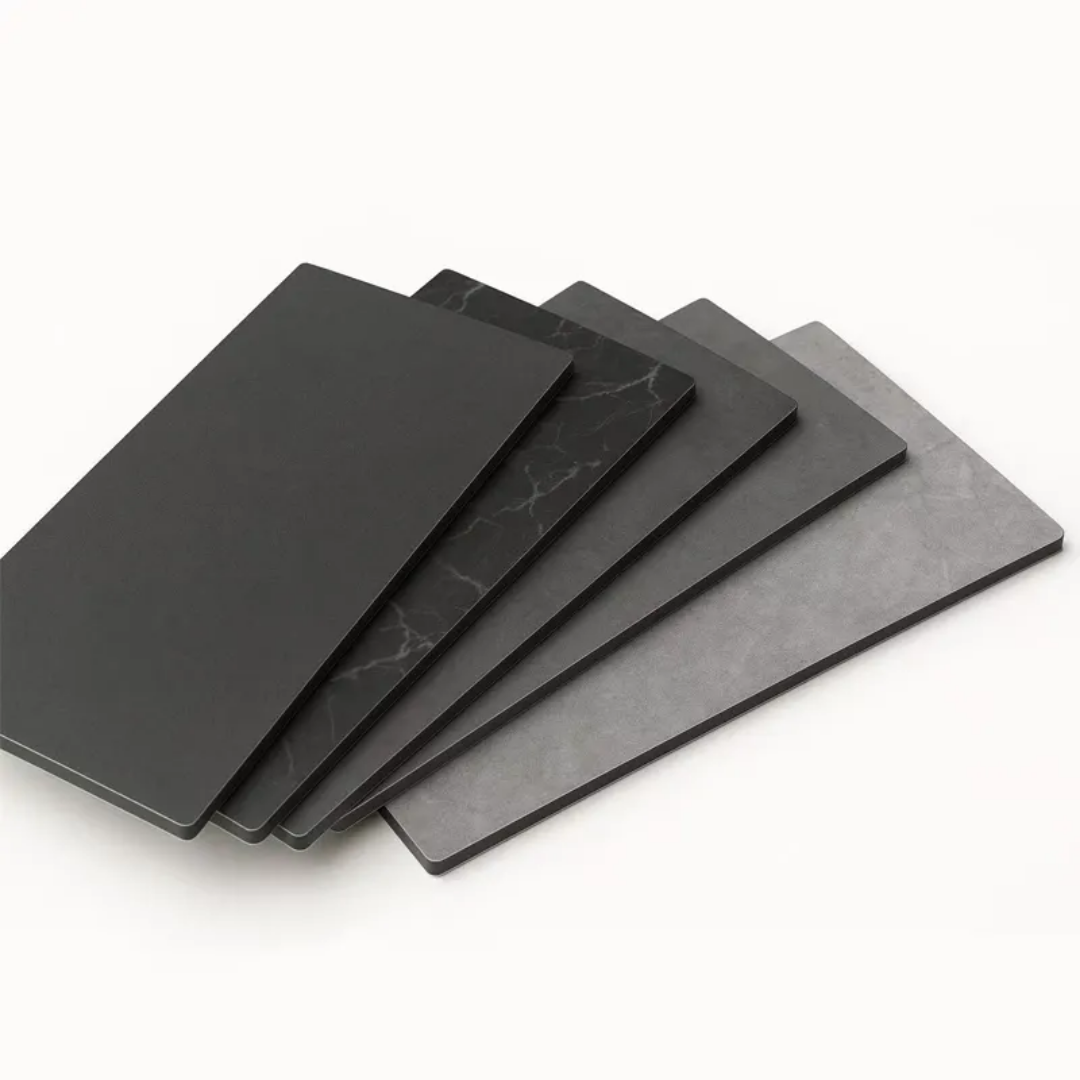
For procurement professionals navigating the global aluminum composite panel (ACP) market, the story is no longer solely about China’s manufacturing dominance. While China remains the world’s largest producer, the most compelling growth opportunities are shifting toward emerging economies where rapid urbanization, infrastructure investment, and regulatory tightening are fueling unprecedented demand for modern cladding materials.
The global ACP market is projected to grow from USD 7.39 billion in 2026 to USD 10.02 billion by 2030, representing a CAGR of 7.9%. However, these global averages mask dramatic regional variations. While mature markets in North America and Europe experience moderate growth—or in some cases, contraction—emerging markets across the Middle East, South Asia, Southeast Asia, Africa, and Latin America are growing at rates that far exceed global averages.
For procurement professionals, understanding these regional dynamics is essential for strategic sourcing, supply chain diversification, and capturing growth opportunities. This article provides a comprehensive analysis of the most promising emerging markets for aluminum composite panels, the drivers behind their growth, and actionable strategies for procurement.
1. India: The Fastest-Growing Major Market
India stands out as perhaps the most dynamic emerging market for aluminum composite panels. The Indian aluminum composite panels market generated revenue of USD 221.5 million in 2024 and is expected to reach USD 394.4 million by 2030, growing at a CAGR of 10.1% from 2025 to 2030. More dramatically, the industry demonstrated a compound annual growth rate of 47.45% from 2020 to 2024, with a remarkable growth spike of 98.87% in 2023-24 alone.
Key Drivers:
- Rapid urbanization: India‘s rapidly expanding urban landscape is driving a shift toward aluminum composite sheets across commercial buildings, infrastructure projects, and high-rise housing developments.
- Construction boom: Residential and commercial construction has surged, with demand for lightweight, durable, and aesthetically versatile cladding materials rising correspondingly.
- Sustainability focus: The Indian Green Building Council (IGBC) and increasing environmental awareness have accelerated the adoption of ACPs for their thermal insulation, acoustic performance, and durability.
- Supply chain dynamics: While premium brands like Alucobond remain benchmarks, cost-effective alternatives from Chinese manufacturers now dominate supply channels into India, creating competitive pricing for procurement professionals.
Procurement Note: India’s market is characterized by extreme price sensitivity balanced against growing demand for fire-rated and premium finishes. Buyers should verify fire rating certifications and coating quality, as lower-tier products are common in this market.
2. Middle East: Mega-Projects and Fire Safety Regulation
The Gulf Cooperation Council (GCC) aluminum composite panels market is valued at USD 1.2 billion, driven by a construction boom, urbanization, and increasing demand for lightweight, durable building materials. The UAE market alone is projected to grow at 7.2% CAGR through 2030, reaching USD 1.5 billion. The broader Middle East and Africa region is anticipated to grow at more than 7.72% CAGR from 2025 to 2030.
Key Drivers:
- Mega-projects: Saudi Arabia‘s NEOM, the Red Sea Project, and Qiddiya—groundbreaking initiatives emphasizing innovative urban planning and sustainable practices—are integrating ACPs extensively. Major infrastructure projects in the UAE and ambitious building initiatives in Egypt are also driving demand.
- Fire safety regulation: Following high-profile fires, the UAE Civil Defence has mandated A2 non-combustible panels on all new buildings over 15 meters tall. In response, Danube Group recently opened the region‘s first A2 aluminum composite panel factory, producing non-combustible panels adhering to the new fire code.
- Vision 2030: Saudi Arabia’s transformative economic diversification plan has elevated demand for high-performance architectural materials, with ACPs becoming a cornerstone in modern façade design.
- Aesthetic demand: Dubai‘s iconic skyline continues to drive demand for innovative, visually striking cladding solutions.
Procurement Note: Fire-rated A2 panels are mandatory for most high-rise applications. Buyers should require third-party test certifications and verify compliance with UAE Fire and Life Safety Code or the Saudi Building Code. GCC conformity marking (G-Mark) certification is required for products sold across member states.
3. Southeast Asia: Infrastructure-Driven Growth
Southeast Asia is emerging as a significant growth frontier for ACPs. The Asia-Pacific aluminum composite panels market generated USD 2,639.7 million in 2024 and is expected to grow at 7.9% CAGR through 2030. Rapid urbanization and industrialization in countries such as Indonesia and Vietnam are driving demand for efficient, cost-effective, and energy-saving building materials.
Key Drivers:
- Infrastructure boom: Vietnam, Indonesia, the Philippines, and other countries are vigorously promoting the construction of transportation hubs, commercial complexes, and public facilities. New airport and transportation hub interiors are significant application areas.
- Manufacturing relocation: As global supply chains diversify away from China, Southeast Asian countries are experiencing industrial construction growth, creating demand for ACPs in factory and warehouse cladding.
- Tourism-driven construction: Hospitality and retail development across Thailand, Vietnam, and Indonesia requires premium cladding finishes for brand differentiation.
Procurement Note: The Southeast Asian market is increasingly sophisticated, with buyers demanding both fire-rated products and high-durability PVDF coatings. Import duties and logistics infrastructure vary significantly by country, requiring localized supply chain planning.
4. Africa: The Next Frontier
Africa represents a nascent but rapidly growing market for aluminum composite panels. The Middle East and Africa region has been experiencing a construction boom with large-scale projects, including ambitious building initiatives in Egypt and other African nations.
Key Drivers:
- Infrastructure development: Ethiopia has emerged as a notable market, with over 75% of new commercial buildings using ACP cladding and government infrastructure projects specifying ACPs for durability. Local contractors confirm that “demand exceeds quality supplier capacity”.
- Urbanization: Rapid urban growth across Nigeria, Kenya, and other major economies is driving commercial and residential construction.
- Foreign investment: Chinese Belt and Road Initiative projects across the continent have introduced ACPs as a standard cladding material for new infrastructure.
- Microstate opportunities: Even Africa’s smallest nations—with populations under 1 million—are quietly emerging as high-potential markets, offering streamlined logistics and concentrated urban demand.
Procurement Note: The African market is characterized by fragmented supply chains and reliance on imports. Buyers should verify local import regulations, duties, and certification requirements. Quality consistency remains a concern; partnering with established suppliers with regional distribution networks reduces risk.
5. Latin America: Steady Growth in a Complex Landscape
Latin America’s metal cladding systems market was valued at USD 987 million in 2024 and is projected to grow to USD 1.56 billion by 2032. Use of aluminum composite panels in modern architectural projects is growing at approximately 9% annually across the region.
Key Drivers:
- Modernization of building stock: Across Brazil, Mexico, Argentina, and Colombia, the construction industry is increasingly focused on cost-effective and durable materials, driving steady demand for ACPs.
- Sustainable construction: Brazil, Mexico, and Chile are leading the adoption of modular green roof technologies and lightweight building materials, including ACPs.
- Resilient local production: Alucomaxx, a pioneer in ACM panel manufacturing in Brazil, demonstrates that local production capacity is developing alongside import demand.
- MERCOSUR integration: The MERCOSUR aluminum composite panels market is a critical segment within the region’s broader construction and industrial materials sector, with demand fundamentally derived from construction and industrial activity.
Procurement Note: The Latin American market faces currency volatility and complex import regulations. Buyers should consider local stockists and distributors to mitigate supply chain risk. PVDF-coated panels are preferred for exterior applications due to high UV exposure across much of the continent.
6. What Procurement Professionals Need to Know
Regional Growth at a Glance
Region | Market Size | CAGR | Key Drivers |
India | USD 221.5M (2024) → USD 394.4M (2030) | 10.1% | Urbanization, cost-sensitive demand |
GCC | USD 1.2B | 7.2–7.7% | Mega-projects, fire safety regulation |
Asia-Pacific | USD 2.64B (2024) | 7.9% | Infrastructure, manufacturing relocation |
Africa | Rapidly growing | — | Belt and Road infrastructure, urbanization |
Latin America | USD 987M (2024) → USD 1.56B (2032) | ~5–9% | Building modernization, green construction |
Critical Considerations for Emerging Market Procurement
1. Fire Safety Regulation is the Universal Driver
Across virtually all emerging markets, tightening building codes are mandating fire-rated ACPs. The UAE requires A2 panels for buildings over 15 meters; India and Southeast Asian countries are following similar trajectories. Procurement professionals should prioritize A2 and B1 certified panels even where local codes may not yet require them.
2. Certification and Compliance Vary by Market
Each emerging market has distinct certification requirements:
- GCC: G-Mark certification required for free movement across member states
- UAE: Civil Defense approval and NFPA 285 testing for high-rise facades
- India: BIS certification increasingly required for imported building materials
- Africa: Varies by country; local testing and approvals may be required
3. Logistics and Lead Times Require Planning
Emerging markets often have less developed port infrastructure, customs processes, and inland transportation networks. Procurement professionals should build in longer lead time buffers and consider maintaining regional safety stock for critical projects.
4. Price Sensitivity vs. Quality Demands
While emerging markets are generally more price-sensitive than mature markets, the demand for premium products—PVDF coatings, A2 fire ratings, custom colors—is growing rapidly as local construction standards rise. Buyers who can offer quality differentiation alongside competitive pricing will capture market share.
5. Local Partnerships Mitigate Risk
Establishing relationships with local distributors, stockists, or fabrication partners reduces supply chain risk, navigates regulatory complexity, and provides after-sales support. Many emerging markets value long-term partnerships over transactional relationships.
7. The Global Outlook: Why Emerging Markets Will Drive the Next Decade
The global aluminum composite panels market is projected to reach USD 10.02 billion by 2030, with the Asia-Pacific region leading growth. Several structural trends underpin this expansion:
Urbanization: The United Nations projects that 68% of the world‘s population will live in urban areas by 2050, with most growth occurring in Asia and Africa. This urban transformation will drive sustained demand for cladding materials across residential, commercial, and infrastructure sectors.
Regulatory Convergence: As emerging markets adopt building codes modeled on international standards (IBC, Eurocode, NFPA), demand for fire-rated and energy-efficient cladding will accelerate. This regulatory convergence simplifies product specification for international procurement professionals.
Supply Chain Diversification: Global manufacturers are increasingly establishing production facilities in emerging markets to serve local demand and reduce logistics costs. This trend creates new sourcing options for procurement professionals and reduces reliance on single-origin supply.
Sustainability Mandates: Green building certifications (LEED, BREEAM, IGBC) are gaining traction across emerging economies, driving demand for ACPs with Environmental Product Declarations, recycled content, and low-VOC coatings.
8. Conclusion
The center of gravity in the aluminum composite panel market is shifting decisively toward emerging economies. India is growing at double-digit rates, the Middle East is transforming its skyline with mega-projects and fire-safe materials, Southeast Asia is building infrastructure at an unprecedented scale, Africa presents the next frontier, and Latin America offers steady, resilient growth.
For procurement professionals, these markets present both opportunity and complexity. Success requires understanding local regulatory landscapes, building reliable supply chains, balancing price sensitivity with quality demands, and establishing trusted local partnerships.
The emerging markets are not merely growth stories—they are the future of the aluminum composite panel industry. Procurement professionals who invest in understanding and serving these markets today will be positioned to lead the industry tomorrow.