Welcome to Vbond
How Digitalization is Changing Aluminum Composite Panel Supply Chains
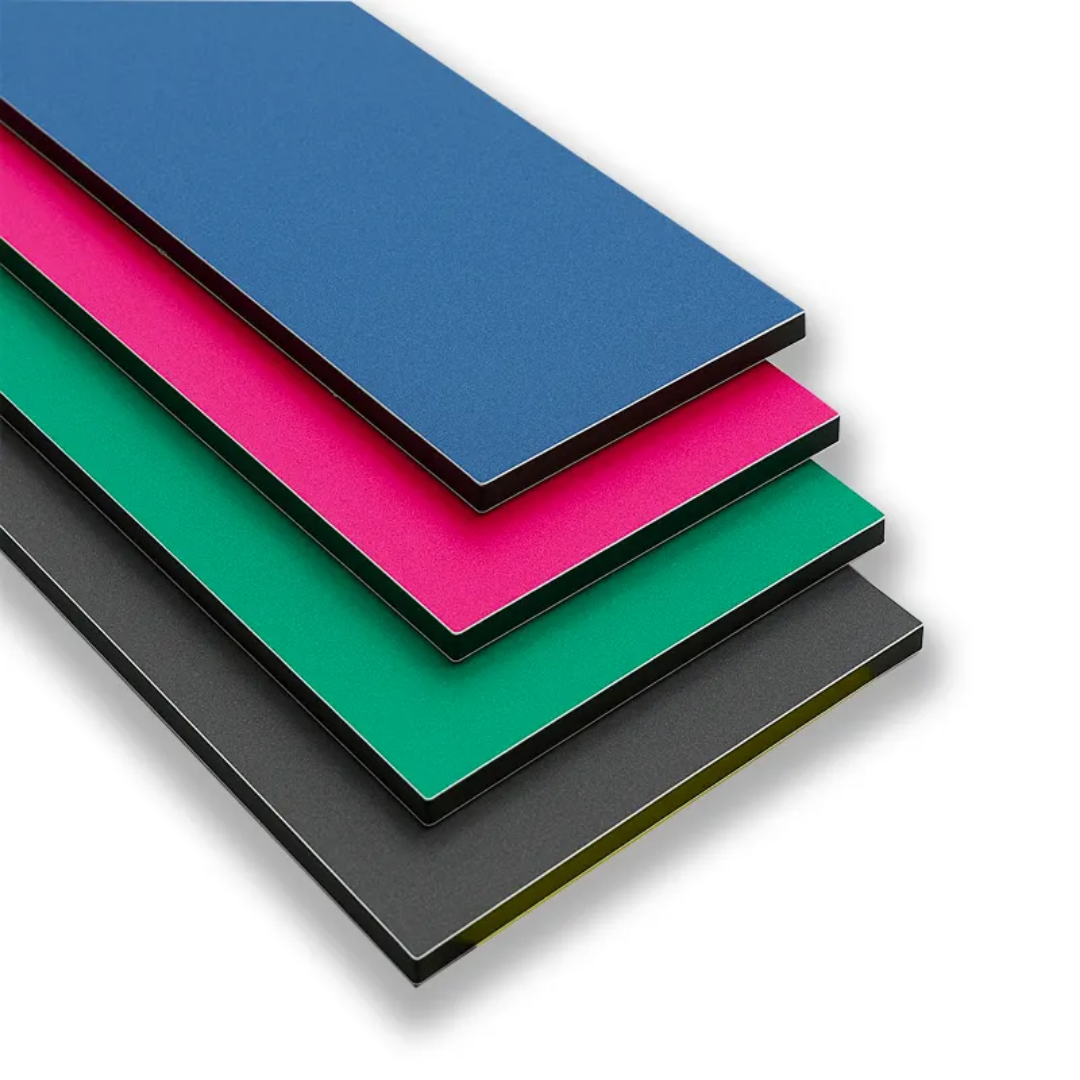
For procurement professionals, the global aluminum composite panel (ACP) supply chain has long been characterized by opacity, fragmentation, and inefficiency. Sourcing required endless email chains with overseas suppliers, manual comparison of quotes, unpredictable lead times, and limited visibility once containers left the factory. The result was higher costs, longer project timelines, and constant firefighting to keep facades on schedule.
Digitalization is fundamentally changing that reality. Across the ACP industry, technologies including AI-powered procurement platforms, IoT-enabled factory monitoring, blockchain traceability, and digital twin simulation are transforming how panels are sourced, manufactured, tracked, and delivered. For buyers who understand and leverage these tools, the benefits are substantial: reduced procurement costs, shorter lead times, greater supply chain visibility, and enhanced ability to verify product quality and compliance.
This article examines how digitalization is reshaping ACP supply chains, providing procurement professionals with actionable insights to navigate this evolving landscape.
1. The Traditional ACP Supply Chain: A Legacy of Inefficiency
The conventional ACP procurement process was defined by friction at every stage. Buyers relied on fragmented supplier discovery through trade shows, agent networks, or limited online directories, making supplier evaluation time-consuming and often reliant on incomplete information. Sourcing typically involved manually requesting quotes from multiple suppliers, comparing specifications across inconsistent formats, and negotiating via lengthy email chains.
Once orders were placed, buyers had limited visibility into production status, often relying on periodic updates from suppliers. Shipment tracking was similarly opaque, with limited ability to monitor container movements or anticipate delays. Quality verification required costly third-party inspections or trusting supplier claims without independent validation.
The result was a supply chain characterized by long lead times, high transaction costs, limited transparency, and significant risk of delays, quality issues, or compliance failures.
2. AI-Powered B2B Platforms: Transforming Supplier Discovery and Procurement
Perhaps the most visible manifestation of digitalization in ACP supply chains is the emergence of AI-powered B2B procurement platforms. These platforms are fundamentally changing how buyers discover, evaluate, and transact with suppliers.
Leading platforms such as Alibaba.com have introduced AI-powered communication tools, supplier verification systems, and automated comparison reports that dramatically streamline the sourcing process. At Manifest 2025, Alibaba.com unveiled new AI capabilities designed to transform the B2B sourcing experience, enabling faster supplier matching and more efficient transaction management.
The impact on procurement efficiency has been substantial. According to the 2026 Building Materials Industry Digital Transformation White Paper, companies that deploy professional B2B systems achieve average procurement cost reductions of 12%, order processing efficiency improvements of 40%, and customer response time acceleration of 60%. For ACP procurement specifically, digital platforms have enabled buyers to compare technical specifications—including fire ratings (A2, B1, B2), coating types (PVDF vs. polyester), core compositions, and dimensional tolerances—across multiple suppliers simultaneously, reducing sourcing cycles from weeks to days.
In one documented example, a digital procurement platform provided one-stop construction material procurement services to over 500 companies across 150 cities in five countries and regions, with ongoing platform upgrades enhancing search, supplier recruitment, and price comparison features.
The integration of AI into these platforms is accelerating. By 2026, AI is expected to fully penetrate all aspects of transaction decision-making, creating an intelligent closed loop from demand identification to risk control. Intelligent demand matching, powered by natural language processing (NLP), can now parse procurement descriptions for specific parameters such as "high temperature resistance" or "corrosion resistance," enabling precise supplier-to-buyer matching. This capability is particularly valuable for ACP procurement, where technical specifications vary significantly across applications.
Real-time market intelligence platforms have further transformed procurement. Field Materials' Pricing Intelligence module provides contractors with a real-time dashboard of up-to-date prices for all materials and equipment, enabling data-driven purchasing decisions rather than reliance on static quotes.
3. AI-Driven Supply Chain Optimization: From Reactive to Predictive
Beyond procurement platforms, AI is transforming the operational core of ACP supply chains. AI-driven supply chain analytics enable smarter inventory management, reducing downtime and improving production cycles. For ACP manufacturers and distributors, this means moving from reactive inventory management—ordering based on historical patterns or ad-hoc requests—to predictive optimization that anticipates demand fluctuations.
Predictive analytics is a game-changer for procurement. AI-driven forecasting can predict market trends, manage supply chains more effectively, and identify potential maintenance needs for installed panels, extending product life cycles and enhancing customer satisfaction. For buyers, this translates into more reliable lead times, reduced risk of stockouts, and better alignment between material deliveries and construction schedules.
Predictive maintenance represents another frontier. AI-powered agents can now anticipate parts demand, assess supplier lead times, and help prevent both stock-outs and excess inventory. In the aluminum industry more broadly, predictive maintenance via AI has been shown to reduce downtime in rolling mills by 30%. For ACP production facilities, this means fewer unplanned shutdowns and more consistent production schedules, directly benefiting buyers who rely on timely delivery.
The impact extends to cost management as well. AI optimization of aluminum industry operations has achieved energy cost reductions of 10–15%, savings that can potentially be passed down the supply chain to ACP buyers. For procurement professionals negotiating with suppliers, understanding which manufacturers have invested in AI-driven production optimization can inform supplier selection and price negotiations.
4. Smart Manufacturing and Real-Time Production Visibility
Digitalization is transforming ACP manufacturing from the factory floor upward. China's Aluminum Industry High-Quality Development Implementation Plan (2025–2027) explicitly calls for the construction of many digital transformation benchmark factories by 2027, with an aluminum industry chain collaboration efficiency improvement target exceeding 30%.
Real-world examples of this transformation are already visible. Leading ACP manufacturers are implementing end-to-end digital systems that provide customers with real-time visibility into production status. In one documented case, a manufacturer serving a major logistics hub project enabled customers to place orders online and track everything from design drawings to production progress, material traceability, and shipping information through a dedicated mobile application. Each panel was assigned a unique QR code, enabling full traceability throughout the supply chain.
The results are measurable. Manufacturers implementing digital transformation have reduced product delivery cycles by 20%. Industry projections indicate that by 2026, investment in smart manufacturing upgrades across the composites industry will increase by 50%, with leading companies aiming for "customized orders completed and delivered within 72 hours"—a dramatic reduction from traditional lead times that often exceeded four weeks.
For procurement professionals, this means that supplier digital maturity is becoming a legitimate vendor selection criterion. Suppliers with real-time production visibility, automated quality control systems, and integrated logistics platforms offer greater reliability and transparency than those still operating with manual processes.
5. Digital Traceability and Compliance: Blockchain and Material Passports
One of the most significant challenges in ACP procurement has been verifying product claims—particularly fire ratings, coating specifications, and supply chain ethics. Digitalization is providing solutions through blockchain-based traceability and digital material passports.
In 2026, blockchain traceability systems will enable ACP manufacturers to provide digital passports for each square meter of panel, allowing buyers to query raw material sources and carbon footprint data. This capability is increasingly important as sustainability regulations tighten and green building certifications require documented evidence of material provenance and environmental impact.
The European Union's Digital Product Passport (DPP) initiative, scheduled for launch around July 19, 2026, represents a major regulatory driver for supply chain digitalization. Each product receives a unique identifier linked via QR code, NFC, or RFID, with scans revealing verified sourcing and production history. For ACP suppliers exporting to European markets, compliance with DPP requirements will be mandatory, fundamentally changing how product information is documented and shared across the supply chain.
Blockchain is also critical for verifying responsible sourcing through frameworks such as the Aluminium Stewardship Initiative (ASI). Data trustworthiness is the core prerequisite for ASI Chain of Custody implementation, requiring traceable, verifiable, and tamper-proof data across the entire aluminum value chain. Blockchain technology, with its decentralized architecture, provides the infrastructure for achieving this level of data integrity.
For procurement professionals, the implication is clear: suppliers that can provide blockchain-verified traceability and digital material passports offer greater assurance of compliance and lower risk of counterfeit or non-compliant materials. As one industry observer notes, these technologies are providing "a powerful new layer of material intelligence" that turns physical items into data-rich digital assets.
6. The Internet of Facades: Digital Twins and Smart Panels
Looking further ahead, digitalization is extending beyond the supply chain to the panels themselves. The concept of the "Digital Twin and Internet of Facades (IoF)" envisions each panel equipped with a QR code or RFID tag, enabling real-time monitoring of panel performance, maintenance needs, and lifecycle status.
In this emerging paradigm, the Aluminum Composite Panel is evolving from a static component into an adaptive, multifunctional, and digitally integrated building skin. Digital twins enable simulation of material performance under real-world conditions before capital is committed, dramatically reducing redesigns and change orders. For procurement professionals, this means the ability to specify not just panel dimensions and coatings, but also digital capabilities that enable predictive maintenance, performance optimization, and lifecycle tracking.
While still emerging, these technologies are already influencing how forward-thinking specifiers evaluate ACP suppliers. Manufacturers investing in digital integration capabilities—including AI collaborative design systems, carbon capture coating technologies, and modular recycling systems—are positioning themselves as partners in the intelligent building envelope revolution.
7. Regional Digitalization Trends and Their Impact on Procurement
Digitalization is not occurring uniformly across the ACP supply chain. Understanding regional differences helps procurement professionals make informed sourcing decisions.
China remains the dominant force in ACP manufacturing, and Chinese digital transformation initiatives have direct implications for global buyers. Government policy explicitly supports digitalization of the aluminum industry, with targets for efficiency improvements exceeding 30% by 2027. Chinese ACP manufacturers are increasingly investing in smart factory technologies, AI-driven quality control, and integrated logistics platforms. For buyers sourcing from China, prioritizing suppliers with demonstrated digital maturity—including real-time production tracking and automated quality reporting—reduces supply chain risk.
North America is seeing rapid adoption of AI procurement platforms and supply chain intelligence tools. Trimble Materials launched an end-to-end purchasing, inventory, and accounts payable software solution in 2025, designed to help contractors gain control over material costs with enhanced budget and inventory tracking. Similarly, Kojo has introduced AI tool suites to help contractors combat rising material costs through streamlined procurement and supplier coordination.
Europe is leading in blockchain traceability and digital product passport requirements. The EU's DPP initiative will require ACP suppliers to provide comprehensive digital documentation of material provenance, carbon footprint, and compliance status, creating a new compliance baseline for all suppliers serving European markets.
8. Procurement Strategies for the Digital Era
For procurement professionals navigating this evolving landscape, several strategic implications emerge:
1. Prioritize Digitally Mature Suppliers. When evaluating ACP suppliers, assess their digital capabilities alongside traditional metrics like price, quality, and lead time. Suppliers with real-time production visibility, automated quality reporting, and integrated logistics platforms offer greater reliability and transparency.
2. Leverage AI-Powered Procurement Platforms. Adopt B2B platforms that offer AI-driven supplier matching, automated quote comparison, and real-time market intelligence. The documented benefits—12% cost reduction, 40% efficiency improvement—are too substantial to ignore.
3. Demand Digital Traceability. For projects requiring specific fire ratings, coating specifications, or sustainability certifications, require suppliers to provide blockchain-verified traceability or digital material passports. This documentation is increasingly essential for compliance and risk management.
4. Integrate Supply Chain Data with Project Management. Leading procurement organizations are integrating ACP supply chain data with construction management software, enabling real-time alignment between material deliveries and installation schedules. This integration reduces storage costs, minimizes damage from extended on-site storage, and improves cash flow through just-in-time delivery.
5. Monitor Regulatory Developments. The EU's Digital Product Passport requirements and similar initiatives in other markets will fundamentally change documentation requirements for ACP imports. Procurement professionals should monitor these developments and ensure suppliers are prepared to comply.
6. Use Data to Optimize Supplier Relationships. Digital platforms provide unprecedented visibility into supplier performance metrics—on-time delivery rates, quality consistency, and communication responsiveness. Use this data to inform supplier scorecards, contract negotiations, and strategic sourcing decisions.
9. Challenges and Considerations
Despite the clear benefits, digitalization of ACP supply chains is not without challenges. Data standardization remains a significant hurdle; different platforms use different data formats, making integration across systems difficult. Supplier digital maturity varies widely; while leading manufacturers have embraced digitalization, many smaller suppliers still operate with manual processes. Cybersecurity and data privacy concerns are increasingly relevant as supply chains become more digitally interconnected.
For procurement professionals, navigating these challenges requires balancing the benefits of digitalization against the risks. Supplier audits should assess not only production capabilities but also digital infrastructure, data security practices, and willingness to share real-time production data. Contracts should include provisions for data sharing, API integration, and cybersecurity standards.
10. The Future Outlook
The digitalization of ACP supply chains is accelerating, driven by converging forces: AI maturity, IoT proliferation, blockchain adoption, and regulatory mandates for digital traceability. The trends observed in 2025 and 2026 represent not a temporary shift but a fundamental restructuring of how ACPs are sourced, manufactured, and delivered.
Looking ahead, procurement professionals can expect:
- Fully integrated digital procurement ecosystems connecting buyers, suppliers, logistics providers, and installers in real-time
- AI-driven predictive supply chains that anticipate demand fluctuations and automatically adjust production schedules and inventory levels
- Blockchain-verified compliance as standard, with digital passports for every panel documenting fire ratings, carbon footprint, and supply chain ethics
- Digital twin integration enabling simulation of panel performance before production and predictive maintenance throughout the building lifecycle
Conclusion
Digitalization is fundamentally changing aluminum composite panel supply chains. AI-powered procurement platforms are reducing sourcing costs and accelerating supplier discovery. Smart manufacturing and IoT are providing real-time production visibility, reducing lead times and improving reliability. Blockchain traceability is enabling verification of product claims and supply chain ethics. Digital twins and smart panels are extending digitalization beyond the supply chain to the panels themselves.
For procurement professionals, the implications are clear. The traditional ACP supply chain—opaque, fragmented, and inefficient—is being replaced by a digitally integrated ecosystem characterized by transparency, speed, and data-driven decision-making. Buyers who embrace these tools and prioritize digitally mature suppliers will achieve lower costs, shorter lead times, and greater supply chain resilience. Those who do not risk being left behind.
The question is no longer whether digitalization will transform ACP supply chains, but how quickly procurement organizations will adapt to leverage its benefits.