Welcome to Vbond
Is ACP Right for Me? A Simple Decision Flowchart for Property Owners
Navigating the world of property ownership often involves deciphering confusing acronyms. Few are as versatile—and potentially misleading—as "ACP." For property owners, ACP can refer to three entirely distinct concepts: a government-run confidentiality program, a popular construction material, or a specific legal marital regime.
Making the wrong assumption about which ACP applies to you can lead to safety risks, costly building mistakes, or legal invalidation of a property sale.
This comprehensive guide provides a detailed decision flowchart and in-depth analysis to help you determine definitively if an ACP is right for your specific situation.
Understanding the Three Pillars of ACP in Property
Before we begin, it is vital to distinguish which "ACP" you are dealing with. We will refer to them by their primary application:
1. The Safety ACP (Address Confidentiality Program): A state-sponsored shield for survivors of violence and vulnerable public officials.
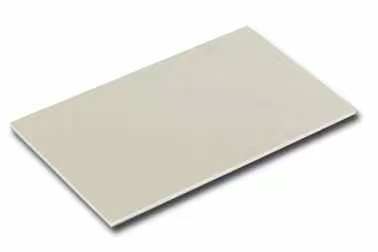
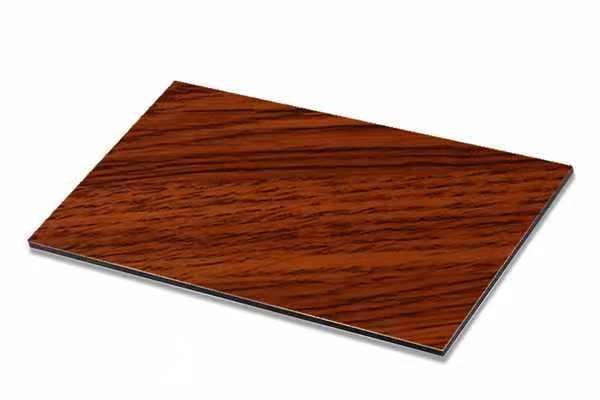
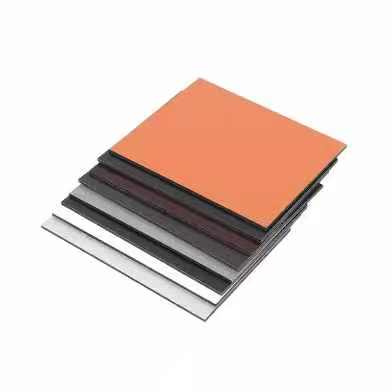
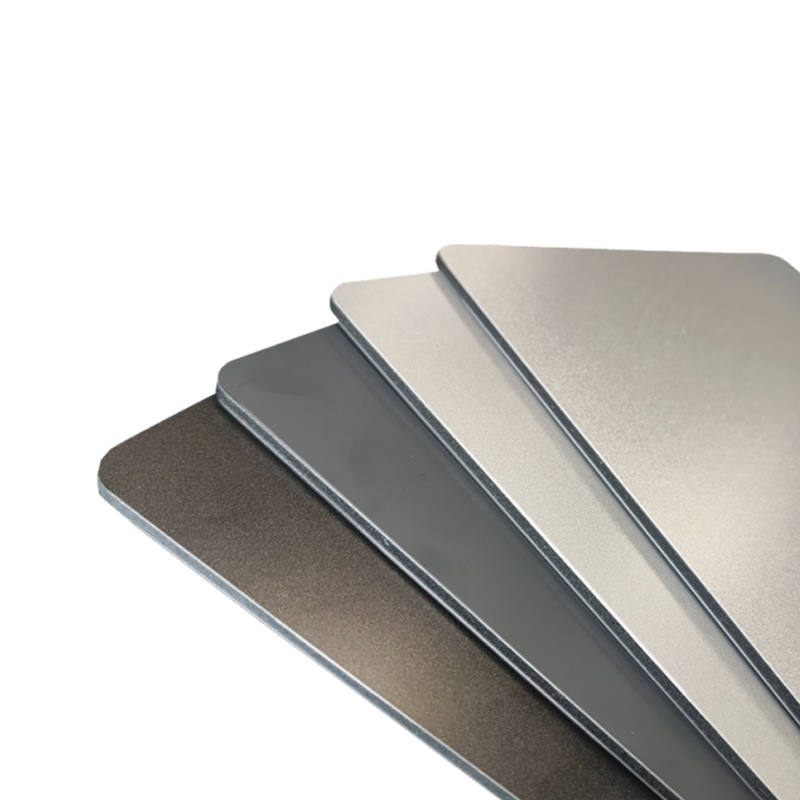
2. The Building ACP (Aluminium Composite Panels): A modern, high-performance cladding material used for exterior and interior facades.
3. The Marital ACP (Absolute Community of Property): A default property regime for married couples in specific legal jurisdictions.
Your journey begins by identifying your primary objective.
The Advanced ACP Decision Flowchart for Property Owner
Deep Dive: Analyzing Your ACP Path
Now that you have navigated the flowchart, let's explore the technical, legal, and financial details of your specific path.
Path A: The Address Confidentiality Program (ACP) – The Shield of Anonymity
This is a legislatively mandated program designed to create a legal barrier between a survivor of crime and their perpetrator. It is not a tool for general privacy, but a specific remedy for documented safety threats.
Who Qualifies for the Safety ACP?
Eligibility typically extends to:
- Survivors of Domestic Violence, Sexual Assault, Stalking, or Human Trafficking: Applicants usually need a protective order, a police report, or a certified affidavit from a victim service provider, a law enforcement official, or a medical professional who has treated the injuries resulting from the incident.
- Reproductive Health Service Providers, Employees, Volunteers, and Patients: In many states, these individuals are eligible if they have a fear for their safety due to their association with reproductive health services.
- Elected and Public Officials: Some states include judges, police officers, district attorneys, and other public servants who may be targeted due to their official duties.
The Mechanics of Property Ownership Under ACP
If you are a certified program participant, you are assigned a substitute address (often a P.O. Box managed by the Secretary of State's office). All first-class mail is forwarded to you from this address, keeping your physical address secret.
However, real estate transactions pose a unique challenge. A deed is a public document. You cannot list the substitute address on a deed, nor can you hide your name from the chain of title without using a separate legal entity.
The Standard Solution: The Revocable Living Trust
1. Creation: You establish a revocable living trust. You are the "grantor" and the "beneficiary."
2. Appointment: You appoint a trusted third party—often your attorney or a trusted family member—as the "trustee." This person's name and address will appear on public documents.
3. Acquisition: The trust purchases the property. The deed records the trustee's name and the trust's address (which can be your attorney's office), not your personal information.
4. Outcome: Your name is shielded from public property databases, preventing abusers from locating you through a simple online property search. This method is widely recommended by legal aid societies and the ACP offices themselves.
Path B: Aluminium Composite Panels (ACP) – The Building Envelope Solution
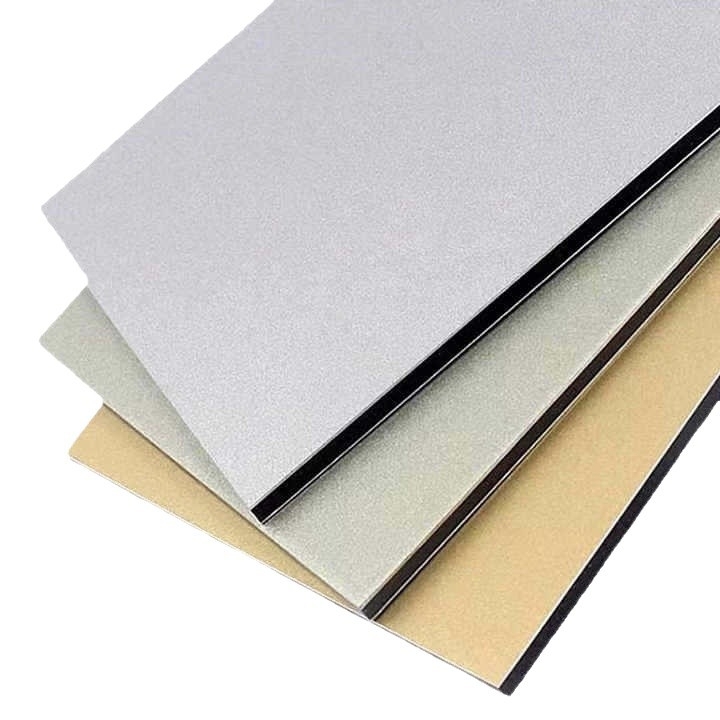
For property managers, developers, and homeowners, ACP is a ubiquitous term in the construction industry. It refers to a flat panel consisting of two pre-painted aluminum sheets bonded to a non-aluminum core.
Material Science: Why ACP Performs
- The Core: This is the most critical component.
- Polyethylene (PE) Core: Offers excellent flatness and is lightweight and cost-effective. However, it is highly combustible. Its use is increasingly banned or restricted on buildings above a certain height or with specific occupancies due to fire safety concerns.
- Fire-Retardant (FR) Core: Contains mineral-filled materials that inhibit combustion. These panels meet stricter fire safety standards (e.g., Class A or B-s1,d0 fire ratings) and are often mandatory for high-rise buildings, schools, and hospitals.
- Core Thickness: Panels typically range from 3mm to 6mm. Thicker panels offer greater rigidity and are used for larger spans or areas with high wind load.
- The Coating: The aluminum skin is coated for durability and aesthetics.
- PVDF (Polyvinylidene Fluoride): The industry standard for exterior use. It offers exceptional resistance to weathering, UV radiation, and chalking, ensuring color stability for decades.
- Polyester: A more economical option, often used for interior applications where UV exposure is minimal.
Is ACP Right for Your Building Project?
Yes, ACP is an excellent choice if you need:
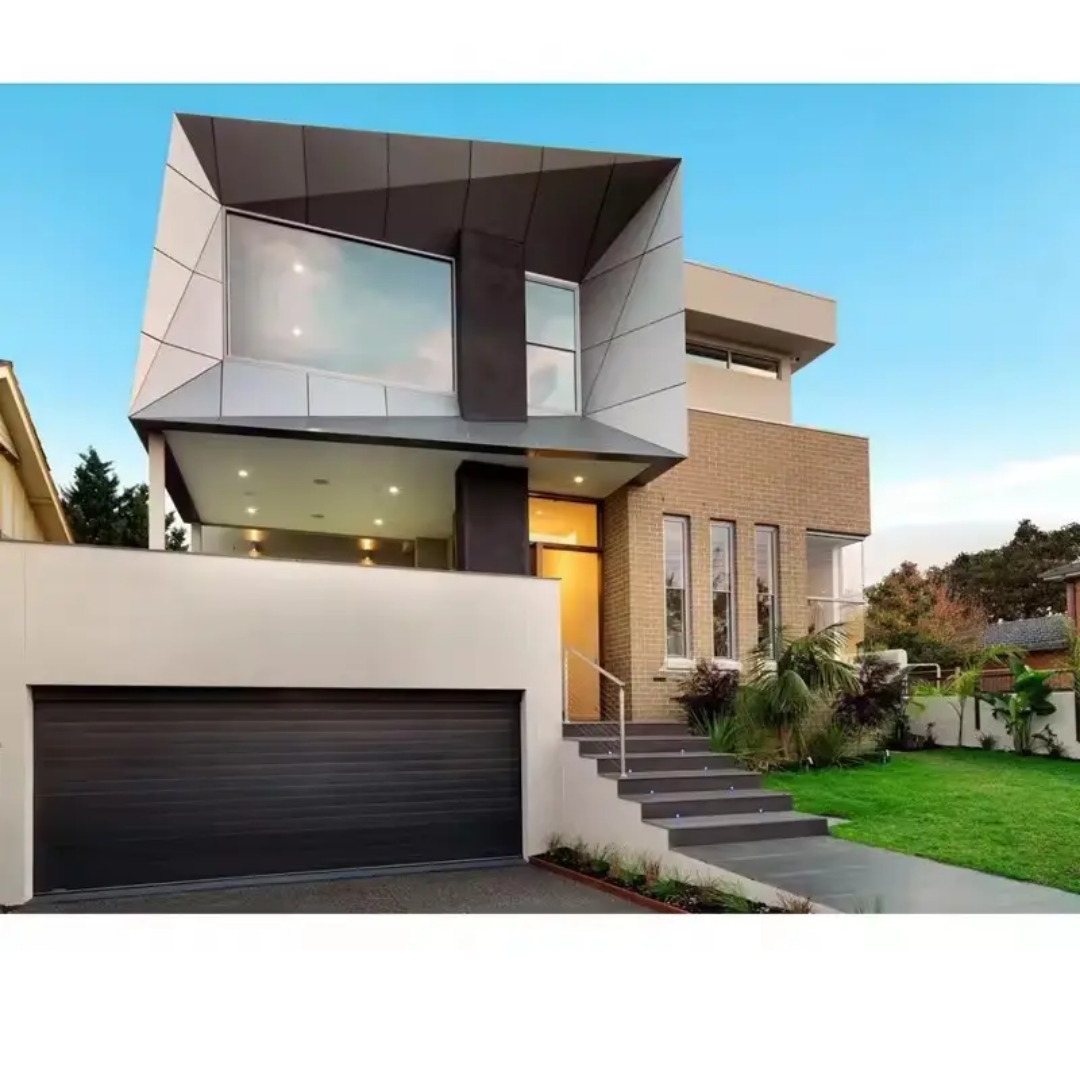
1. Design Flexibility: ACP can be curved, folded, and routed to create complex shapes, making it ideal for modern architectural features like curved facades, column cladding, and intricate signage.
2. Weight Reduction: ACP is significantly lighter than solid aluminum sheets, steel, or stone. This reduces the structural load on your building, potentially lowering foundation and framing costs.
3. Cost-Effectiveness: Compared to materials like solid metal, glass, or natural stone, ACP offers a superior aesthetic at a fraction of the cost.
4. Sustainability: Many ACP manufacturers produce panels with recyclable aluminum skins, contributing to green building certification points (e.g., LEED).
5. Thermal and Acoustic Insulation: The air gap created when installing ACP on a rainscreen system, combined with the core material, can improve a building's thermal efficiency and reduce noise transmission.
Key Considerations and Potential Pitfalls:
- Installation is Not DIY: ACP requires specific tools (CNC routers, folding machines) and expertise for cutting and fitting. Improper installation can lead to water ingress, panel deformation, or failure under wind load. Always use a certified facade contractor.
- Regulatory Compliance is Non-Negotiable: In the wake of high-profile fire incidents (e.g., Grenfell Tower), global building codes have become extremely strict regarding cladding materials. You must verify that the specific ACP product you choose has the correct fire test certification for your building's height, use, and location.
- Thermal Movement: Aluminum expands and contracts with temperature changes. Installation systems must account for this with proper expansion joints to prevent panel buckling.
Path C: Absolute Community of Property (ACP) – The Marital Asset Regime
This is a legal concept governing the property relations between spouses. It is not a choice you make for a specific property, but a regime that governs all your properties by default upon marriage, unless you contract out of it.
The Legal Framework: How It Operates
Under the Absolute Community of Property, the moment you marry, a "community" is formed. This community includes:
- All property owned by either spouse at the time of marriage.
- All property acquired during the marriage.
- All fruits, interests, and income from both community and separate property.
What Remains Separate?
Virtually nothing under a strict ACP regime. The only notable exception is property acquired by gratuitous title (inheritance or donation) during the marriage, provided the donor or testator explicitly stated that it is for the exclusive benefit of one spouse.
Implications for Property Owners
1. Presumption of Community: Any property bought during the marriage is presumed to be community property, even if the title or deed is in the name of only one spouse. This is a powerful legal presumption that is difficult to overturn.
2. Joint Administration is Mandatory: The law requires that the spouses jointly administer the community property. This means any act of ownership—selling, mortgaging, leasing for more than one year—requires the joint consent of both spouses, expressed in the same document.
3. Voidable Transactions: If one spouse sells a piece of community real estate without the other's consent, the sale is not just invalid; it is voidable. The deprived spouse has the right to file a court case to annul the sale within a specific prescriptive period.
4. Dissolution and Liquidation: The community property regime ends upon the death of a spouse, a declaration of nullity of marriage, legal separation, or judicial separation of property. Upon dissolution, the community assets are liquidated and divided equally between the spouses or their estates.
Navigating ACP: Practical Steps
- Before Buying: If you are married and in an ACP jurisdiction, ensure both signatures are on all purchase documents. Even if you are using "separate" funds from an inheritance, it is safest to document this clearly in the deed to avoid future presumption issues.
- Before Selling: Obtain the signature of your spouse on the deed of sale before notarization. If your spouse is abroad, a Special Power of Attorney (SPA) explicitly authorizing the sale is required.
- If You Are Separated: Mere physical separation does not end the ACP. You cannot sell property without your spouse's consent. You may need to file for a legal separation or a judicial separation of property to administer assets independently.
Conclusion: Your Definitive Answer to "Is ACP Right for Me?"
The question "Is ACP right for me?" can only be answered by understanding the context of your query.
- If you are escaping a violent situation, the Address Confidentiality Program, used in conjunction with a revocable living trust, is not just right—it is a vital tool for rebuilding your life in safety.
- If you are a property developer seeking a durable, beautiful, and cost-effective facade, Aluminium Composite Panels are likely an ideal material, provided you meticulously adhere to fire safety regulations and hire skilled installers.
- If you are married and planning a significant real estate transaction in a civil law jurisdiction, understanding that you are likely under the Absolute Community of Property regime is essential to ensure the legal validity of your deal and to protect your familial assets.
By using this guide and the accompanying flowchart, you can navigate the acronym "ACP" with confidence and take the appropriate next steps with your property, your safety, and your legal rights in mind.