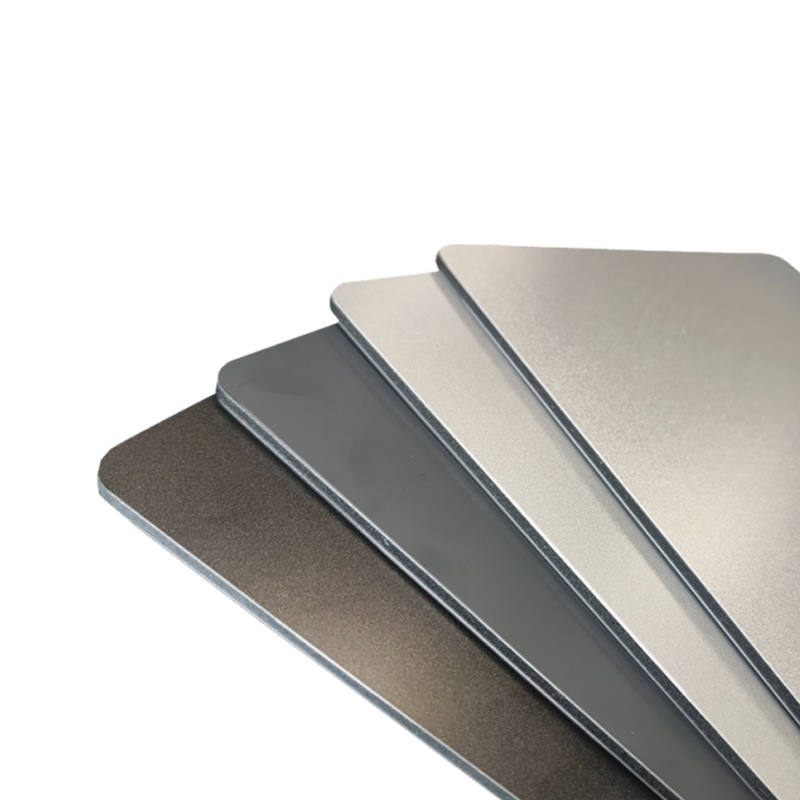
Welcome to Vbond
The Best Cleaning Practices to Maintain Aluminum Composite Panel Appearance
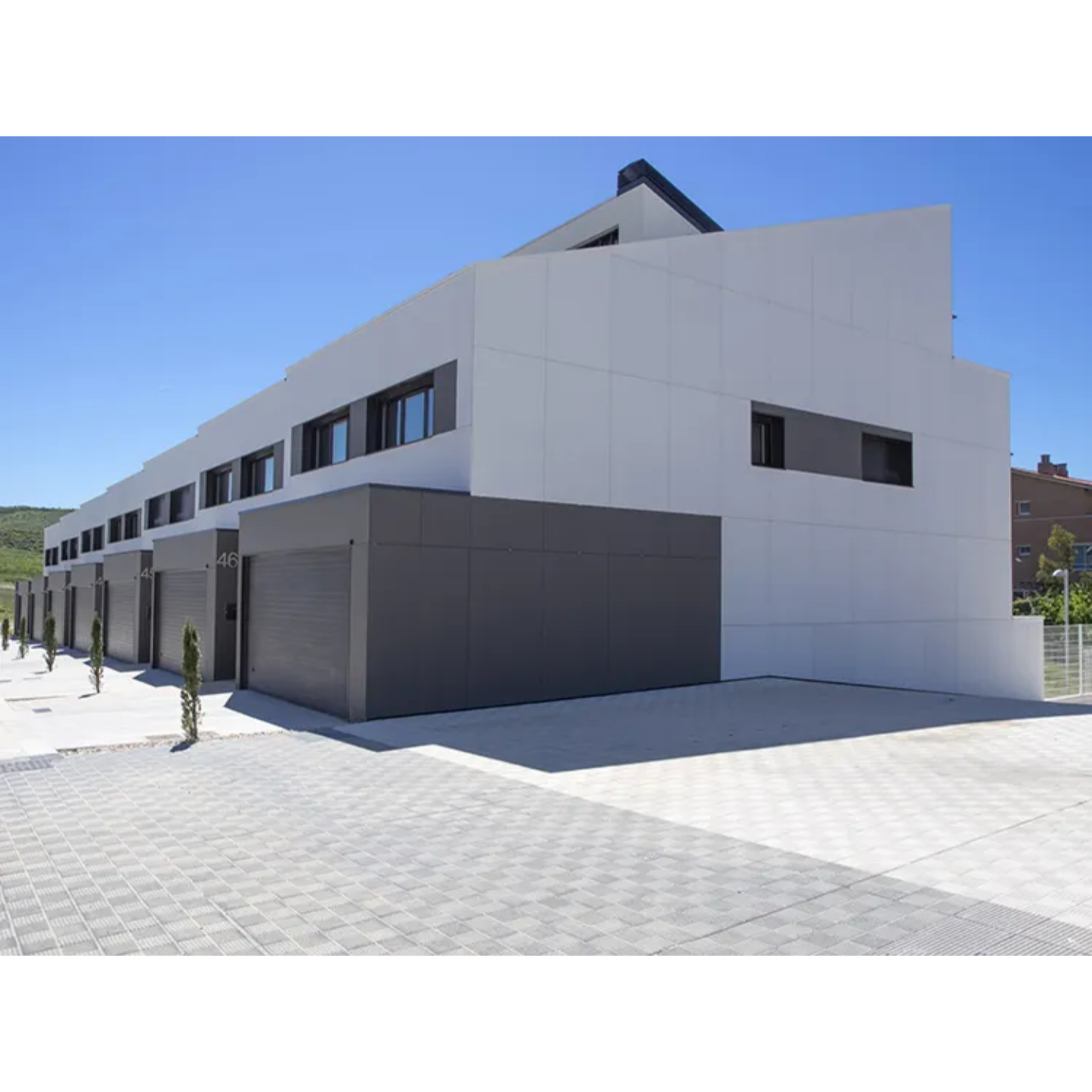
For procurement professionals, the decision to specify aluminum composite panels (ACPs) represents a significant investment in a building's aesthetic longevity. ACPs are prized for their durability, modern appearance, and low maintenance requirements. However, like all exterior finishes, they still require periodic cleaning to maintain their pristine appearance—especially in polluted urban areas or coastal zones. The key lies not in aggressive cleaning, but in knowing the correct techniques.
When done incorrectly, cleaning can permanently damage the PVDF (Polyvinylidene Fluoride) or PE (Polyester) coatings that protect the panel, causing fading, scratching, or dullness. Conversely, a well-executed maintenance plan ensures that ACP facades retain their gloss, color uniformity, and structural integrity for decades. This guide provides procurement specialists with industry-backed protocols to protect their capital investment.
1. Why Proper Cleaning Matters for ACP Longevity
ACP surfaces are coated with protective finishes such as PE or PVDF. These coatings maintain the panel's gloss and color retention, UV resistance, and corrosion protection[reference:1]. Using harsh chemicals or abrasive tools can strip these coatings, causing permanent damage. Proper cleaning extends the panel's life and preserves its sleek finish. ACP exteriors are constantly exposed to pollution, acidic rainwater, dust, and other environmental factors that can degrade the appearance of the panel. Regular cleaning maintains the representative finish of the ACP sheet surface and removes aggressive deposits.
Routine cleaning is the foundation of ACP maintenance. Panels should be washed every six to twelve months with a mild detergent solution and a soft brush or low-pressure rinse to remove surface dirt, pollutants, and organic deposits. ACPs are resistant to industrial atmospheres and are self-cleansing in most environments. However, as with all claddings, improvements in durability are achieved by an annual wash down with warm water to avoid the buildup of deposits. Aluminum composite panels can look good for decades if basic cleaning is done regularly, major cleaning and inspection are done at least every six months, and the correct cleaning materials are always used.
2. Determining the Right Cleaning Frequency
The frequency of cleaning and the choice of suitable cleaning agent depend largely on the position of the building being cleaned and the degree of contamination. General guidelines for cleaning frequency are as follows:
Environment | Recommended Cleaning Frequency |
Urban and industrial zones | Every 6–12 months |
Coastal or high-pollution areas | Every 3–6 months |
Interior applications or low-dust regions | Annually |
High foot traffic (offices, commercial) | Every 3 months |
Heavy industrial or near construction | As needed, potentially monthly |
In foggy and coastal regions, frequent cycles of condensation and dryness take place, and salty components and dirt tend to deposit. Sheltered areas such as overhangs may be affected more severely. The cleaning schedule might be adjusted with other cleaning operations for glass and painted aluminum components.
3. Step-by-Step Cleaning Protocol
The following cleaning protocol represents industry best practice for routine ACP maintenance:
Step 1: Initial Rinse
Use a low-pressure hose to remove loose dirt and dust. Avoid high-pressure washers unless specifically recommended by the panel manufacturer. High-pressure water jets can damage or dislodge ACP panels, especially if they have a PE core.
Step 2: Prepare Mild Detergent Solution
Use a soft cleaning agent diluted in warm water. Recommended cleaners include pH-neutral dish soap, car shampoo, or diluted glass cleaner. One part detergent with ten parts water works effectively for most applications. A mild detergent mixed with warm water (about 20–30 degrees Celsius) is ideal for cleaning aluminum composite panels.
Step 3: Gentle Wiping
Gently scrub the surface using straight strokes. Do not use steel wool, hard brushes, or rough fabrics. Always test a small, inconspicuous area first. Avoid circular rubbing motions, which may leave swirl marks.
Step 4: Thorough Rinse
Remove all detergent residue with fresh water. Leftover soap can leave streaks or attract more dirt. Cleaning must be carried out from top to bottom, followed by proper rinsing with water to ensure removal of cleansing agents.
Step 5: Drying
Dry the panels with a soft, lint-free cloth such as a microfiber towel or soft chamois to avoid water spots.
4. Temperature and Weather Precautions
Do not wash aluminum composite panels when the temperature is higher than 40°C. If the water is volatilized quickly, it is harmful to the PVDF paint of the ACP sheet. ACP panels should be cleaned at optimum temperature—when it is not too cold or too hot—because extreme temperatures can make the surface dry quickly, causing dirt to be retained.
5. Special Cases and Advanced Cleaning
Stubborn Stains (Gum, Grease, Tree Sap)
Use a specialized PVDF-safe solvent cleaner recommended by the panel manufacturer. Apply minimally to a soft cloth and gently wipe the affected area. Follow immediately with a detergent wash and thorough rinsing. Avoid aggressive scraping.
Adhesive Residues
Use a soft cloth soaked in isopropyl alcohol or paraffin to gently wipe off adhesive residues. Avoid using sharp tools or abrasive materials to prevent scratching the panel surface. If mild soap and clean water fail to clean the ACP, you can use an isopropyl solution to clean the panels carefully.
Graffiti Removal
For painted aluminum composite materials, some manufacturers have partnered with coating suppliers to provide solutions for graffiti removal. There are no additional coatings required, and the process is as simple as brushing on and wiping off.
6. Tools and Materials to Use vs. Avoid
Use (Safe) | Avoid (Unsafe) |
Soft microfiber cloth | Steel wool, scouring pads |
Soft sponge | Stiff or hard-bristled brushes |
Soft-bristled brush (for heavy dirt) | Abrasive scouring powders |
pH-neutral dish soap | Strong acids (pH <4) |
Car shampoo | Strong alkalis (pH >10) |
Diluted glass cleaner | Bleach, ammonia |
Isopropyl alcohol (for adhesives) | Acetone, paint thinners |
Low-pressure hose | High-pressure washers (>1000 psi) |
Abrasive materials such as scouring pads or stiff brushes should never be used. Strong solvents like acetone or paint thinners can damage the surface. Cleaners containing strong acids, alkalis, or solvents can strip the protective coating. The use of powerful alkaline cleaning agents (e.g., potassium hydroxide, sodium carbonate, or caustic soda), powerful acidic products, heavily abrasive scouring agents (e.g., lime), or lacquer-dissolving cleaning agents is strictly prohibited because they may destroy the look and shine of ACP sheets.
7. Pressure Washing Guidelines
Pressure exceeding 1000 psi (70 bar) or holding the nozzle closer than 12 inches (30 cm) can damage the coating and dent the aluminum skin. Misusing a pressure washer can ruin surfaces, strip away protective coatings, force water deep into materials, and even cause injuries. If using a pressure washer, keep the nozzle at a safe distance from the panel surface and use only low-pressure settings.
8. Inspection During Maintenance
Routine inspections often catch issues before they escalate into costly repairs. Inspect for physical damage such as dents, scratches, or cracks—these can affect the panels' integrity. Peeling or bubbling on the coating could indicate weathering or improper installation, which should be addressed promptly.
Small corrosion marks, especially at the joints and edges, should be addressed immediately by a qualified professional to remove the corrosion and, if needed, touch up the protective finish on the panels near the corrosion marks. Joint sealants and gaskets should be checked annually for cracks, shrinkage, or adhesion loss, allowing early resealing before water infiltration can compromise the panel cores.
9. Protective Maintenance Coatings
For high-end finishes or panels in harsh environments, a non-abrasive automotive wax or protective sealant (recommended by the panel supplier) can be applied. This can enhance water repellency and keep the surface cleaner for longer. However, always verify compatibility with the panel manufacturer before applying any additional coatings.
10. Summary of Best Practices for Procurement Professionals
Best Practic | Key Action |
Schedule regular cleaning | Every 6–12 months for most exterior applications |
Use mild, pH-neutral detergents | pH-neutral dish soap or specialized ACP cleaner |
Avoid high-pressure washing | Keep below 1000 psi; maintain a safe distance |
Use soft, non-abrasive tools | Microfiber cloths, soft sponges, soft brushes |
Rinse thoroughly | Remove all detergent residue |
Dry panels | Prevent water spots with a soft, lint-free cloth |
Conduct test cleaning | Always test on an inconspicuous area first |
Inspect during cleaning | Check for damage, corrosion, and sealant condition |
Address stains promptly | Use isopropyl alcohol for adhesives; avoid solvents |
11. The Cost of Improper Cleaning
Improper cleaning methods can damage aluminum composite panels. Using abrasive pads, steel wool, scouring powders, or highly alkaline/acidic cleaners (pH <4 or >10) can irreparably damage the PVDF coating. Using abrasive cleaners can result in costly repairs or replacement of the cladding. In summary, mild detergent and water are enough to clean ACP cladding, while pressure washers and premium cleaners should only be used with caution.
Aluminum composite panels can look good for decades if basic cleaning is done regularly, major cleaning and inspection are done at least every six months, and the correct cleaning materials are always used. Prompt repairs of small damages when they are detected will contribute to the maintenance and good look of the facade. By adopting a proactive maintenance regimen, facility managers and aluminum facade contractors can maximize ACP's service life, ensuring the panels retain their engineered performance and aesthetic qualities for decades.