Welcome to Vbond
The Next Big Thing in Aluminum Composite Panel Coating Technology
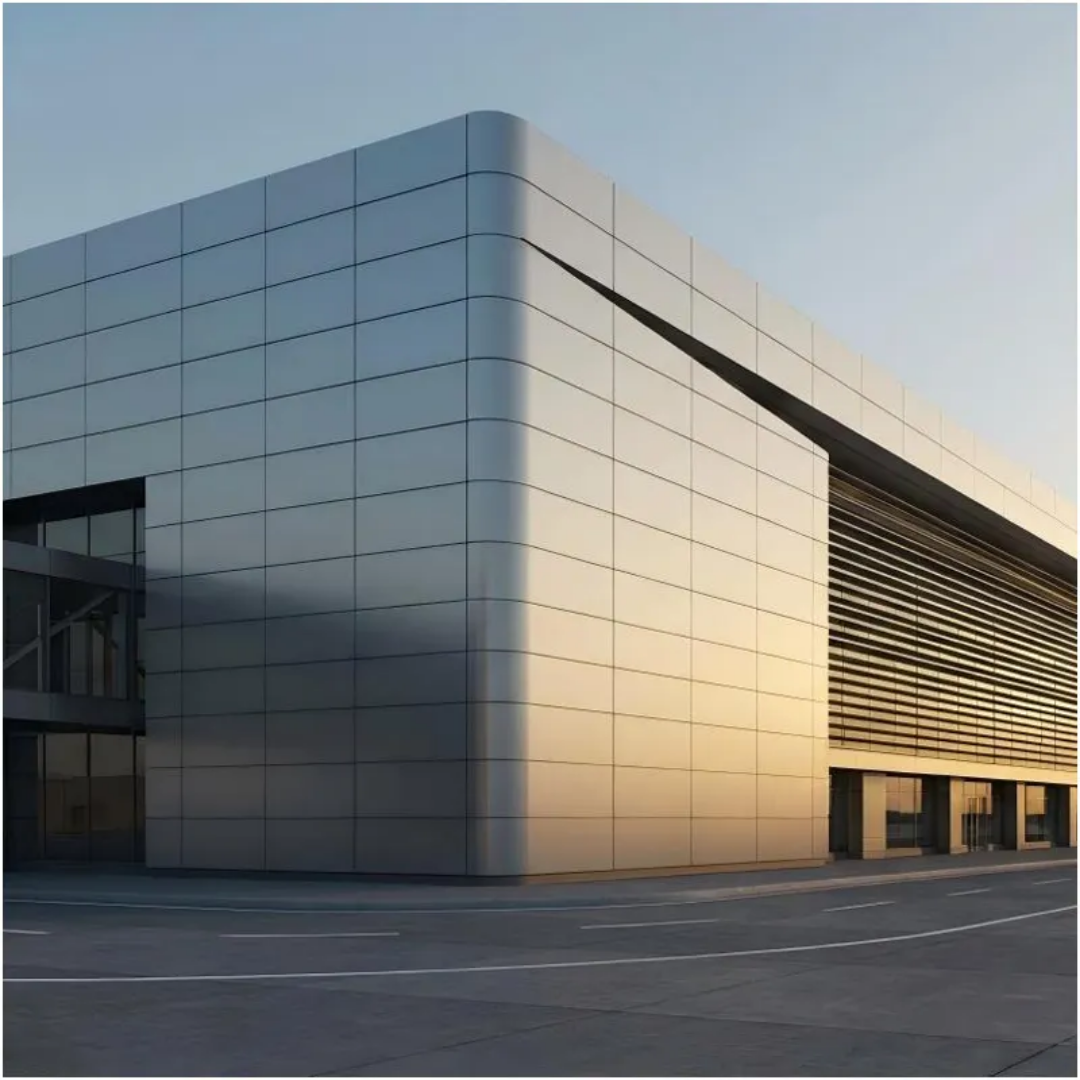
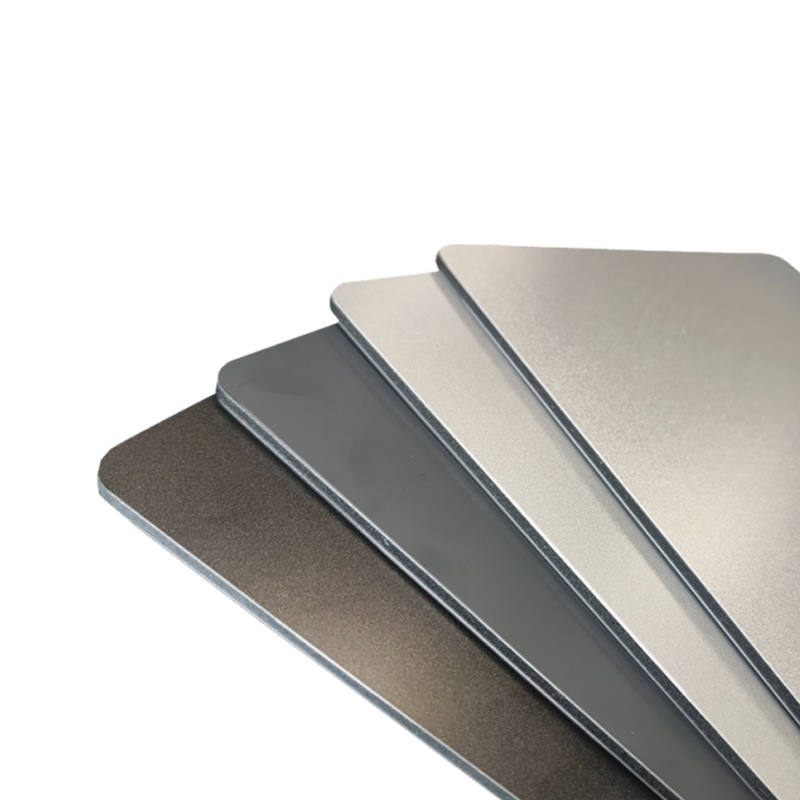
For procurement professionals in the building materials industry, aluminum composite panels (ACPs) have long been valued for their lightweight durability and design versatility. But the surface coatings that protect and define these panels are undergoing a quiet revolution. After decades where the choice was essentially between standard polyester (PE) for interiors and premium PVDF (polyvinylidene fluoride) for exteriors, a new generation of coating technologies is emerging.
Driven by stricter environmental regulations, rising maintenance costs, and demand for higher performance, the next big things in ACP coating technology include nano self-cleaning surfaces, graphene-reinforced PVDF**, ultra-matte finishes, advanced digital printing, and low-VOC, carbon-neutral formulations. This article explores these innovations, providing procurement professionals with the technical understanding needed to specify coatings that deliver long-term value.
1. Nano Self-Cleaning Coatings: The Low-Maintenance Revolution
Perhaps the most significant breakthrough in recent ACP coating technology is the commercial availability of nano self-cleaning coatings. Traditional ACPs accumulate dirt, oil, and pollutants over time, requiring regular, often costly cleaning. The global annual cleaning cost for building curtain walls exceeds $12 billion, with pollution adhesion increasing maintenance frequency by 35% in industrial projects. The breakthrough application of nanotechnology has endowed aluminum composite panels with unprecedented self-cleaning and antibacterial functions, significantly enhancing the added value of the product and redefining the health standards for modern building facades and interior decoration.
Nano self-cleaning coatings add a transparent nanostructured layer on top of PVDF, providing hydrophobic and anti-pollution properties. Rainwater forms droplets that roll off the surface, carrying away dust and reducing streaks, significantly lowering long-term maintenance costs. Nano coatings achieve this through two primary mechanisms:
Photocatalytic Self-Cleaning (TiO₂ Nanotechnology): Nano-sized titanium dioxide (TiO₂) particles are embedded in the surface of the aluminum composite panel. Under light, TiO₂ undergoes a photocatalytic reaction, decomposing organic dirt adhering to the panel surface. Rainwater can then wash away the decomposed dirt, keeping the exterior wall clean for a long time and significantly reducing building maintenance costs.
Superhydrophobic Nanostructure (Lotus Effect Biomimetic): A micro-rough surface is constructed using nanoscale hydrophobic materials, resulting in a water contact angle greater than 150°, forming a "superhydrophobic" effect similar to a lotus leaf. Water droplets roll off the panel surface in a spherical shape, carrying away dust particles simultaneously, effectively preventing water stains and dirt adsorption.
Beyond cleaning, nanotechnology has enabled antibacterial ACPs. By incorporating antibacterial agents such as nano-silver (Ag), nano-copper (Cu), or nano-zinc oxide (ZnO), aluminum composite panels can achieve long-lasting inhibition of various pathogenic microorganisms. Nanoparticles disrupt bacterial/viral cell membranes, inhibiting their reproduction, with a highly effective elimination effect on common pathogens such as E. coli and S. aureus.
Procurement Takeaway: For high-rise buildings in urban areas with heavy pollution or where manual cleaning is expensive, nano self-cleaning ACPs can significantly lower long-term maintenance costs. While they carry a premium over standard PVDF, the reduction in cleaning frequency and labor costs often provides a compelling return on investment over the building's lifecycle.
2. PVDF Coatings: Still the Gold Standard, But Getting Better
PVDF coating aluminum composite panels contain 70% fluorocarbon resin and are widely recognized as the professional choice for exterior applications. Their outstanding weather resistance, color retention, and corrosion protection have made them the standard for high-rise building facades. PVDF coatings maintain color stability for 15-20 years, even in coastal regions with heavy salt spray or areas with extreme temperature fluctuations.
However, the next generation of PVDF is being enhanced through material science:
Graphene-Reinforced PVDF ACP: An innovative advancement in composite materials, graphene-reinforced PVDF ACP integrates microscopic graphene particles into the PVDF coating or core. This enhances mechanical strength, thermal conductivity, and chemical resistance. Benefits include exceptional tensile strength and flexibility, improved scratch and abrasion resistance, and enhanced thermal and electrical properties.
Lumiflon FEVE Fluoropolymer: ALPOLIC uses Lumiflon FEVE fluoropolymer resin applied through a unique die-coating process that ensures smooth, even results with no roping marks. This advanced fluoropolymer offers superior weatherability, exceptional gloss and color retention capabilities, and low VOC content.
Anti-Droplet PVDF ACP: Engineered with a specialized surface treatment, anti-droplet PVDF panels prevent condensation from forming visible water droplets through hydrophilic or surface-energy-modified coatings that spread moisture into a thin film. This prevents water droplet accumulation, reduces the risk of mold and mildew growth, and improves hygiene in high-humidity areas—making it ideal for hospitals, laboratories, swimming pool enclosures, and food processing facilities.
Procurement Takeaway: For exterior applications in harsh environments, PVDF remains the benchmark. When specifying, consider enhanced variants (graphene, FEVE, anti-droplet) for projects with specific performance requirements—high-traffic public buildings, coastal locations, or high-humidity interiors.
3. Ultra-Matte and Low-Reflectivity Finishes
The architectural trend toward understated elegance has driven demand for ultra-matte finishes with minimal reflectivity. Matte PVDF aluminum composite panels are suitable for projects requiring controlled reflections and versatile color options, with matte finishes minimizing glare under sunlight and improving visual comfort on exterior walls.
Innovations in this space include:
Panelox Haze: Part of Alumet's high-performance anodizing series, Panelox Haze achieves a soft, desaturated metallic finish with minimal reflectivity and controlled surface diffusion through a proprietary double anodizing process combining precise chemical pre-treatment with controlled electrolytic coloring. The result is a stable oxide layer with integrated pigmentation, ensuring consistent color performance without reliance on surface coatings or organic dyes.
Key properties include: ultra-matte, low-reflective surface appearance; oxide layer thickness of 20–25 μm; excellent UV and weather resistance (finish will not fade or degrade under solar exposure); and A1 non-combustible fire classification (EN 13501-1). The low-gloss surface mitigates specular reflection while preserving the natural appearance of anodized aluminum, and it is particularly suited for applications where visual calmness, neutrality, and diffuse daylight reflection are architectural objectives.
PPG Truform Coil Coatings: PPG Truform is designed for dual-coat application on aluminum or galvanized steel substrates, offering an excellent balance of properties including weather resistance, finish gloss and color retention, chalk resistance, and film flexibility.
Procurement Takeaway: Ultra-matte finishes are ideal for healthcare, educational, and office environments where glare reduction improves visual comfort. When specifying matte finishes, verify gloss level consistency and UV resistance, as matte surfaces can be more susceptible to uneven sheen development over time.
4. Digital Printing and Customization Technologies
The demand for customized, visually striking facades has accelerated the development of digital printing technologies for ACPs. Digital printing allows virtually any image, graphic, or pattern to be printed directly onto ACP surfaces with exceptional durability.
UV Digital Printing: UV-curable inks are applied directly to the ACP surface and immediately cured using UV light, hardening and becoming both waterproof and resistant to fading. For exterior applications, a PVDF-coated aluminum composite structure achieves superior corrosion resistance and UV stability compared to PE-coated panels.
Adhesion Promoters: Industrial Solutions, Inc. launched Natron® MD3 UV Adhesion Promoter for Aluminum Composite Material, Dibond, and powder-coated metals. This innovative technology significantly enhances UV ink durability, preventing chipping and peeling even under humid and other extreme conditions.
Multi-Color Coating Lines: Viva installed India's first-ever four-color coating line, a revolutionary step in the ACP industry. This cutting-edge technology allows for the creation of unique multi-color finishes with unparalleled precision, meeting the evolving aesthetic demands of architects and designers.
Procurement Takeaway: Digital printing enables brand integration, artistic expression, and cultural motifs on building facades. When specifying digitally printed ACPs, require UV resistance testing and protective clear coat specifications to ensure 10+ year durability.
5. Low-VOC and Carbon-Neutral Coatings
Environmental regulations are driving the development of low-VOC and carbon-neutral coating systems. As green building certifications (LEED, BREEAM) become standard requirements, coating formulations are evolving to meet stricter environmental standards.
Low-VOC Fluoropolymer Coatings: ALPOLIC™ NC/A1 is finished with a LUMIFLON (FEVE) fluoropolymer coating providing resistance to weathering, UV exposure, corrosion, and color change, with low VOC levels and no toxicity issues of concern. Viva composite panels are made with Korean lamination systems and employ low-VOC (volatile organic compounds) coatings to minimize environmental impact, with production processes incorporating energy-efficient technologies.
Zero-Carbon Breakthrough: By 2026, the EU's "Carbon Neutral Building Products Act" (CPND) will mandate that building materials disclose their full-cycle carbon footprint. Industry leaders have achieved: green hydrogen for aluminum smelting, reducing carbon emissions by 85% compared to traditional processes; bio-based core material composed of recycled marine plastics and plant fibers receiving UL Cradle to Cradle Platinum certification; and blockchain traceability systems allowing each square meter of panel to query raw material sources and carbon footprint data through a digital passport.
Procurement Takeaway: For projects pursuing green building certification, specify low-VOC coatings and request Environmental Product Declarations (EPDs). The "green premium" is narrowing, with zero-carbon ACP prices approaching those of traditional materials, expected to reach parity by 2027.
6. The Future Horizon: Smart and Responsive Coatings
Looking beyond current commercial offerings, research and development point to even more transformative coating technologies:
Thermochromic and Photochromic Coatings: Imagine an ACP whose color or reflectance changes with temperature or sunlight intensity. Thermochromic coatings could darken in cold weather to absorb solar heat and lighten in hot weather to reflect it, passively regulating building temperature. Photochromic coatings could adjust tint levels dynamically, reducing glare and cooling loads without mechanical shading.
Self-Healing Nano-Coatings: Scratches can be automatically repaired within 24 hours, reducing maintenance costs by 60%.
Air-Purifying Surfaces: Next-gen coatings incorporate photocatalytic compounds like titanium dioxide that, when activated by sunlight, break down organic pollutants (NOx, VOCs) from the air into harmless salts, creating a facade that actively cleans itself and its surrounding environment.
Procurement Takeaway: While still emerging, these technologies will likely become commercially available within the next 3-5 years. Forward-thinking procurement professionals should monitor these developments for early adoption opportunities.
7. Procurement Specifications for Next-Generation Coatings
When evaluating ACP suppliers offering advanced coating technologies, procurement professionals should require:
Specification | Requirement |
Coating type | Specify PVDF, nano self-cleaning, or matte as required |
Third-party test reports | UV resistance (ASTM D2244), adhesion (ASTM D3359), abrasion (ASTM D4060) |
Self-cleaning verification | Contact angle measurement (>150° for superhydrophobic); photocatalytic activity testing |
Low-VOC certification | GreenTag, Greenguard, or equivalent |
EPD documentation | Lifecycle assessment and carbon footprint data |
Warranty coverage | Minimum 10-20 years for PVDF and nano coatings |
Color matching tolerance | ΔE < 1.0 for solid colors |
Conclusion
The next big thing in aluminum composite panel coating technology is not a single innovation but a convergence of advances across multiple fronts. Nano self-cleaning coatings are transforming maintenance economics. Graphene and FEVE fluoropolymers are pushing PVDF performance to new heights. Ultra-matte finishes are meeting architectural demands for glare-free, understated elegance. Digital printing is enabling unprecedented customization. And low-VOC, carbon-neutral formulations are aligning with global sustainability imperatives.
For procurement professionals, the message is clear: the era of treating ACP coatings as a commodity is ending. Today's coating technologies offer differentiated performance that directly impacts building lifecycle costs, occupant comfort, and environmental footprint. By understanding these innovations and specifying accordingly, you can deliver facades that are not only beautiful but also self-cleaning, energy-efficient, and sustainable.