Welcome to Vbond
The Shift Towards Sustainable and Recyclable Aluminum Composite Panels
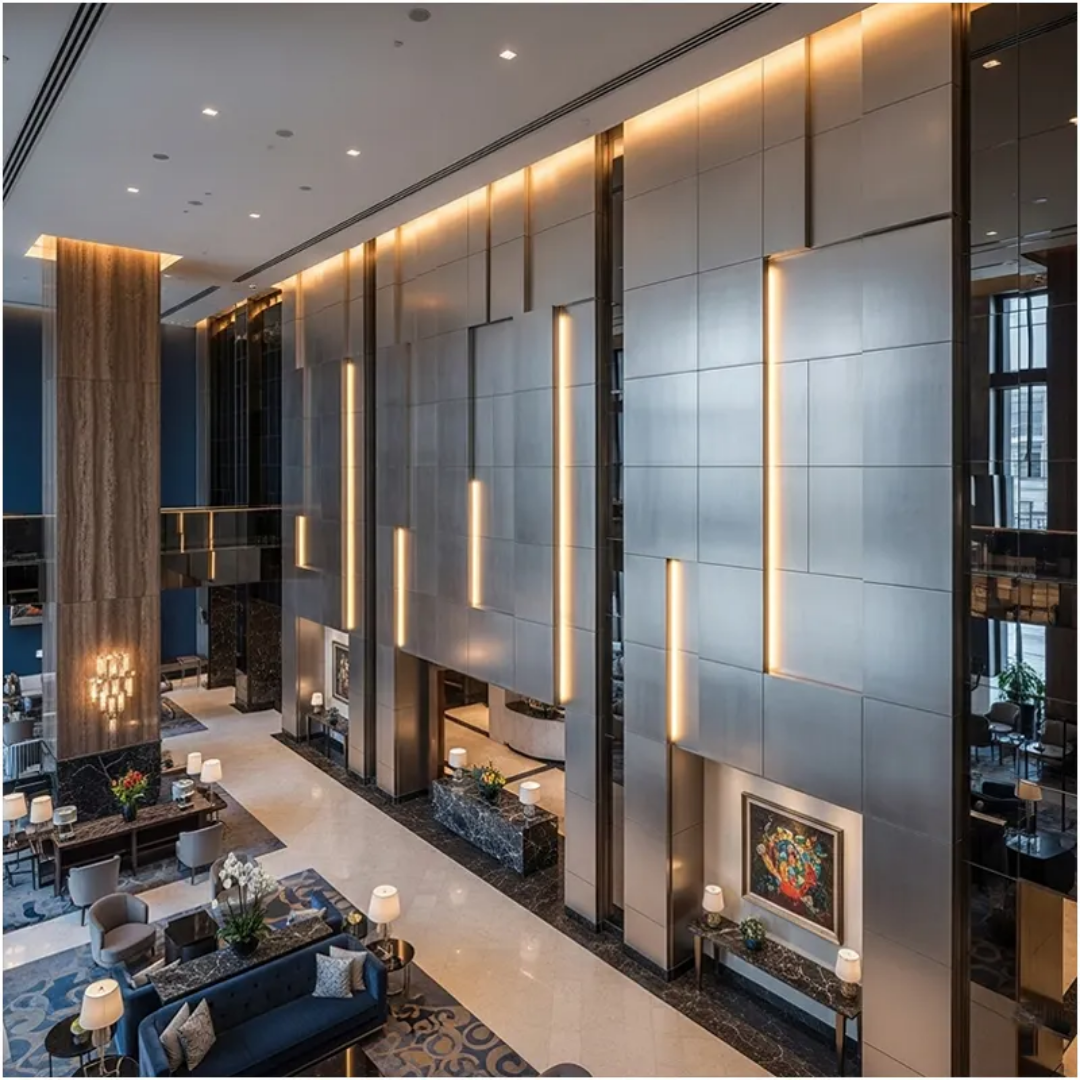
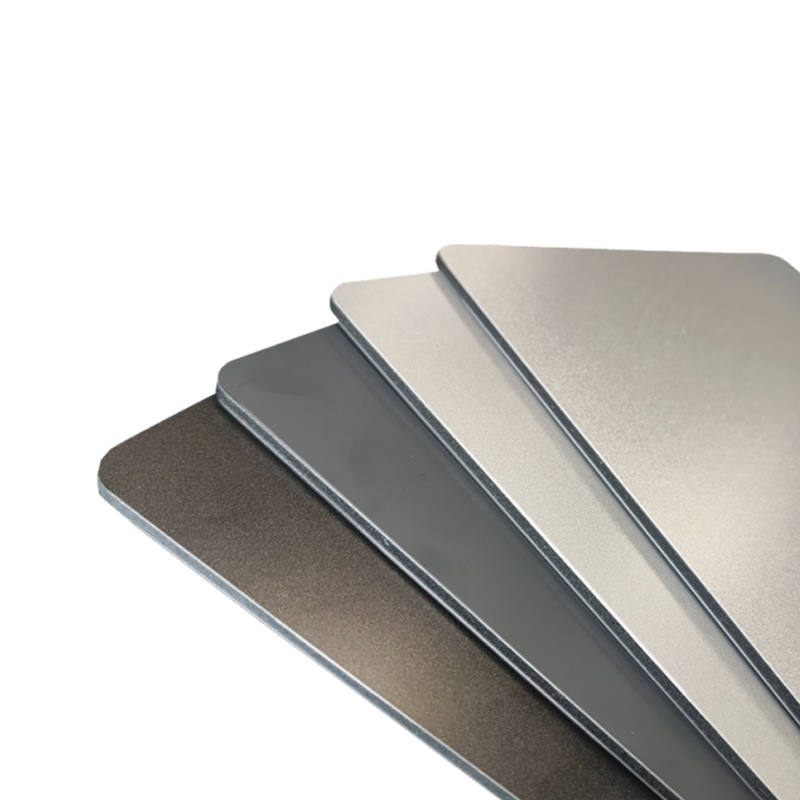
For procurement professionals in the building materials industry, the ground is shifting. What was once a niche consideration—sustainability—has rapidly become a baseline expectation across global construction markets. Among the materials at the center of this transformation are aluminum composite panels (ACPs), long prized for their lightweight durability, design versatility, and cost-effectiveness, but now increasingly evaluated through the lens of environmental impact, circular economy principles, and regulatory compliance.
The shift towards sustainable and recyclable ACPs is not merely a marketing trend. It is a structural market transformation driven by three powerful forces: stricter environmental regulations, evolving green building certification standards, and changing buyer expectations from developers, architects, and end-users. For procurement professionals, understanding this shift is essential to making informed sourcing decisions, managing risk, and capitalizing on emerging opportunities in the green building materials market.
This article provides a comprehensive analysis of the sustainable ACP landscape, covering market trends, regulatory drivers, recyclability innovations, green certifications, and practical procurement strategies for 2026 and beyond.
1. The Market Reality: Growth Driven by Sustainability
The global aluminum composite panels market has demonstrated strong growth in recent years, expanding from $6.87 billion in 2025 to an estimated $7.39 billion in 2026, representing a compound annual growth rate (CAGR) of 7.6%. Looking further ahead, the market is projected to reach $10.02 billion by 2030, growing at a CAGR of 7.9%.
What is particularly significant for procurement professionals is the underlying drivers of this growth. While traditional factors such as commercial construction activity and infrastructure development remain important, the forecast period is being increasingly shaped by stringent fire safety regulations in buildings and an increasing focus on sustainable and recyclable materials.
Major trends reshaping the ACP market include rising demand for fire-resistant and safety-compliant ACPs, increasing preference for lightweight and easy-to-install panels, and—critically—the expansion of decorative and custom-finish ACP applications that incorporate sustainable manufacturing processes. This confluence of safety, aesthetics, and sustainability is creating new opportunities for suppliers who can deliver on all three fronts.
The green building materials market, more broadly, is experiencing explosive growth. According to Statista, the global sustainable and green materials market was valued at $420.0 billion in 2026 and is expected to reach $1,040.0 billion by 2034, growing at a CAGR of 12.0%. In India alone, the green building materials market is projected to grow from Rs 1.55 lakh crore in 2025 to Rs 3.22 lakh crore by 2032. These figures underscore that sustainable materials are not a fringe segment—they are the future of construction procurement.
2. The Regulatory Landscape: From Voluntary to Mandatory
Perhaps the most powerful driver of the sustainable ACP shift is the evolving regulatory environment. Governments worldwide are tightening environmental regulations, with regions such as Europe, North America, the Middle East, and Southeast Asia increasingly requiring low VOC emissions, high recyclability, fire safety certifications, and lower manufacturing carbon emissions.
2.1 LEED v5: Embodied Carbon as a Core Requirement
The release of LEED v5 represents a paradigm shift in green building certification. Unlike previous versions, LEED v5 overhauls the rating system, dedicating 50% of its total points to decarbonization. The new standard emphasizes embodied carbon**—the emissions generated by manufacturing, transporting, and installing every single material—alongside operational carbon.
For ACP specifiers, this has direct implications. LEED v5 introduces a new prerequisite requiring project teams to calculate the global warming potential (GWP) of major structure, enclosure, and hardscape materials. This explicitly includes aluminum and cladding. Teams must establish a defensible embodied carbon baseline using material takeoffs and EPD-based GWP values.
The new Reduced Embodied Carbon credit offers up to six points through three compliance pathways: whole-building life-cycle assessment (WBLCA), project-wide EPD-based reduction, or targeted structure and enclosure reduction. Under LEED v5, carbon emissions and embodied carbon management are no longer optional—they are core, mandatory requirements.
For procurement professionals, this means that specifying ACPs without documented Environmental Product Declarations (EPDs) and verified low-carbon credentials may jeopardize project certification. Generic specifications are no longer sufficient. The era of data-driven specification has arrived.
2.2 Public Procurement: Carbon Intensity as a Competitive Edge
Beyond voluntary certification, public construction and infrastructure procurement frameworks are increasingly prioritizing low-emissions performance. In 2026, demand for less polluting materials is shaping how governments and major buyers purchase materials. Procurement frameworks now reward transparency, prioritize low-emissions performance, and make carbon data essential rather than optional.
The direction is clear: carbon intensity is becoming a key competitive edge. For ACP suppliers, this means that the ability to provide verified low-carbon products is not just a marketing advantage—it is a prerequisite for bidding on public projects.
2.3 Fire Safety Regulations: Sustainability and Safety Converge
Following high-profile fire incidents involving combustible cladding, authorities worldwide have implemented more rigorous testing standards for building materials, particularly for high-rise structures. The industry faces intense scrutiny and stricter fire safety regulations globally. For high-rise buildings, A2 fire requirements must generally be met, while commercial buildings, schools, and hospitals should use Grade B1 or higher.
The convergence of fire safety and sustainability is creating demand for mineral-filled A2 core panels that are both non-combustible and highly recyclable. The A2 core represents the highest grade of fire safety in ACPs, comprising 90% mineral content and 10% virgin polyethylene, delivering very limited combustibility, minimal smoke emission (s1), and zero flaming droplets (d0)—as certified under EN 13501-1 (Class A2-s1,d0). These panels are also 100% recyclable, with lifecycle CO₂ reduced by up to 40% compared to conventional ACPs.
3. Recyclability: From Challenge to Opportunity
One of the most persistent questions about ACPs has been their recyclability. The answer is increasingly clear: yes, aluminum composite panels are fully recyclable. Both the aluminum skins and the core materials can be separated and processed for reuse in new products, including new construction materials, supporting a truly circular economy.
3.1 The Energy Savings Case
Aluminum is 100% recyclable without loss of quality, and recycling it saves up to 95% of the energy required to produce new aluminum from raw ore. This is a staggering figure. For context, producing primary aluminum generates approximately 11 to 17 kilograms of CO₂ per kilogram of aluminum; recycled aluminum carries a fraction of that carbon burden.
Given the millions of tons of ACP waste generated annually from construction, advertising, and interior design, recycling is essential to prevent resource wastage and reduce environmental pollution. If ACPs are disposed of in landfills or incinerated, not only are valuable materials lost, but there is also a risk of soil and air pollution from the plastic core and coatings.
3.2 Recycling Technologies: Closed-Loop Systems
Modern closed-loop recycling for architectural aluminum panels involves six critical phases: collection and sorting, decoating, shredding, remelting, alloy adjustment, and casting. The process conserves 95% energy versus bauxite refining.
However, ACP recycling requires specialized approaches due to the polyethylene core. Advanced systems such as Grenzebach's "RecyAl" achieve 92% metal recovery from ACP waste while converting PE cores into construction-grade pellets (ASTM D6400 compliant). The EU's Aluminium Initiative reports a 68% lower carbon footprint for recycled versus virgin ACP production.
For procurement professionals, this means that specifying recycled-content ACPs is not just environmentally responsible—it is increasingly economically advantageous and technically feasible.
3.3 EPD Certification: Transparency in Action
Environmental Product Declarations (EPDs) have emerged as the gold standard for verifying sustainability claims. Viva, Asia's largest manufacturer of ACPs, has secured EPD certification under the International EPD® System, assessing the environmental performance of 1m² of ACP throughout its lifecycle—from raw material extraction to end-of-life recycling.
The EPD reveals that up to 95% of the aluminum and 90% of the polyethylene (PE) core used in Viva panels are recyclable, supporting a circular economy approach. By choosing EPD-certified ACPs, architects and developers can earn up to two LEED points for green building projects, with compliance to global standards including LEED, BREEAM, IGBC, and GRIHA.
Viva is not alone. Other manufacturers are following suit, with some offering panels that are 100% recyclable and produced with carbon-neutral manufacturing, reducing lifecycle CO₂ by 40% compared to conventional ACPs.
4. Green Aluminum Certifications: What Procurement Should Know
The shift towards sustainable ACPs is intimately tied to the broader transformation of the aluminum industry. Green aluminum—aluminum produced with significantly reduced greenhouse gas emissions compared to traditional production—is transitioning from a niche advantage to a baseline expectation.
4.1 Aluminium Stewardship Initiative (ASI)
The Aluminium Stewardship Initiative (ASI) is the most established global certification body in the aluminum sector, evaluating areas like environmental impact, labor rights, governance, and biodiversity through its Performance Standard, while its Chain of Custody (CoC) Standard guarantees that materials are handled according to responsible practices throughout their lifecycle. As of 2023, over 250 companies from more than 40 countries have joined the ASI ecosystem.
For ACP procurement, specifying ASI-certified aluminum provides assurance that the material has been sourced, produced, and transported according to rigorous environmental and social standards.
4.2 Carbon Trust and Other Certifications
The Carbon Trust Standard provides impartial certification of carbon emissions per product, while frameworks such as REDUXA offer additional verification of low-carbon aluminum. These programs assure that the aluminum in products is derived from greener, more sustainable, and less carbon-intensive methods.
4.3 The Circular Economy Imperative
Around 75% of all aluminum ever made is still in use today, showcasing aluminum's unmatched sustainability potential. Unlike other materials, it doesn't degrade when recycled, making it infinitely reusable. However, recycling alone isn't enough. Reducing emissions during primary production—especially in emerging economies where coal power prevails—is essential.
This is where green aluminum comes in, tackling emissions through hydro-powered smelting, inert anode technology, and increased traceability through digital passporting. For ACP procurement, this means looking beyond recycled content to the full supply chain—including the carbon intensity of primary aluminum used in the panel skins.
5. The Competitive Landscape: Innovators and Leaders
Major companies operating in the aluminum composite panels market include 3A Composites GmbH, Mitsubishi Chemical Corporation, Taizhou Vbang Composite Panel Co. Ltd., Shanghai Huayuan New Composite Materials Co. Ltd., and others.
Product innovations are emerging as a key trend. Companies in this market are actively adopting new technologies to maintain their competitive positions. In July 2023, Aludecor launched Nexcomb, a highly anticipated aluminum honeycomb panel featuring proprietary honeycomb core production, offering lightweight strength and limitless potential for various architectural applications.
The shift towards sustainable ACP materials is also driving investment in new production capabilities. Viva became the first in India to launch an in-house A2 fire-retardant core production facility for ACPs, reflecting the growing demand for high-performance sustainable panels.
6. Beyond Recyclability: Holistic Sustainability
True sustainability in ACPs extends beyond recyclability to encompass the entire product lifecycle.
6.1 Low-VOC Coatings
Sustainable ACPs use eco-friendly surface coatings: low-VOC PE or high-durability PVDF. Low-VOC ACP panels are ideal for interiors where air quality matters—hospitals, schools, malls, and offices—reducing odors and installation disruption. Energy-efficient production processes in ACP factories further reduce environmental impact.
6.2 Longer Service Life, Lower Lifecycle Cost
Sustainable ACP often reduces lifecycle costs. PVDF-coated panels can last 20–25+ years outdoors, with lower maintenance and cleaning expenses, better UV resistance and color stability, and fewer replacements across a building's lifetime. For large façades and public projects, these advantages translate into significant long-term savings.
6.3 Safer Core Materials
Modern sustainable ACP uses fire-resistant mineral core (FR Core), low-smoke/low-toxicity formulations, and regulated PE cores—essential for high-rise buildings, airports, malls, and infrastructure. Upgraded coatings (UV-resistant PVDF), anti-corrosion alloys, and improved surface hardness extend service life and preserve aesthetics.
7. Procurement Strategies for Sustainable ACPs in 2026
For procurement professionals navigating this shifting landscape, the following strategies are essential:
7.1 Require EPDs as Standard
Generic specifications are no longer sufficient. Actively request and compare Environmental Product Declarations (EPDs) from suppliers for all major ACP products. Set maximum Global Warming Potential (GWP) thresholds in specifications, aligned with benchmarks from LEED and the Carbon Leadership Forum.
7.2 Prioritize ASI-Certified Aluminum
Specify aluminum sourced from ASI-certified smelters and rolling mills. This provides third-party verification of responsible production practices and reduces exposure to supply chain environmental risks.
7.3 Verify Recyclability Claims
Not all recyclability claims are equal. Request documentation of actual recycling rates and processes. Look for suppliers with demonstrated closed-loop recycling capabilities and third-party verification of recycled content.
7.4 Specify A2 Mineral-Core for High-Rise Projects
For high-rise buildings, specify A2 mineral-core panels that combine non-combustibility with high recyclability. These panels meet the most stringent fire safety requirements while supporting circular economy goals.
7.5 Design for Disassembly and Reuse
LEED v5 explicitly rewards reuse. Metals are uniquely suited for recycling, repurposing, or modularization without losing structural integrity. Specify metals with high recycled content and design connections to enable future disassembly and reuse.
7.6 Monitor Regulatory Developments
The regulatory landscape is evolving rapidly. Stay informed about updates to LEED v5, ASI standards, and public procurement frameworks. Carbon accounting and disclosure requirements are becoming business baselines from 2026 onwards.
8. The Future Outlook: What to Watch
Looking ahead, several trends will shape the sustainable ACP market:
- Circular Economy Standards: Cradle to Cradle (C2C) certification is gaining traction in the building materials sector, evaluating product design, material management, and supply chain sustainability. C2C certification requires that all materials and products within a production process belong to a continuous biological or technical cycle.
- Digital Traceability: Blockchain and AI are optimizing aluminum panel recycling networks through material passports and real-time logistics optimization. These technologies will enable greater transparency and verification of sustainability claims.
- Decarbonization Pressures: The Asia-Pacific low-carbon aluminum market, valued at $34.17 billion in 2024, is projected to reach $61.63 billion by 2034, growing at a 6.08% CAGR, driven by sustainable manufacturing adoption.
- EV Battery Aluminum Demand: The rise of electric vehicles is increasing demand for lightweight and low-carbon aluminum in battery housings, chassis, and wheels, creating competition for scrap supply and potentially impacting ACP material costs.
9. Conclusion
The shift towards sustainable and recyclable aluminum composite panels is not a passing trend—it is a fundamental restructuring of the building materials market. Driven by regulatory pressure from LEED v5 and public procurement frameworks, enabled by advances in recycling technology and green aluminum certification, and demanded by increasingly environmentally conscious developers and occupants, sustainable ACPs are rapidly becoming the new standard.
For procurement professionals, the message is clear: the era of specifying ACPs based solely on price and aesthetics is over. Today's procurement decisions must incorporate lifecycle carbon assessment, recyclability verification, third-party certification, and alignment with green building standards. Suppliers who can provide EPD-certified, ASI-tracked, high-recycled-content ACPs will command premium pricing and long-term contracts. Those who cannot will be left behind.
The buildings we construct today will stand for decades. The materials we specify now will shape not only the aesthetics and performance of those buildings but also their environmental legacy. By embracing sustainable and recyclable aluminum composite panels, procurement professionals can deliver buildings that are not only beautiful and durable but also responsible—contributing to a circular economy and a low-carbon future.