Welcome to Vbond
Training Your Crew to Handle and Fabricate Aluminum Composite Panels
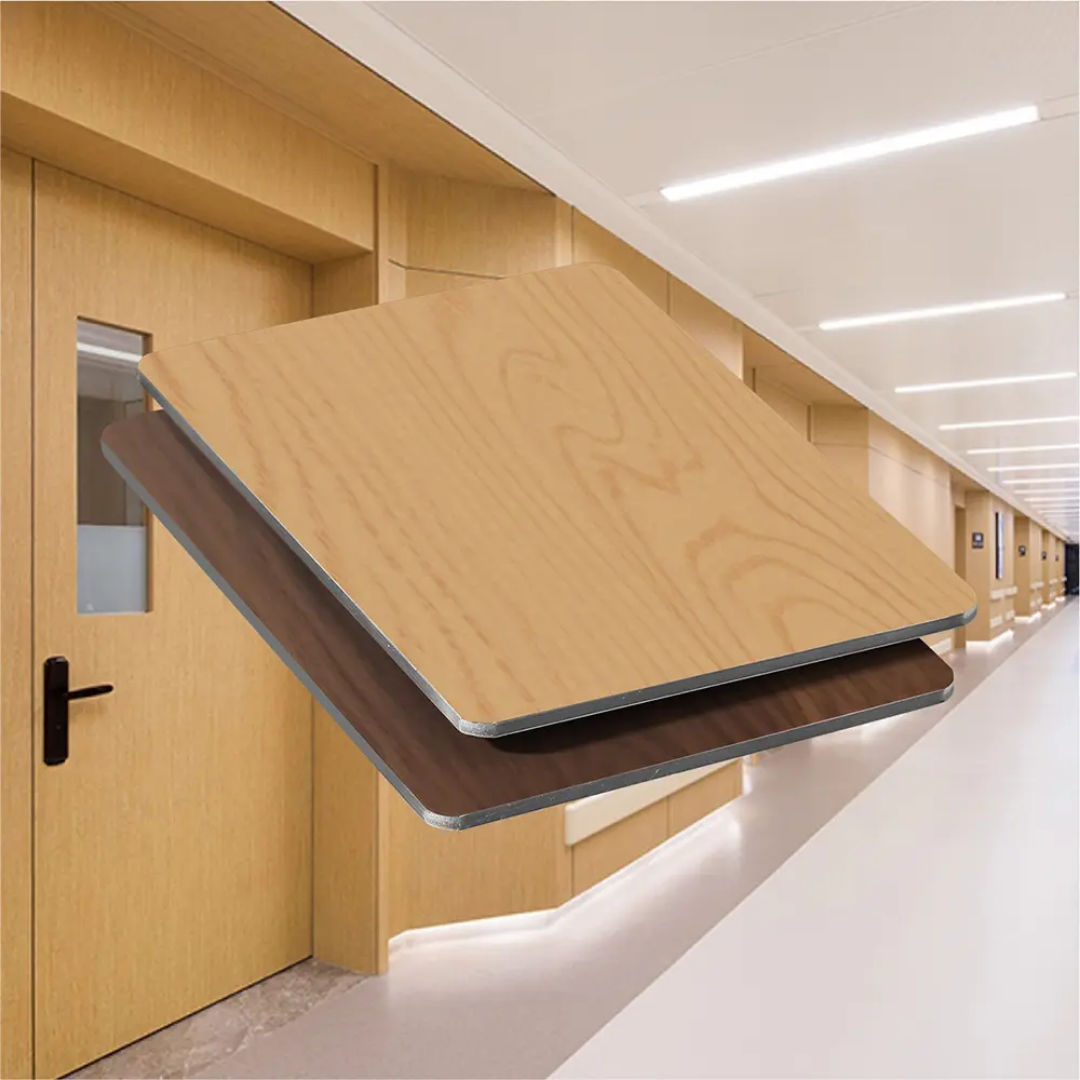
For procurement professionals, the quality of a finished aluminum composite panel (ACP) facade depends on far more than the material specifications. No matter how premium the PVDF coating, how precise the core formulation, or how robust the warranty, the outcome rests in the hands of the crew handling, cutting, folding, and installing every panel. A skilled crew transforms high-quality materials into flawless architecture. An untrained crew can turn the same materials into a patchwork of scratches, misaligned joints, delaminated edges, and costly rework.
Investing in comprehensive crew training is not an expense—it is a risk mitigation strategy that directly impacts project timelines, material waste, safety records, and client satisfaction. This guide provides a structured framework for training your team in the essential skills of ACP handling and fabrication, from receiving and storage through final installation.
Part One: Why Training Your Crew Matters
The High Cost of Untrained Labor
Untrained handling is the leading cause of ACP damage. Aluminum surfaces scratch easily; polyethylene and mineral cores deform under improper stacking; protective films degrade when exposed to prolonged sunlight; and edges delaminate when cut with dull blades or excessive force. Each damaged panel represents not only the cost of replacement but also project delays, expedited shipping fees, and reputational harm.
Beyond material damage, untrained crews pose safety risks. ACP fabrication involves sharp cutting tools, power equipment, heavy lifting, and working at heights. Inadequate safety training leads to workplace injuries, lost labor hours, and regulatory violations.
The Business Case for Structured Training
Benefit | Impact |
Reduced material waste | Lower replacement costs; higher project margins |
Faster installation | Fewer errors; less rework; shorter project timelines |
Improved safety | Fewer injuries; lower insurance premiums; regulatory compliance |
Enhanced quality | Consistent, professional finishes; satisfied clients |
Workforce retention | Skilled workers are more engaged and less likely to leave |
As noted in the SAF Panel Fabrication Course, proper training covers all aspects of fabricating ACM panels, including hands-on instruction on how to rout, rivet, seal, and fasten composite panel systems together.
Part Two: Phase 1 – Receiving, Storage, and Material Handling
1. Receiving Inspection
Training begins at the loading dock. Every shipment must be inspected before acceptance.
Key Training Points:
- Visual inspection: Check each panel for scratches, dents, delamination, or protective film damage. Document findings with photos.
- Quantity verification: Count panels against the packing list; confirm dimensions and colors match the purchase order.
- Packaging integrity: Verify that wooden crates or pallets are intact and that protective films are properly applied.
- Immediate reporting: Document any discrepancies or damage on the delivery receipt before signing.
ACPs that have been properly packed in wooden crates or pallets with sufficient padding materials such as foam or cardboard between each panel are far less likely to arrive damaged.
2. Storage Protocols
Improper storage degrades panels before installation begins. Crews must understand correct storage conditions.
Key Training Points:
Parameter | Specification |
Environment | Dry, ventilated area; ambient temperature not higher than 70°C; avoid water accumulation |
Stacking | Panels must be laid flat; stacking height should not exceed 15 layers |
Layer separation | Separate layers with 50×50mm wooden squares spaced ≤800mm to prevent gravity deformation |
Protection | Keep away from direct sunlight; UV exposure degrades protective film and can cause fading |
Outdoor storage | Open-air storage for more than 24 hours is prohibited |
When storing ACPs, stack them flat and make sure they‘re supported evenly. Avoid stacking them in a way that puts too much pressure on one part of the panel.
3. Safe Lifting and Moving
Large ACP sheets are cumbersome and vulnerable to bending or edge damage during movement.
Key Training Points:
- Lifting technique: Always lift from all four sides simultaneously. Never drag a panel by one side, as this scratches the surface[reference:3].
- Mechanical assistance: Use forklifts or cranes with padded forks for large or heavy panels. The forks of the forklift should be padded to avoid scratching the panels.
- Team lifting: For oversized panels, use multiple crew members to distribute weight and maintain flatness.
- Carrying position: Carry panels in a flat position to avoid bending or warping. Do not carry vertically unless panels are secured.
- Proper lifting technique: Maintain a straight back and bend at the knees when lifting; keep the load close to the body; avoid twisting movements while holding panels.
Part Three: Phase 2 – Cutting and Fabrication Techniques
1. Saw Cutting
Cutting is the most frequent fabrication operation. Clean, accurate cuts prevent edge damage and ensure proper panel fit.
Blade Selection: For best results, it’s essential to use carbide-tipped (TCT) blades with a triple chip grind (TCG) tooth profile, which ensures smooth, chip-free edges.
Cutting Parameters: The cutting speed should be moderate—too fast can cause burning or melting of the core material, while too slow can dull the blade quickly.
Surface Protection: Always support the panel properly to prevent vibration or shifting during cutting. Avoid cutting on overhanging edges that can cause the ACP to tip or break. If you need to cut a large sheet, use a long straight edge or guide to keep the saw straight.
Edge Finishing: After cutting, sand the edges with fine-grit sandpaper or an abrasive pad to remove any burrs or sharp edges.
Tool-Specific Guidance:
Tool | Application | Application |
Circular saw | Straight cuts | Use a fine-toothed blade; moderate speed; guide rail required |
Jigsaw | Curved or intricate cuts | Fine-toothed blade; steady feed rate |
CNC router | Precision cutting, mass production | Computer-controlled accuracy; ideal for large-scale projects |
Hand router | On-site fabrication | Carbide-tipped bits; proper speed control |
2. Grooving and Routing for Folding
The rout-and-return method is the industry standard for creating folded panel cassettes.
The Technique: A V-shaped groove is routed on the reverse side of the panel using a disk or end milling cutter. This technique enables a fabricator to produce shapes of various kinds and sizes.
Grooving Parameters: When grooving, use a round head or ≥90-degree V-shaped flat saw blade or milling cutter to make grooves. A 0.2-0.3mm thick plastic core should be left together with the panel to bend the edge to increase strength and toughness.
For 90° bends: A 110° grooving angle is recommended, with the core material thickness reduced to approximately 0.2–0.4mm at the base of the groove.
Work Area Preparation: During routing, the floor or base should be flat and free from foreign particles (use a vacuum cleaner) to avoid denting or bending of ACP sheets.
CNC vs. Hand Routing: Using a computerized CNC machine for routing or grooving is recommended to ensure accuracy and efficiency. For on-site fabrication, hand routing machines with carbide tip cutting tools can be used.
3. Folding and Bending
Once grooved, panels must be folded correctly to maintain structural integrity.
Folding Tools: Grooved panels should be folded with a Folding Jig, Plate Punch, or Press Brake. The grooved panels should only be folded up on a levelled table to secure a straight line on the folded corners.
Technique: Apply force evenly when bending the edge. Do not bend repeatedly, the aluminum panel will break.
Curved Surfaces: When used for curved surface decoration, do not attempt it in one step. The bending radius should be greater than 30cm. Use bending equipment and apply force slowly so that the plate gradually reaches the required curved surface.
Corner Assembly: Panel units are stiffened by riveting the corners with aluminum angles. Pre-punched aluminum clip angles are attached to the returned pan edges at approximately 305mm intervals to transfer wind loads into structural supports.
4. Fastening and Riveting
Proper fastening prevents panel deformation and ensures long-term attachment.
Rivet Selection: When working with ACPs, use aluminum blind rivets for junctions. Stainless steel bolts and nuts should be utilized while fixing works must be progressed from the same direction.
Torque Control: Self-tapping screws should be made of 316 stainless steel, and the torque should be controlled at 1.5-2.0N·m. Overload will cause the plate to collapse and deform.
Step-by-Step Fastening: Rivet installation should follow a step-by-step construction method: pre-tighten to 70% strength first, and then fully tighten after 24 hours.
Part Four: Phase 3 – Installation Best Practices
1. Substrate Preparation
Before any panel is installed, the supporting surface must be ready.
Key Training Points:
- Clean and dry surface: Ensure the wall surface is clean, dry, and flat. Any debris or unevenness on the surface can affect the adhesion of the panel and its overall performance.
- Mark guidelines: Use a laser level or chalk lines to mark the installation layout on the structure.
- Subframe installation: ACPs are typically mounted on a metal subframe (aluminum or galvanized steel). Ensure proper spacing between vertical and horizontal support members.
2. Expansion Gap Management
Aluminum expands and contracts with temperature changes. Failing to leave space between panels can cause buckling or warping.
Key Training Points:
- Gap specification: Leave a small expansion gap—typically 3–5 mm—between panels.
- Joint design: Horizontal joint width 4-6mm, vertical joint width 3-5mm, joint depth ≥8mm. For high-temperature environments, a three-dimensional adjustable hanger system allowing displacement compensation of ±5mm is recommended.
- Rout and Return joints: Must be a minimum of 16mm wide to ensure smooth thermal movement. Aluminum clip angles at fastener connection points must have slotted holes for natural thermal movement.
3. Fixing Methods
Method | Description | Best For |
Visible fixing (mechanical) | Panels fixed using screws or rivets through the face; use color-matched caps | Standard applications |
Concealed fixing (cassette system) | Panel edges folded to create a cassette clipped onto a system; screw-free finish | High-end façades |
4. Sealing and Finishing
- Sealant application: Use silicone or polyurethane sealant between joints for waterproofing.
- Protective film removal: Remove protective films only after installation is complete. The protective film should be removed within 45 days after installation to prevent aging; otherwise, glue may remain when the film is removed after a long time.
- Cleaning: If the panel surface is contaminated during construction, clean with a neutral detergent. Avoid using strong acid or strong alkaline detergents that can damage the panel surface.
Part Five: Safety Training
1. Personal Protective Equipment (PPE)
Safety gear is non-negotiable for any crew handling ACPs.
PPE | Purpose |
Safety glasses or goggles | Protect eyes from flying debris, dust, and chemical splashes |
Gloves | Shield hands from sharp edges, cuts, and chemical exposure |
Hard hat | Safeguard the head from falling objects |
Respirator mask | Prevent inhalation of aluminum dust and fumes |
Steel-toed boots | Protect feet from heavy objects |
High-visibility vest | Ensure visibility on construction sites |
Wearing the right gear is non-negotiable: gloves prevent cuts and abrasions; goggles shield eyes from flying debris; face masks protect against inhalation of aluminum dust and fumes.
2. Workspace Safety
A clean, organized, and well-ventilated workspace minimizes risks. Ensure proper lighting, maintain clean floors to prevent slips, and use dust extraction units or industrial fans to remove airborne particles.
3. Tool Safety
- Use sharp blades and bits—dull tools cause overheating and material damage
- Follow manufacturer speed and feed recommendations
- Never bypass safety guards on cutting equipment
- Disconnect power before changing blades or bits
Part Six: Certification and Ongoing Training
Formal Training Programs
Several organizations offer structured training for ACP fabrication and installation:
Program | Focus | Format |
SAF Panel Fabrication Course | Hands-on training in routing, riveting, sealing, and fastening ACM panels | In-person (California or Georgia facilities) |
NRCA ProCertified® Metal Panel Roof Systems Installer | Certification for metal panel roof systems | Assessment-based certification |
Alucoil North America ACM/MCM Training | Overview from manufacture to long-term performance | Online course |
The SAF Panel Fabrication Course offers hands-on training on how to rout, rivet, silicon, and fasten the composite panel systems together, with attendees receiving a certificate of completion.
Manufacturer-Specific Training
Many ACP manufacturers offer training programs specific to their panel systems. For fire-retardant ACPs, crews should follow the manufacturer's guidelines for recommended torque settings for fasteners and proper adhesive application techniques.
On-Site Refresher Training
Regular on-site training sessions reinforce proper techniques and address emerging issues:
- Quarterly safety briefings
- Pre-project fabrication reviews
- Post-incident retraining
- Tool maintenance workshops
Part Seven: Building a Training Culture
Documentation and Tracking
- Maintain training records for each crew member
- Track certification expiration dates
- Document incident reports and corrective actions
Quality Audits
Conduct regular quality inspections of fabricated panels to identify training gaps:
- Edge finish quality
- Groove depth consistency
- Fold accuracy
- Fastener torque consistency
Continuous Improvement
- Collect feedback from installation crews
- Update training materials based on field experience
- Share best practices across project teams
Conclusion
Training your crew to handle and fabricate aluminum composite panels is not a one-time event but an ongoing investment in quality, safety, and profitability. From proper lifting techniques that prevent scratches to precise V-grooving that ensures clean folds, every skill your crew masters reduces waste, accelerates installation, and elevates the final appearance of the facade.
For procurement professionals, the implications are clear: specify that installation contractors maintain certified, trained crews. Include training verification in bid requirements. Budget for ongoing skill development. And recognize that the most cost-effective panel purchase is worthless if the crew installing it lacks the expertise to handle it correctly.
When your crew is fully trained, your panels arrive at the jobsite and leave it in the same condition—pristine, precise, and ready to deliver the architectural vision you specified.