Welcome to Vbond
Why Substrate Preparation Matters for Aluminum Composite Panel Installation
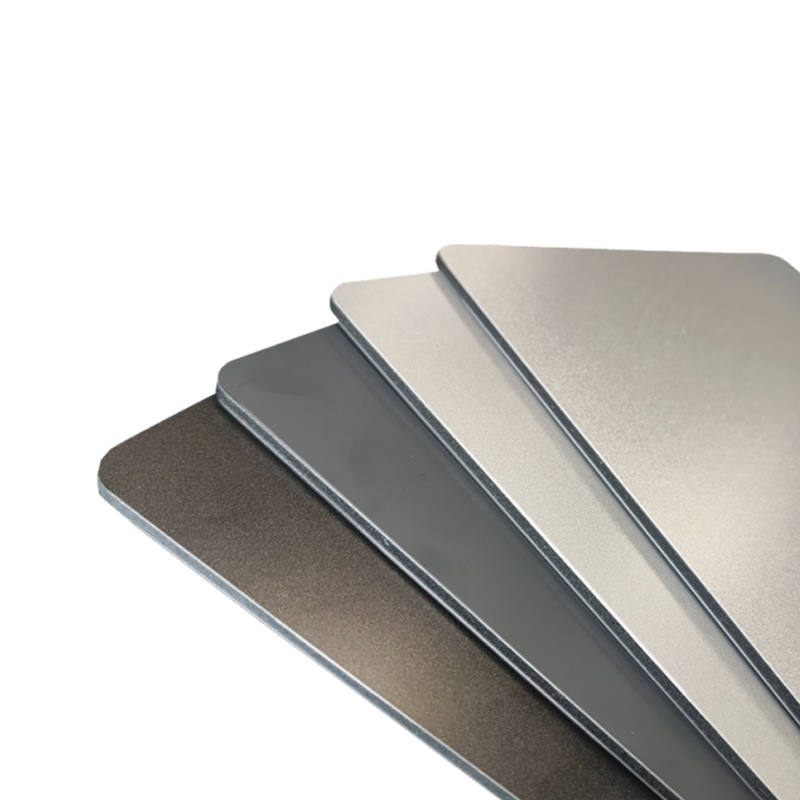
For procurement professionals, the allure of aluminum composite panels (ACPs) is undeniable: lightweight, durable, weather-resistant, and available in virtually any color or finish. However, even the most premium PVDF-coated panel with a mineral-filled A2 core will fail prematurely if the surface beneath it—the substrate—is not properly prepared.
Substrate preparation is the single most overlooked factor in ACP installation. It directly determines whether a facade remains flat and flawless for decades or develops waviness, delamination, water infiltration, and structural failure within months. More critically, improper substrate preparation is one of the most common reasons manufacturers void warranties, leaving building owners to bear the full cost of replacement.
This article explains why substrate preparation is the foundation of successful ACP installation, the specific consequences of inadequate preparation, and the exact steps procurement professionals should specify to protect their investment.
The Fundamental Role of the Substrate
The substrate is the underlying surface to which ACP panels are attached—concrete, masonry, wood, metal, or gypsum board. For ACPs to perform as designed, the substrate must be clean, flat, stable, dry, and compatible with aluminum. This is not a suggestion; it is a technical requirement rooted in material science.
ACPs are composite structures: two thin aluminum skins bonded to a core, typically polyethylene (PE) or mineral-filled material. The panels themselves are rigid but thin. They do not have the structural mass to bridge gaps, absorb unevenness, or resist forces transmitted from a moving or deteriorating substrate. The substrate must provide a continuous, uniform bearing surface. When it does not, the panel is forced to conform to irregularities—and aluminum, being relatively soft, will distort rather than resist.
A well-prepared substrate ensures that the ACP lies flat and seamless, maintaining the sleek, modern look that architects desire. Any underlying surface imperfections will telegraph through the panel, detracting from the final appearance[reference:0]. Without a clean, stable base, issues like adhesion failure or corrosion can compromise the panel‘s integrity, leading to costly repairs in large-scale applications.
The Visible Consequence: Oil Canning and Panel Waviness
The most immediate and visible consequence of poor substrate preparation is oil canning—the visible waviness or rippling that occurs on the surface of ACP sheets. Oil canning is a surface defect that is more pronounced in large, flat areas of the facade and can be caused by thermal expansion, material properties, and, critically, installation techniques.
When a substrate is uneven, the ACP panel is forced to conform to its irregularities. The resulting internal stresses manifest as localized buckling or wrinkling on the surface, giving rise to the characteristic waves associated with oil canning. This compromises the smooth and sleek appearance of the ACP sheets, leading to an uneven and unattractive facade.
Oil canning is not merely cosmetic. Waviness in the panels can lead to stress concentrations, potentially affecting the structural integrity of the cladding system over time[reference:6]. A building with visible oil canning may convey a perception of poor craftsmanship or low-quality materials, which is especially detrimental in commercial or high-profile projects where the image of the structure reflects the reputation of the stakeholders involved.
To prevent oil canning, PRANCE recommends using a minimum 4 mm panel thickness and adding stiffening ribs or embossed beads for rigidity[reference:8]. However, no amount of panel reinforcement can compensate for an uneven substrate. Joint spacing and clip placement also influence flatness, with reveal widths typically kept to no greater than 8 mm and anchor clips installed at regular intervals—approximately every 400 mm—to distribute loads evenly.
The Structural Risk: Deformation and Bulging
Panel deformation or bulging is another common issue in ACP projects. In many cases, this is not caused by the ACP panel itself but by the base structure used behind the panels. Some contractors use wood boards or high-density boards as the base structure, which can deform when exposed to moisture and temperature changes.
For outdoor ACP installations, it is far better to use galvanized steel frames, aluminum profiles, or anti-rust steel structures. These materials provide better stability and long-term structural reliability.
An uneven subframe or improperly aligned support structures are also common causes of deformation. Taller buildings and high-wind environments require thicker aluminum skins to maintain rigidity. Flatness control during production is equally critical; manufacturers must strictly control panel flatness and thickness tolerance to ensure consistent performance. Early technical consultation helps contractors select suitable specifications before fabrication and installation begin.
The Hidden Threat: Water Infiltration and Core Degradation
Inadequate substrate preparation can trap moisture or debris, which may cause warping or mold growth behind the panels. Water infiltration is a serious problem that can lead to structural damage, mold growth, and corrosion of the ACP and the underlying building structure.
Improper sealing can also lead to water infiltration, which can cause the core material to break down and delaminate from the aluminum sheets. This can lead to the panels losing their structural integrity, creating potential fall risks for people in the area.
The water barrier in an exterior wall assembly is designed to limit exposure of the wall assembly to bulk rainwater and condensation, while the air barrier is intended to control the airflow between the outdoors and the interior conditioned space. ACM panels themselves are non-absorbent and water-resistant, but the assembly as a whole depends on proper substrate preparation to maintain its integrity.
For outdoor ACP installation, the substrate must be dry (with moisture content ≤10%), free from oil and dust, and properly leveled. If the substrate is uneven, it should be leveled using gypsum mortar or putty, then sanded smooth after drying. These steps are not optional—they are essential to preventing long-term moisture-related failures.
The Compatibility Risk: Galvanic Corrosion and Material Mismatch
When ACPs are installed over steel substrates or attached with incompatible fasteners, galvanic corrosion becomes a serious risk. Aluminum and steel are not fully compatible; when joined in the presence of an electrolyte (such as rainwater), the aluminum acts as an anode and corrodes preferentially. The rate of corrosion depends on which metals are mated and the environment; while coatings can help, galvanic action will eventually occur and cause some form of blemish.
The best solution to this type of corrosion is to provide an insulation barrier between the two dissimilar metals. This means using non-conductive gaskets, coatings, or separators wherever aluminum panels contact steel substrates or fasteners.
Beyond galvanic concerns, the substrate must be structurally sound and compatible with aluminum. The aluminum PVDF coating provides exceptional resistance to UV rays, chemicals, and extreme temperatures, but this property means that surface preparation must account for environmental factors to ensure the coating adheres properly. Surfaces should be free of contaminants like oil or dust that could interfere with the bond, allowing the panel to withstand decades of exposure without fading or degradation.
The Warranty Void: When Improper Substrate Preparation Terminates Coverage
Perhaps the most compelling reason for procurement professionals to enforce rigorous substrate preparation standards is warranty protection. Almost all ACP warranties contain explicit language stating that coverage is void if the product is not installed in strict accordance with the manufacturer‘s written installation instructions.
Warranties typically exclude coverage for problems caused by improper installation methods, covering only installations done in accordance with the handling instructions provided. This means that if substrate preparation does not meet manufacturer specifications—regardless of the quality of the panels themselves—the warranty will not apply.
Common warranty exclusions include damage caused by misuse, negligence, or operating conditions other than those for which the product was designed. An improperly prepared substrate that leads to panel deformation, water infiltration, or delamination falls squarely within these exclusions.
For procurement professionals, this means that specifying high-quality panels is only half the equation. The other half—ensuring that the substrate is prepared to manufacturer standards—is what preserves warranty coverage and protects against financial liability.
The Procurement Checklist: Substrate Preparation Specifications
To ensure that substrate preparation does not become the weak link in your ACP installation, incorporate the following specifications into your procurement documents:
Cleanliness
- Require that the substrate surface be clean, dry, and free from any debris, dust, rust, oil, or other contaminants.
- Specify removal of any previous coatings, sealants, or debris, and repair of any cracks or damage before ACP application.
- Mandate that the surface be free of any residue that could interfere with adhesion.
Flatness
- Require that the substrate be level and even. If the substrate is uneven, use appropriate methods—such as gypsum mortar, putty, or self-leveling compounds—to level it before installing ACP panels.
- Specify maximum allowable flatness deviation (typically ≤3 mm over 2 meters for standard applications).
Structural Integrity
- Require that the substrate be stable and capable of supporting the panel’s weight and expansion without reacting adversely with aluminum components.
- For outdoor installations, specify galvanized steel frames, aluminum profiles, or anti-rust steel structures as the base. Avoid wood or high-density boards that can deform under moisture and temperature changes.
- Verify that the subframe is properly aligned and support structures meet manufacturer specifications.
Moisture Control
- Require that the substrate be dry, with moisture content not exceeding 10%.
- Specify installation of appropriate vapor barriers or waterproofing membranes where required by building codes or environmental conditions.
Compatibility
- Require that the substrate be compatible with aluminum to prevent galvanic corrosion. If dissimilar metals must be used, specify an insulation barrier between them.
- Specify corrosion-resistant fasteners and gaskets that are compatible with both the substrate and the ACP panels.
Priming
- Require application of a primer to the substrate to improve adhesion between the substrate and the ACP panels.
- Specify primers that provide excellent adhesion and corrosion resistance on the specific substrate material, whether aluminum alloys, steel, or composites.
The Inspection Protocol
Before any ACP panel is installed, the following inspections:
- Surface Inspection: Identify moisture patches, weak plaster, or uneven surfaces.
- Alignment Verification: Verify alignment and plumb of the wall or frame.
- Debris Removal: Remove any debris or dust from the surface.
- Flatness Check: Check for uneven surfaces that may affect panel installation.
These inspections should be documented with dated photographs and signed reports. This documentation serves as evidence of compliance in the event of a warranty claim.
Conclusion
Substrate preparation is not a preliminary detail to be rushed or delegated to the lowest bidder. It is the structural and aesthetic foundation upon which every ACP facade depends. A perfectly flat panel cannot hide an uneven substrate. A premium PVDF coating cannot prevent water infiltration through an improperly sealed joint. A comprehensive warranty will not cover damage caused by installation errors.
For procurement professionals, the message is clear: specify substrate preparation with the same rigor you apply to panel selection. Require cleanliness, flatness, structural integrity, moisture control, and material compatibility. Document inspections. Verify compliance. And remember that the most cost-effective panel purchase in the world is wasted if the surface beneath it is not prepared to receive it.
When the substrate is right, the panels will follow—flat, secure, weathertight, and warrantied for decades to come.