Welcome to Vbond
10 Questions You MUST Ask Your ACP Supplier Before Placing an Order
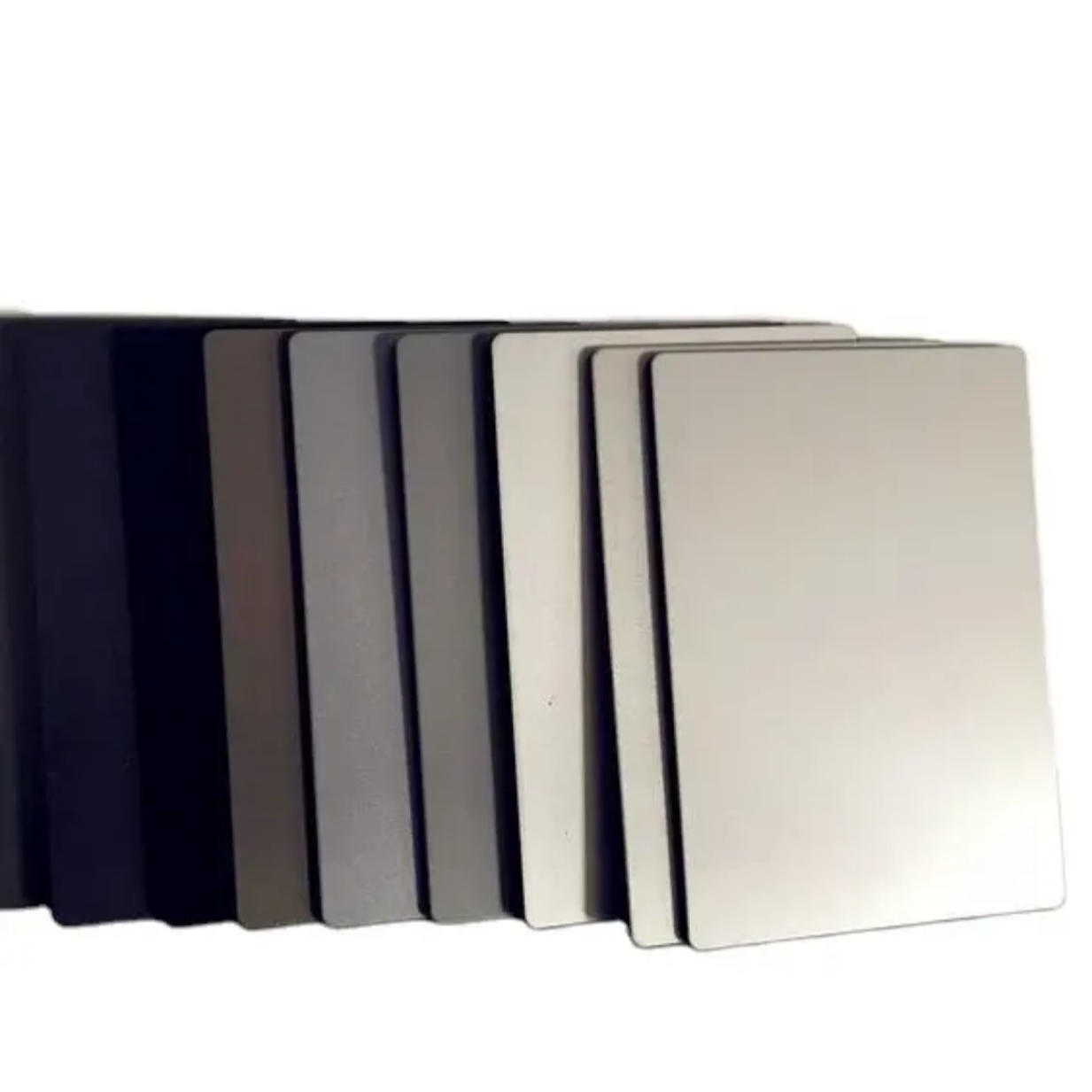
Choosing the right Aluminum Composite Panel (ACP) supplier is a critical decision that impacts the safety, durability, aesthetics, and cost-effectiveness of your project—whether it's a sleek façade, an interior feature wall, or durable signage. Not all ACP suppliers are created equal, and asking the right questions upfront can save you from costly delays, compliance issues, and performance failures.
This guide outlines the 10 essential questions you must ask to vet your ACP supplier thoroughly, ensuring you receive a high-quality product that meets your specifications and regulatory standards.
1. What is the Core Material Composition and Fire Safety Rating?
Why it’s crucial: The core material (typically polyethylene/PE, mineral-filled, or fire-resistant) determines the panel's fire performance. Post-Grenfell regulations have made this a non-negotiable priority.
Ask for: Certified test reports from accredited laboratories (e.g., NFPA 285, EN 13501-1 Class, BS 8414). For projects in high-risk areas, insist on A2 or B1 fire-rated cores. Confirm the supplier understands your local building codes.
2. Can You Provide Full Material Traceability and Compliance Certificates?
Why it’s crucial: This validates the supplier’s claims and ensures product legitimacy.
Ask for: Mill certificates for the aluminum coils, certificates for the coatings (e.g., PVDF, FEVE), and full compliance certificates for the finished panels (ISO 9001, ISO 14001). Traceability from raw material to finished product is key to accountability.
3. What is the Coating Type, Thickness, and Warranty?
Why it’s crucial: The coating protects against fading, chalking, and corrosion, defining the panel's lifespan and appearance.
Ask for: Details on coating brand (e.g., Kynar 500/Hylar 5000 PVDF), standard thickness (minimum 25 microns is recommended for exterior use), and a written warranty against fading and chalking (often 10-25 years).
4. What is Your Manufacturing Tolerance and Quality Control Process?
Why it’s crucial: Tight tolerances ensure consistency in thickness, flatness, and color for seamless installation.
Ask for: Their specific tolerance standards (e.g., panel thickness +/- 0.1mm). Inquire about in-process quality control checks and if they offer pre-shipment inspection reports.
5. What Range of Finishes, Colors, and Customization Do You Offer?
Why it’s crucial: You need a supplier who can match your design vision accurately and consistently.
Ask about: Standard color palettes, availability of digital printing, metallic finishes, wood/marble reproductions, and custom color matching capabilities. Request physical samples for evaluation.
6. What is Your Lead Time and Supply Chain Reliability?
Why it’s crucial: Project delays are expensive. You need a reliable timeline.
Ask: "What is the current lead time from order confirmation to shipment?" Probe their capacity to handle your order volume and their on-time delivery track record. Understand their logistics partners.
7. What Technical and After-Sales Support Do You Provide?
Why it’s crucial: Proper installation is key to performance. A good supplier acts as a partner.
Ask: Do you provide detailed technical data sheets (TDS), material safety data sheets (MSDS), and recommended installation guidelines? Is after-sales support available for on-site queries?
8. How Do You Handle Packaging and What are the Shipping Terms?
Why it’s crucial: Improper packaging leads to damaged goods and rejects on-site.
Ask: For details on packaging methods (edge protectors, wooden crates) and shipping terms (Incoterms like FOB, CIF). Clarify who is responsible for insurance and damages during transit.
9. What are the Total Costs, Including All Associated Fees?
Why it’s crucial: To avoid unexpected costs and compare suppliers accurately.
Ask for: A detailed breakdown of costs—unit price, tooling charges for custom shapes, packaging, shipping, insurance, and any potential duties or tariffs. Ensure you understand the payment terms.
10. Can You Provide References or Case Studies from Similar Projects?
Why it’s crucial: A supplier’s past performance is the best predictor of your experience.
Ask for: Contactable references from projects in your region of a similar scale and type. Look for case studies that demonstrate their capability and reliability over time.
Conclusion: Partner with Confidence
Placing an order for ACPs is a significant investment. By asking these 10 critical questions, you move from being a passive buyer to an informed partner. You mitigate risk, ensure regulatory compliance, and secure a product that delivers on performance, aesthetics, and value. A reputable supplier will welcome these questions, providing transparent, detailed answers and the necessary documentation. Don’t settle for vague promises—demand clarity and proof to ensure your project’s success from the ground up.






