Welcome to Vbond
5 Common Problems with ACP Cladding and How to Fix Them
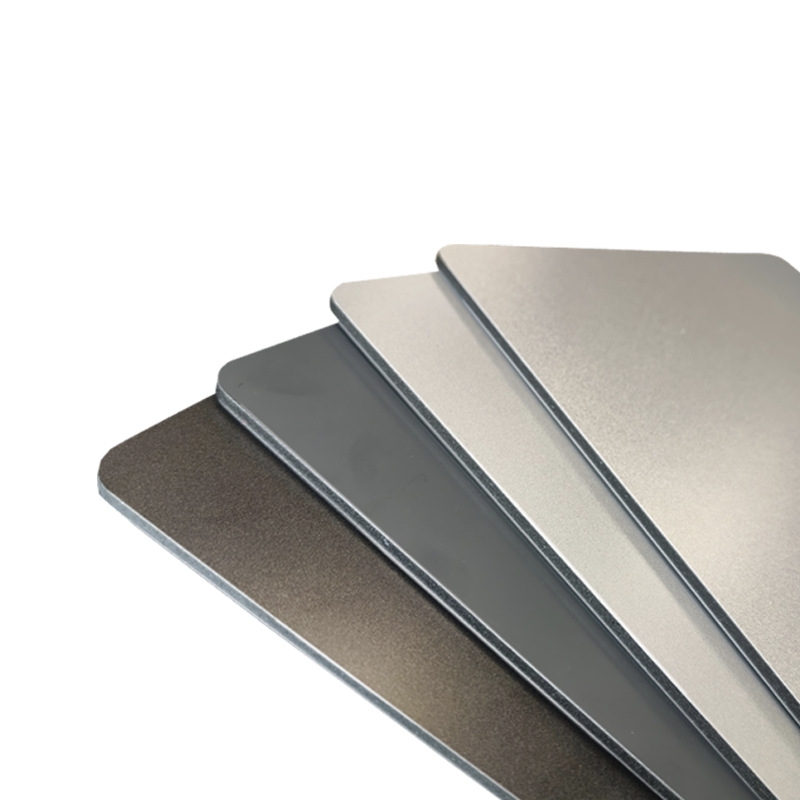
Aluminum Composite Panels (ACP) have become a dominant force in modern construction and architectural cladding, prized for their lightweight nature, design flexibility, and cost-effectiveness. However, like any building material, ACP systems are not without their potential challenges. Improper selection, installation, or maintenance can lead to issues that compromise performance, aesthetics, and safety. This professional guide diagnoses five common problems encountered with ACP cladding and provides actionable, expert-recommended solutions to ensure your facade remains durable, safe, and visually stunning for decades.
Problem 1: Panel Delamination and Core Separation
The Issue:
Delamination is the separation of the two aluminum skins from the thermoplastic core (typically polyethylene or a fire-retardant mineral core). This can manifest as bubbling, bulging, or a hollow sound when the panel is tapped. It is often caused by:
UV Radiation and Thermal Cycling: Prolonged exposure to extreme temperature fluctuations and UV rays can weaken the bond.
Moisture Ingress: Water seepage into the panel edges, especially if not properly sealed, can degrade the core and adhesive.
Use of Non-Compatible Materials: Low-quality cores or adhesives.
The Professional Fix:
1. Prevention through Specification: Always specify A2 or B1 fire-rated ACP panels with a mineral core. These cores are inherently more stable and bonded under high pressure, offering superior resistance to delamination compared to standard PE cores.
2. Proper Edge Sealing: During installation, ensure all cut edges and joints are meticulously sealed with high-quality, flexible polyurethane sealants compatible with aluminum and the panel core. This creates a moisture barrier.
3. Repair Protocol: For isolated delamination, the affected panel section must be replaced. Temporary fixes are not recommended as they can trap moisture and exacerbate the problem.
Problem 2: Surface Denting and Impact Damage
The Issue:
The aluminum outer skins, while durable, are relatively thin (typically 0.2-0.5mm). This makes them susceptible to denting from accidental impact during construction, maintenance, or vandalism.
The Professional Fix:
1. Choose a Thicker Gauge: For high-traffic areas or lower sections of a facade, specify ACP with a 0.5mm aluminum skin instead of the standard 0.3mm or 0.4mm. The added thickness significantly improves impact resistance.
2. Protective Films: Insist that the factory-applied protective film remains on the panels throughout the installation process and is only removed after all other trades have completed their work.
3. Dent Repair: Minor dents can sometimes be carefully smoothed out by a specialist using professional tools, though color matching of the PVDF/PVDF paint finish can be a challenge. For visible damage, panel replacement is the most reliable solution.
Problem 3: Color Fading and Chalking
The Issue:
Over time, low-quality ACP panels with inferior paint coatings can experience UV degradation, leading to color fading, loss of gloss, and a chalky white residue on the surface (chalking). This severely affects the building's appearance.
The Professional Fix:
1. Invest in Premium Coatings: Specify panels with a 70% PVDF (Kynar 500/Hylar 5000) resin-based coating. This industrial-grade coating offers exceptional resistance to UV rays, chemicals, and pollution, maintaining color consistency and gloss for over 20-30 years.
2. Regular Cleaning: Implement a bi-annual cleaning regimen using neutral pH cleaners and soft cloths or sponges. This removes environmental contaminants that can accelerate coating breakdown.
3. Avoid Abrasives: Never use abrasive pads, steel wool, or harsh chemical cleaners, as they will permanently damage the coating.
Problem 4: Oil Canning (Visual Waviness)
The Issue:
Oil canning is a perceived waviness or distortion visible on broad, flat areas of metal cladding. It is not a structural defect but an aesthetic one, caused by:
Thermal Expansion/Contraction: Aluminum expands and contracts with temperature changes.
Residual Stresses: From the coil coating, manufacturing, or improper handling.
Inadequate Substrate Support: Gaps between the panel and its backing frame.
The Professional Fix:
1. Design to Minimize: Choose ACP with a stucco, brushed, or embossed finish** rather than a high-gloss smooth finish. Textured surfaces effectively mask minor waviness.
2. Proper Subframing and Installation: Ensure the supporting subframe is rigid, flat, and installed at the correct spacing (as per the manufacturer's Engineering Technical Data Sheet). Panels must be fixed using the recommended method (e.g., rout and return, cassette) to allow for thermal movement without stress.
3. Use of Anti-Oil Canning Strips: Some manufacturers offer subframe accessories designed to provide continuous support across the panel back, minimizing the appearance of waviness.
Problem 5: Water Leakage and Moisture Management
The Issue:
Improperly designed or installed ACP systems can allow water penetration behind the cladding, leading to corrosion of the subframe, mold growth, and damage to interior walls. This is often a failure of the joint details and sealants.
The Professional Fix:
1. Pressure-Equalized Rainscreen Principle: Design the ACP facade as a drained and ventilated rainscreen system. This involves creating an air cavity behind the panels that allows for drainage and pressure equalization, preventing water from being driven inward.
2. Masterful Detailing: Follow manufacturer-approved details for horizontal and vertical joints, corners, and penetrations. Use properly installed continuous drainage tapes, weep holes, and vapor-permeable but water-resistant membranes.
3. Sealant Maintenance: Implement a scheduled inspection (every 2-3 years) of all sealant joints. Re-caulk with compatible sealants at the first sign of cracking, shrinkage, or loss of adhesion.
Conclusion: Proactive Specification is Key
The most effective solution to these common ACP cladding problems begins long before installation. It starts with partnering with reputable ACP suppliers who provide full technical documentation, including Fire Performance Certifications and Extended Warranties for their coatings and panels. By specifying high-quality materials, insisting on expert installation by certified professionals, and committing to a simple maintenance plan, you can fully leverage the benefits of ACP while ensuring a resilient, safe, and beautiful building envelope that stands the test of time.