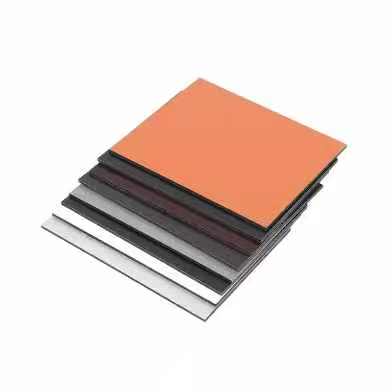
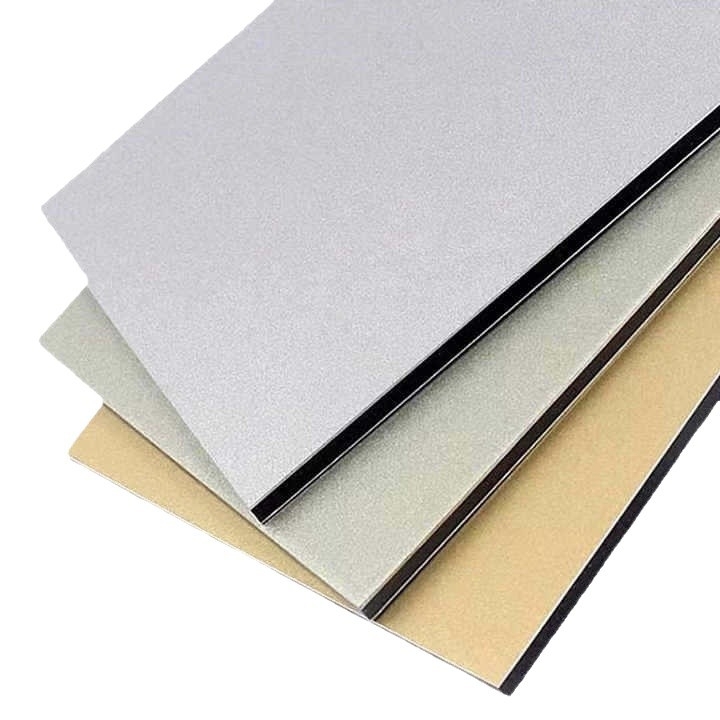
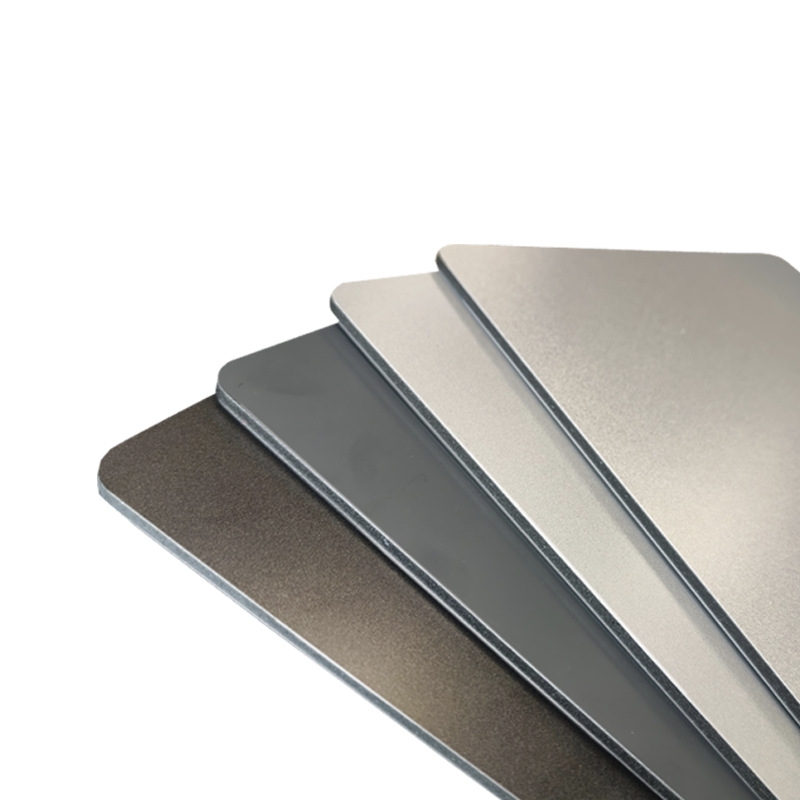
Welcome to Vbond
5-Minute Water Boil Test: Check ACP Lamination Quality in the Field
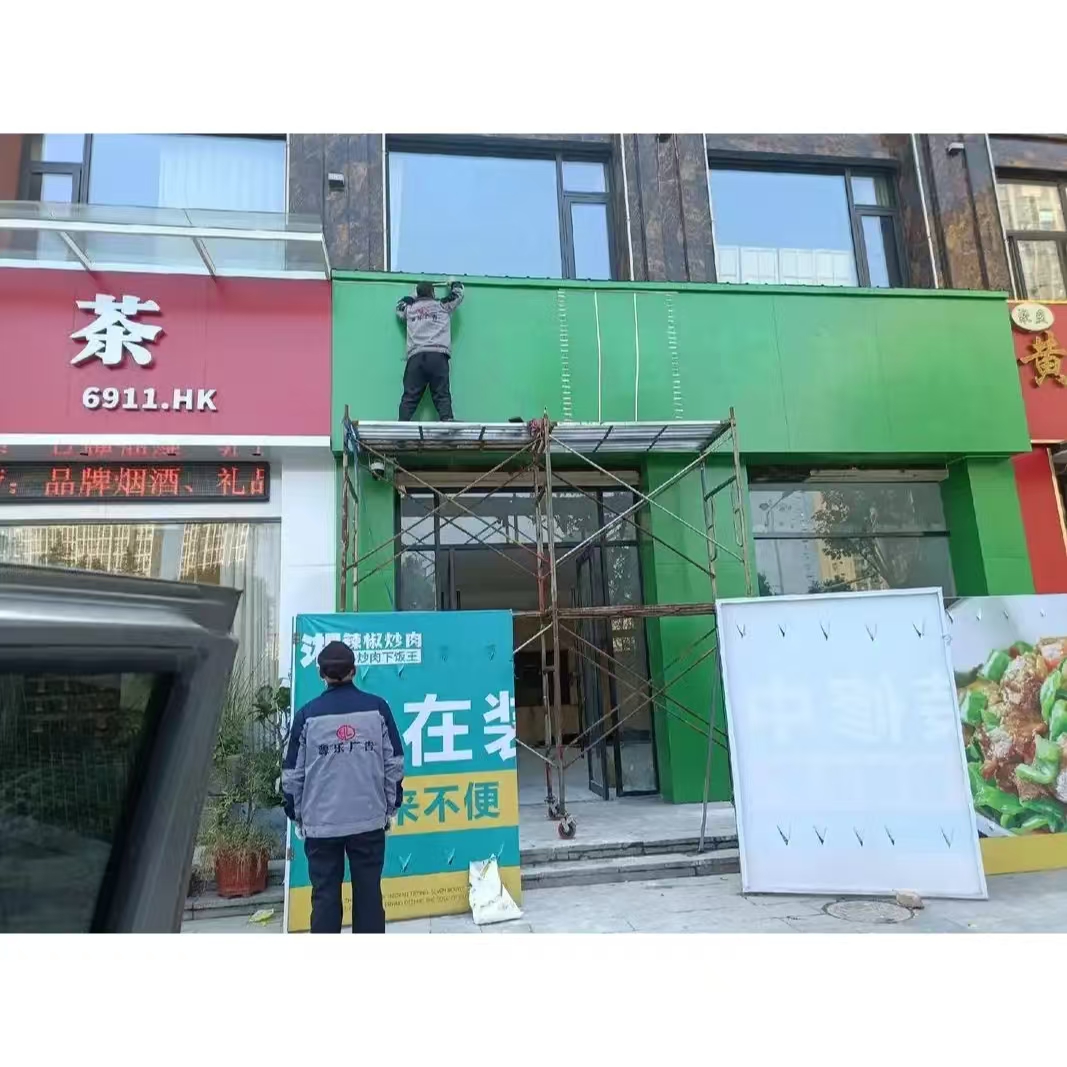
You have just received a container shipment of aluminum composite panels. The price was competitive, the delivery was on time, and the visual inspection looks clean. But how do you know the lamination will last?
Hidden beneath the pristine surface is the most critical component of any ACP: the bond between the aluminum skins and the core. A weak bond may look fine for weeks or even months. Then, suddenly, delamination begins—bubbles appear, edges separate, and an entire facade is compromised.
Laboratory testing is expensive and slow. But there is a fast, practical, and remarkably reliable field test that any quality professional can perform: The 5-Minute Water Boil Test.
This article explains what this test is, how to perform it correctly, and—most importantly—how to interpret the results so you can separate quality panels from future failures.
What Is the Water Boil Test?
The water boil test is an accelerated stress test that exposes the adhesive bond line of an aluminum composite panel to extreme heat and moisture. It simulates—in just five minutes—the aging effect that would otherwise take months or years of outdoor exposure.
The principle is simple: heat weakens adhesive bonds. Moisture penetrates microscopic gaps. When both are applied simultaneously, any substandard lamination will fail quickly and visibly.
This test is widely referenced in industry standards, including ASTM D3359 (adhesion testing), and is a recognized quality verification method among experienced ACP buyers in Asia, the Middle East, and Europe.
Why Five Minutes?
The five-minute duration is not arbitrary. It represents the threshold at which:
- Quality ACP (premium PVDF coating with polyethylene or FR core) will show no change.
- Marginal ACP (economy grade) may show minor bubbling or edge lifting.
- Defective ACP (counterfeit or poorly manufactured) will show complete delamination, blistering, or skin separation.
A panel that fails in five minutes would certainly fail within one to two years of real-world outdoor exposure. A panel that passes has demonstrated a baseline level of lamination integrity.
Materials You Will Need
The beauty of this test is its simplicity. No specialized equipment is required:
Item | Purpose |
A stove or portable gas burner | Heat source |
A pot large enough to submerge a sample | Water container |
Water (tap water is acceptable) | Test medium |
A small ACP sample (approx. 100mm x 100mm / 4" x 4") | Test specimen |
Tongs or heat-resistant gloves | Safe handling |
A stopwatch or phone timer | Accurate timing |
A white marker or scratch awl | Marking observation points |
Step-by-Step Test Procedure
Step 1: Prepare the Sample
Cut a small square (approximately 100mm x 100mm) from a corner of a full panel or from a scrap piece representative of the shipment. Mark a small "X" on the aluminum skin with a marker or light scratch. This helps you track the same area before and after testing.
Step 2: Bring Water to a Rolling Boil
Fill the pot with enough water to fully submerge the sample. Bring the water to a vigorous, rolling boil. The water temperature will be 100°C (212°F) at sea level.
Step 3: Submerge the Sample
Using tongs, carefully place the sample completely underwater. Ensure the entire piece is submerged, including all edges. Start your timer immediately.
Step 4: Wait Five Minutes
Allow the sample to boil for exactly five minutes. Do not stir or disturb it. The water should remain at a rolling boil throughout.
Step 5: Remove and Inspect
After five minutes, remove the sample with tongs. Place it on a clean, dry surface with the marked side facing up. Allow it to cool for 30 seconds (but do not wait longer—some changes reverse as the panel cools).
Step 6: Evaluate the Results
Inspect the sample for the following failure modes:
Observation | Interpretation | Verdict |
No visible change; surface remains flat and smooth | Strong adhesive bond; excellent lamination quality | PASS |
Minor edge lifting (<1mm) at cut edges only | Acceptable for interior or economy applications | MARGINAL |
Visible blisters or bubbles on the flat surface | Adhesive breakdown has begun | FAIL |
Aluminum skin can be peeled off by hand | Complete bond failure | REJECT SHIPMENT |
The core becomes soft or mushy | Core material is low-quality recycled content | REJECT SHIPMENT |
What the Test Does Not Tell You
While powerful, the five-minute water boil test has limitations. A passing result does not guarantee:
- UV resistance (coating quality requires a separate test, such as a xenon-arc weatherometer)
- Fire performance (FR core requires independent certification)
- Long-term creep resistance (load-bearing performance over decades)
However, a failing result is definitive. Any panel that delaminates, blisters, or softens in five minutes of boiling should be rejected immediately, regardless of price or certification claims.
Industry Benchmarks: What Good ACP Should Do
Based on testing thousands of ACP samples from manufacturers across China, Korea, Europe, and Turkey, here are real-world benchmarks:
Grade | Typical Price Index | Water Boil Test Result (5 min) |
Premium (AAMA 2605 certified) | 100% | No change; edge bond remains strong |
Standard (AAMA 2603 compliant) | 65–75% | No surface blisters; minor edge softening | 65–75% | No surface blisters; minor edge softening |
Economy (general signage) | 40–55% | Possible isolated blisters (<2mm) |
Counterfeit / Substandard | <35% | Blistering, skin peeling, or core collapse |
If you paid a premium price but the panel fails the boil test, you have received substandard material regardless of what the certificate says.
How to Use This Test in Procurement
As a buyer, you have leverage. Include the following clause in your purchase contract or quality agreement:
"The supplier agrees that random samples from each shipment shall pass a five-minute water boil test per the buyer's standard procedure. Any panel showing surface blistering, edge delamination, or core softening shall constitute a quality rejection. Rejected shipments shall be replaced at the supplier's sole cost, including freight."
Then, upon arrival:
1. Take three samples from three different panels in the shipment.
2. Perform the test before unloading the container if possible.
3. Photograph and video the process for documentation.
4. If any sample fails, invoke your contract clause immediately.
Common Questions from Procurement Professionals
Q: Does this test damage the panel?
A: Yes. The sample is destroyed. That is intentional—you are testing sacrificial pieces, not full panels.
Q: Can I use this test for fire-retardant (FR) core panels?
A: Yes, but be aware that some FR cores (mineral-filled) may absorb water more readily than polyethylene cores. The standard remains: no blistering or delamination.
Q: What if the panel passes the five-minute test but fails later?
A: A passing result is not a lifetime warranty. However, extensive field data shows that panels passing five minutes have significantly lower failure rates over 5–10 years compared to those that show any change.
Q: Can the supplier cheat the test?
A: Not easily. The test conditions (boiling water, five minutes) are extreme. A manufacturer cannot temporarily "improve" a weak bond to withstand this test without fundamentally improving the lamination process.
Conclusion: Trust But Verify
The global ACP market has a wide range of quality. Premium manufacturers produce panels that last 20+ years. Substandard factories produce panels that delaminate before the building is completed. The price difference is often small, but the consequences of failure are enormous.
The five-minute water boil test is your field-level quality check. It costs nothing, takes almost no time, and provides definitive evidence of lamination quality. No laboratory required. No waiting. No ambiguity.
Add this test to your receiving inspection protocol. Your future self—and your building's facade—will thank you.