Welcome to Vbond
7 Innovative Applications of Aluminum Composite Panels You Need to Know
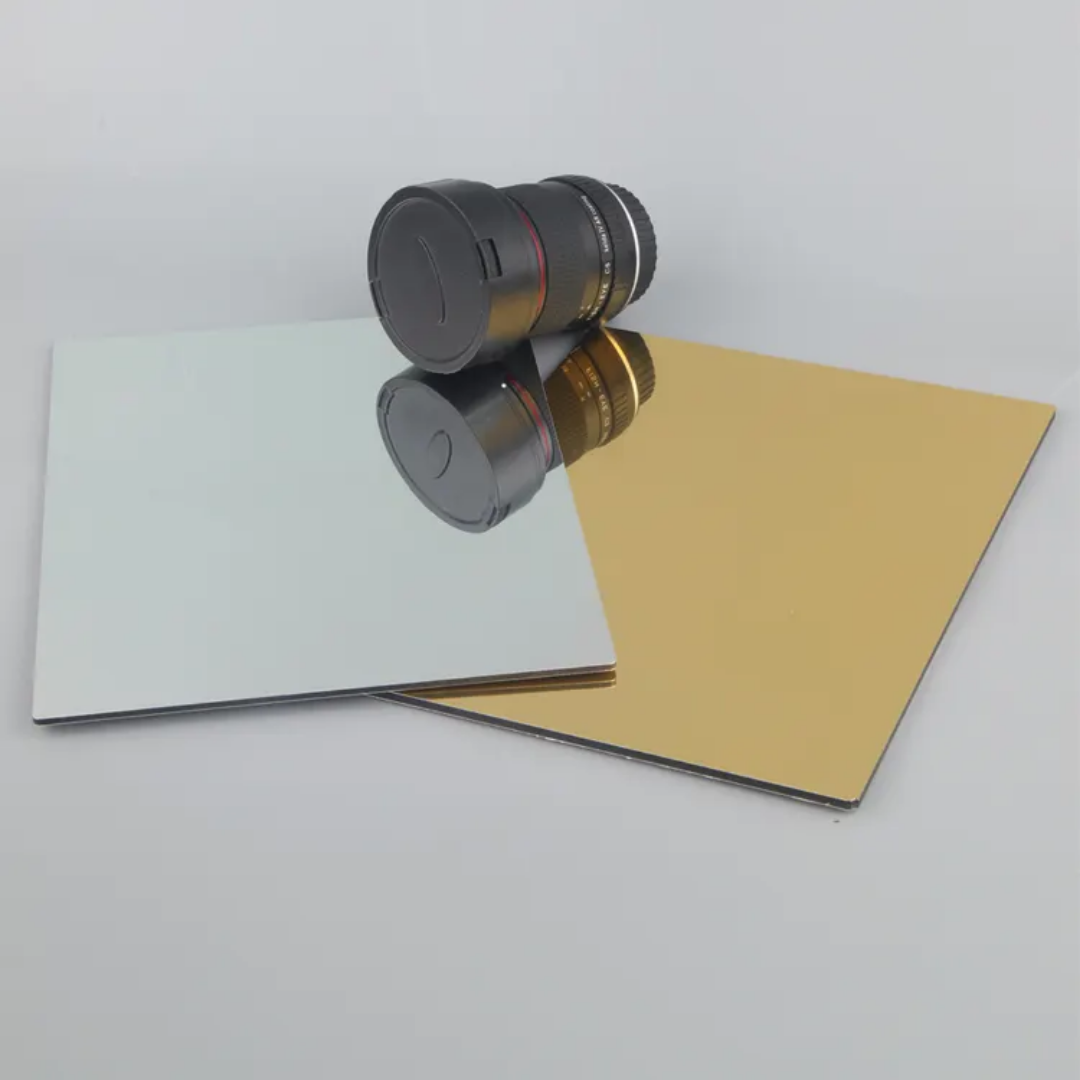
Aluminum Composite Panels (ACP) have evolved far beyond conventional building facades, becoming a dynamic medium for architectural creativity and functional design. Their unique combination of lightweight durability, formability, and aesthetic versatility has sparked a revolution in how architects, designers, and builders approach both interior and exterior projects. This article explores seven groundbreaking applications that demonstrate why ACP is a material of choice for innovation across industries.
1. Dynamic 3D Facades and Sculptural Forms
Moving beyond flat walls, ACP is now engineered into complex three-dimensional geometric facades. Through advanced digital modeling and precision fabrication, panels are folded into **hexagonal modules, prismatic shapes, and undulating waves. This application leverages ACP’s excellent cold-bending capability and structural integrity to create building skins that play with light and shadow, transforming static structures into dynamic architectural sculptures that enhance urban landscapes.
Key Innovation: Algorithmic design integration with ACP’s mechanical properties for custom-formed architectural cladding.
2. Integrated Solar-Ready Building Skins
ACP technology is converging with renewable energy through building-integrated photovoltaics (BIPV). Specially engineered ACP panels can now incorporate thin-film photovoltaic cells within their laminate structure or as a functional overlay. These energy-generating facades maintain a sleek, uniform appearance while transforming buildings into active power generators, marking a significant leap toward net-zero energy architecture and sustainable urban development.
Key Innovation: Seamless integration of solar technology into rainscreen cladding systems without compromising aesthetics.
3. Interactive and Digital Media Facades
Transforming buildings into canvases for digital expression, ACP panels are being used as substrates for embedded LED lighting systems and high-resolution digital displays. Specialized ACP with light-diffusing properties or perforated patterns allows for the creation of large-scale media walls that can display dynamic content, respond to environmental data, or facilitate public interaction, redefining the relationship between buildings and their urban context.
Key Innovation: ACP as a structural and functional component of smart building technology** for immersive visual communication.
4. Hygienic and Antimicrobial Interior Systems
In response to heightened health-conscious design, ACP manufacturers have developed panels with integrated antimicrobial coatings (such as silver-ion technology) and photocatalytic self-cleaning surfaces. These innovative products are revolutionizing applications in healthcare facilities, laboratories, pharmaceutical cleanrooms, and high-traffic public spaces, offering durable, seamless, and easily sanitized surfaces that actively inhibit microbial growth.
Key Innovation: Functional surface technology that enhances material performance for specialized environments.
5. High-Performance Acoustic and Thermal Modules
Beyond visual applications, ACP is engineered for advanced environmental performance. Perforated ACP panels with specialized acoustic backing materials create effective sound-absorbing wall and ceiling systems for auditoriums, airports, and offices. Similarly, ACP modules with enhanced thermal break cores and integrated insulation contribute to high-efficiency building envelopes that exceed modern energy codes.
Key Innovation: Multi-functional panels that address acoustic comfort and thermal efficiency as part of an integrated design solution.
6. Rapid-Deployment Modular and Prefabricated Systems
The construction industry’s shift toward off-site manufacturing finds an ideal partner in ACP. Complete prefabricated facade modules—integrating ACP cladding, windows, insulation, and services—are factory-assembled and rapidly installed on-site. This application dramatically reduces construction time, minimizes weather delays, enhances quality control, and is particularly valuable for modular building projects and large-scale developments.
Key Innovation: ACP as a key component in volumetric and panelized prefabrication for next-generation construction methodology.
7. Advanced Transportation and Mobility Interiors
The transportation sector increasingly utilizes ACP for lightweight vehicle interior paneling in trains, buses, and marine vessels. Specially formulated ACP meets stringent transportation safety standards for flame spread, smoke density, and toxicity. Its durability, cleanability, and design flexibility make it ideal for creating modern, durable interior environments that withstand heavy use while reducing overall vehicle weight for improved fuel efficiency.
Key Innovation: Material adaptation to meet the rigorous performance and safety requirements of the mobility industry.
Conclusion: Redefining Material Boundaries
These seven applications demonstrate that Aluminum Composite Panels are no longer just a cladding alternative but a platform for technological integration and design innovation. From creating power-generating buildings and interactive media skins to enabling healthier interiors and faster construction, ACP continues to expand its relevance. For architects, designers, and specifiers, understanding these cutting-edge applications is essential for leveraging ACP’s full potential to solve contemporary design challenges and create truly forward-looking built environments.