Welcome to Vbond
How We Source & Verify Quality for Large-Volume Aluminum Composite Panel Procurement
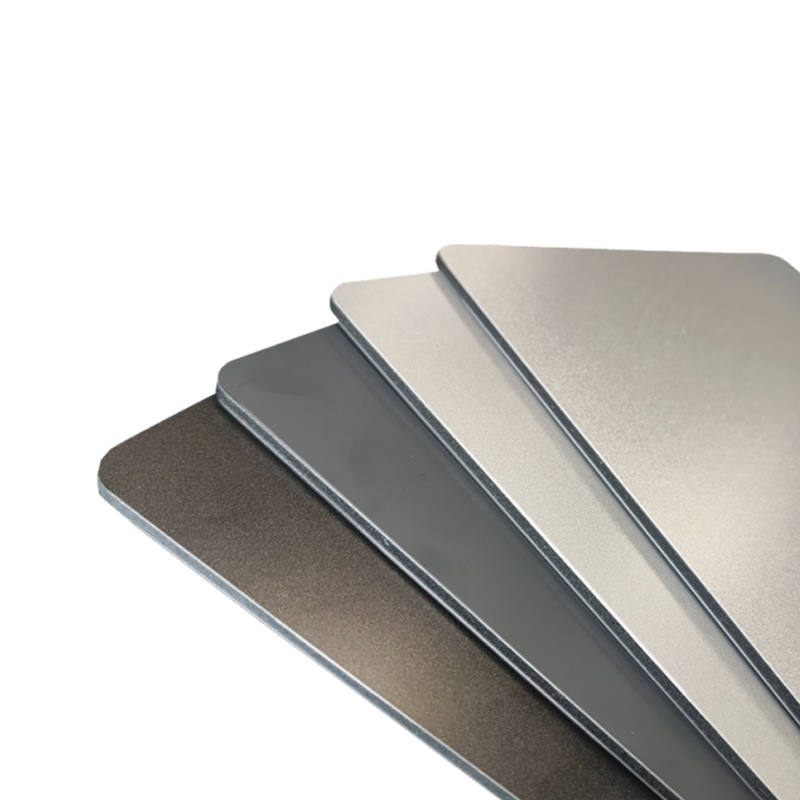
For large-scale construction projects, procurement is not merely a transactional function—it is a strategic discipline that directly impacts project timelines, building performance, and financial outcomes. When sourcing aluminum composite panels (ACP) in volumes exceeding 10,000 or even 100,000 square meters, the margin for error approaches zero. A single batch of substandard panels can delay construction, trigger costly rework, and expose developers to liability for decades.
This guide provides a transparent, step-by-step walkthrough of our proprietary sourcing and quality verification methodology. Drawing on years of experience navigating China's dominant manufacturing hubs—including Guangdong, Shandong, and the Yangtze River Delta—we share the exact processes, metrics, and red flags we use to secure high-performance ACPs at competitive bulk pricing while eliminating supply chain risk.
Phase 1: Mapping the Supplier Landscape and Initial Triage
Before any samples are shipped or contracts signed, we conduct a systematic scan of the global ACP manufacturing ecosystem. While China accounts for over 60% of global ACP output, not all suppliers are created equal. Our triage process filters thousands of potential vendors down to a qualified shortlist based on location, specialization, and verifiable track record.
Key Manufacturing Clusters We Target
We concentrate our search in China's established industrial zones, each offering distinct advantages:
- Guangdong Province (Foshan, Guangzhou): This region hosts vertically integrated manufacturers with superior customization capabilities, rapid prototyping, and proximity to major ports like Shenzhen and Nansha. Suppliers here typically excel in responsiveness—many achieve sub-one-hour response times and perfect review scores.
- Shandong Province (Linyi, Jinan): Known for competitive pricing and strong logistics networks, Shandong-based factories offer cost-effective solutions for large-scale projects where budget efficiency is paramount. Facilities here often integrate precision cutting and coil coating lines, supporting just-in-time delivery models.
- Shanghai and Yangtze River Delta (Jiangsu, Zhejiang): These commercial gateways host technically advanced manufacturers with high-end finishing capabilities, including PVDF coatings and fireproof panels. Proximity to Shanghai Yangshan port enables lean shipping cycles—typically 20–30 days for FCL shipments to Europe or North America.
Initial Screening Criteria
We apply a strict initial filter based on publicly available data:
- Operational History: Suppliers with less than 5 years in business receive enhanced scrutiny. Established companies like Shandong Jixiang Decoration and Building Material Co., Ltd. (16+ years) demonstrate resilience and process maturity.
- Transaction Volume and Revenue: We prioritize vendors with transparent online revenue indicators. For example, Shanghai Alumetal reports over US $720,000 in annual online sales, signaling financial stability and export readiness.
- Response Time: Sub-5-hour response windows reflect dedicated customer service infrastructure. Zhejiang Jusen and Jiangxi Wanding both offer ≤1-hour response times, enabling agile communication during urgent procurement cycles
Phase 2: Technical Compliance and Material Verification
Once a supplier passes initial triage, we move to technical validation. This phase answers a single question: Does this manufacturer actually produce panels that meet our specifications?
Core Composition and Fire Safety Verification
Fire performance is non-negotiable in modern building codes. Following global regulatory tightening—including post-2017 revisions in markets like India—we demand documented compliance with recognized standards.
What We Verify:
Element | Verification Method | Target Benchmark |
Core Type | Third-party test reports | Mineral-filled FR for A2/B1; PE for interior use |
Fire Rating | EN 13501-1, ASTM E84, or UL 975 | Class A or B1 minimum for exterior |
Certificate Authenticity | Cross-check with issuing labs (SGS, TÜV, Intertek) | Valid, non-expired, traceable |
We reject generic "fireproof" claims without certification. For high-rise applications, we specifically require A2 non-combustible or mineral-filled cores validated through independent lab testing. Suppliers like Shanghai Suntung Industry Co., Ltd. and Zhejiang Jusen explicitly list A2-grade fireproof panels backed by third-party documentation.
Coating Integrity and Durability Assessment
For exterior facades, coating performance determines long-term aesthetics and maintenance costs.
Our Testing Protocol:
- PVDF Resin Content: We verify a minimum 70% PVDF resin for exterior-grade coatings, consistent with AAMA 2605 standards.
- Accelerated Weathering: Request QUV test results exceeding 5,000 hours with ΔE ≤1.5 color change.
- MEK Rub Test: A fully cured coating should withstand 100+ double rubs without exposing primer.
- Salt Spray Resistance: For coastal installations, we require 1,000+ hours of salt fog testing per ASTM B117 .
Mechanical Properties: Peel Strength and Dimensional Accuracy
The bond between aluminum skins and core is the single most critical mechanical property. Delamination is catastrophic and irreversible.
Acceptance Criteria:
- Peel Strength: Minimum 7 N/mm or 50 N/mm for 4mm panels. Premium suppliers often exceed 10 N/mm.
- Flatness Tolerance: ≤0.2mm per meter to prevent "oil canning" (visible surface waviness).
- Dimensional Accuracy: ±0.5mm across standard 4x8 ft sheets .
We insist on batch-specific test reports rather than generic marketing materials. Suppliers like Taizhou Vbang Composite Panel Co., Ltd maintain on-site QA labs with full traceability, offering buyers confidence in long-term durability.
Phase 3: Operational Reliability and Performance Metrics
Technical capability means little without operational consistency. A factory that produces perfect samples but fails to deliver bulk orders on time is a liability, not a partner.
Key Performance Indicators We Track
We maintain a proprietary database of supplier metrics, drawn from verified transaction histories and independent audits :
Metric | Target Threshold | Why It Matters |
On-Time Delivery Rate | ≥95% (100% preferred) | Delays disrupt construction schedules and increase site costs |
Reorder Rate | ≥20% | High repeat purchase rates signal sustained client satisfaction |
Response Time | ≤2 hours | Critical for resolving urgent queries or order adjustments |
Quality Certifications | ISO 9001 + product-specific | Ensures standardized production oversight |
Examples of Top Performers:
- Guangzhou Dingchengzun Building Materials Co., Ltd.: 100% on-time delivery, ≤1h response
- Jayminton Co., Ltd.: 40% reorder rate—highest in peer group
- Foshan Royal Technology Co., Ltd.: 100% on-time, ≤1h response
- Top Ace Development Limited: 33% reorder rate, 100% on-time
Conversely, we flag suppliers with on-time rates below 80% or reorder rates under 15% for enhanced scrutiny. Shandong Golden Sunshine's 66% on-time delivery, despite broad product offerings, would trigger additional due diligence.
Phase 4: Physical Sampling and Pilot Orders
No amount of documentation substitutes for hands-on evaluation. We mandate a structured sampling protocol before any bulk commitment.
Sample Request Process
1. Initial Samples: Request 200x300mm samples with full traceability tags linking to specific production batches.
2. Evaluation Criteria:
- Visual inspection: Color accuracy, surface uniformity, edge finish
- Tactile assessment: Rigidity, coating smoothness
- Preliminary adhesion test: Attempt to separate skin from core at edges
3. Documentation Review: Cross-check sample labels against provided test reports and certificates.
Pilot Order Strategy
For large-volume procurement, we recommend a pilot order of 500–1,000 square meters before full-scale production. This serves multiple purposes:
- Verifies batch consistency across a meaningful sample size
- Tests packaging quality and transit resilience
- Assesses documentation accuracy for customs clearance
- Evaluates communication efficiency during order execution
Suppliers with low MOQ flexibility—such as Shanghai Jijia (10–50 sqm) or Hubei ADTO (50 sqm)—are ideal for pilot runs .
Phase 5: Factory Audits and Production Monitoring
For mission-critical projects exceeding 50,000 square meters, we conduct formal supplier audits. These may be physical onsite inspections or comprehensive virtual tours using live video feeds.
Audit Scope
Area | That We Inspect |
Raw Material Storage | Aluminum coil traceability, core material age, and adhesive storage conditions |
Production Lines | Coating application, lamination pressure/temperature, cutting precision |
Quality Control Lab | Test equipment calibration, technician qualifications, and record-keeping |
Packaging Area | Edge protection methods, moisture barriers, and pallet construction |
Finished Goods Inventory | Batch labeling, storage conditions, FIFO compliance |
Red Flags During Audits
- Inconsistent or missing batch traceability systems
- Reluctance to show specific production areas
- Discrepancies between claimed and observed capacity
- Poor housekeeping that could contaminate materials
Suppliers with in-house coating and lamination lines—rather than outsourcing—receive preference, as vertical integration ensures tighter process control.
Phase 6: Pre-Shipment Inspection and Quality Control
Before any container leaves the factory, we mandate independent third-party inspection. This is our final line of defense against non-conforming materials.
Inspection Protocol
Engage accredited agencies such as SGS, Bureau Veritas, or Intertek to conduct :
- Random sampling per international standards (ANSI/ASQ Z1.4)
- Dimensional verification against approved shop drawings
- Coating thickness measurement using calibrated instruments
- Visual inspection for surface defects, scratches, or color variation
- Packaging audit confirming edge protectors, moisture barriers, and labeling
Acceptance Criteria
We establish clear pass/fail thresholds in purchase contracts:
- Dimensional tolerance: ±1mm for length/width, ±0.1mm for thickness
- Color variation: ΔE ≤0.5 compared to the approved sample
- Surface defects: Zero scratches or dents on visible faces
- Packaging: ISPM 15-compliant fumigated wood, edge guards on all corners
Payment release is contingent on inspection sign-off. Standard terms are 30% deposit, 70% against an inspection certificate.
Phase 7: Logistics, Documentation, and Risk Transfer
Even verified quality can be compromised during transit. We actively manage logistics to preserve panel integrity from the factory gate to the project site.
Shipping Best Practices
- Container Loading: Panels must be stacked vertically (never laid flat) with uniform support to prevent bending.
- Moisture Protection: Desiccants and vapor barriers inside containers, especially for sea freight through tropical zones.
- Edge Protection: Cardboard or plastic edge guards on all four sides, secured with strapping.
Documentation Checklist
We ensure every shipment includes :
- Commercial invoice and packing list
- Bill of lading
- Certificate of origin (for duty preference programs)
- Material test certificates (batch-specific)
- Fire test reports (if required for local permitting)
- Insurance certificate (covering all risks from the port of loading)
Price Analysis: Understanding Cost Drivers
For large-volume buyers, unit price is important, but understanding what drives price differences enables smarter trade-offs.
Factors Influencing ACP Pricing
Factor | Cost Impact | Notes |
Core Type | PE (lowest), FR (mid), Mineral A2 (highest) | Fire safety regulations drive core selection |
Coating | Polyester < PVDF < FEVE/nano | PVDF adds 20-40% over polyester |
Skin Thickness | 0.12mm to 0.50mm | Thicker skins increase cost but improve durability |
Customization | Standard colors cheaper than custom matches | RAL matching adds 5-7 days and ~10% cost |
Volume | Tiered discounts starting at 1,000+ sqm | Negotiate volume breaks early |
Price Benchmark Ranges (FOB China)
Based on verified supplier data :
Product Grade | Price Range (USD/sqm) | Typical Applications |
Economy PE (3-4mm) | $1.50 – $3.50 | Interior signage, temporary installations |
Standard PVDF (4mm) | $3.50 – $8.00 | Commercial facades, mid-rise buildings |
Fire-Rated FR/A2 (4mm) | $6.50 – $15.00 | High-rise hospitals, schools |
Premium Finishes | $15.00 – $40.00 | Luxury retail, landmark architecture |
Example Supplier Positions:
- Wuxi Oriental Denuo: $1.50–4.80, ideal for budget-conscious bulk procurement
- Shandong Ecobuild: $1.90–6.90, strong on-time delivery at competitive pricing
- Taizhou Vbang $5.44–13.42, nano-coated and fireproof options
- Foshan Vanco: $15.00–35.00, 75% reorder rate indicating premium quality
Risk Mitigation: Common Pitfalls and Countermeasures
1. Material Substitution Risk
Problem: Supplier quotes PVDF but delivers polyester, or uses thinner skins than specified.
Countermeasure:
- Specify exact alloy (AA3003/5005) and skin thickness in contracts
- Conduct MEK rub tests on arrival to verify coating type
- Use third-party inspection at the factory before shipment
2. Certification Fraud
Problem: Fake or expired test reports submitted as compliance evidence.
Countermeasure:
- Verify certificates directly with issuing labs (SGS, Intertek, TÜV)
- Request batch-specific reports tied to your order, not generic templates
- Cross-check report numbers via lab online portals
3. Delivery Delays
Problem: Production or shipping delays disrupt construction schedules.
Countermeasure:
- Build buffer time into contracts (penalties for late delivery, e.g., 0.5% per day)
- Monitor production via weekly photo/video updates
- Use suppliers with proven on-time records (≥95%)
4. Hidden Costs
Problem: Quoted FOB price excludes palletization, fumigation, or documentation fees.
Countermeasure:
- Request a full landed cost breakdown before order confirmation
- Clarify Incoterms (FOB, CIF, DAP) and each cost element
- Factor in customs duties, port handling, and insurance
5. Transit Damage
Problem: Panels arrive scratched, bent, or delaminated due to poor packaging.
Countermeasure:
- Specify packaging standards in contracts: edge protectors, moisture barrier, sturdy pallets
- Inspect the container condition before loading
- Purchase marine insurance with adequate coverage
Summary: Our Sourcing Workflow at a Glance
Phase | Duration | Key Activities |
Supplier Triage | 1-2 weeks | Map manufacturing clusters, screen by metrics, shortlist candidates |
Technical Verification | 1-2 weeks | Request certifications, verify fire ratings, and test reports |
Sample Evaluation | 2-3 weeks | Order samples, physical testing, and cross-check with documentation |
Pilot Order | 4-6 weeks | Place a small volume order, assess consistency and communication |
Factory Audit | 1 week | On-site or virtual inspection of facilities and QC processes |
Bulk Production | 3-5 weeks | Monitor production, receive progress updates |
Pre-Shipment Inspection | 1 week | Third-party inspection, sign-off before payment release |
Logistics | 3-6 weeks | Container loading, shipping, documentation, and delivery |
Frequently Asked Questions
How long does your complete sourcing process take?
For new supplier relationships, we typically allocate 12-16 weeks from initial contact to delivery. This includes triage (1-2 weeks), technical verification (1-2 weeks), sampling (2-3 weeks), pilot order (4-6 weeks), and bulk production/shipping (6-8 weeks). Established partners can execute faster—sometimes in 6-8 weeks total.
What minimum order volume do you require for engagement?
We specialize in large-volume procurement and typically work with orders exceeding 10,000 square meters. For smaller projects, we can recommend vetted suppliers who accept lower MOQs—such as Shanghai Jijia (10 sqm) or Hubei ADTO (50 sqm).
How do you handle warranty claims?
We ensure all purchase contracts include clear warranty terms (typically 10-20 years for PVDF coatings) and establish protocols for defect documentation and remedy. For international claims, we facilitate communication and may coordinate third-party assessments to validate issues.
Can you source custom colors or specialty finishes?
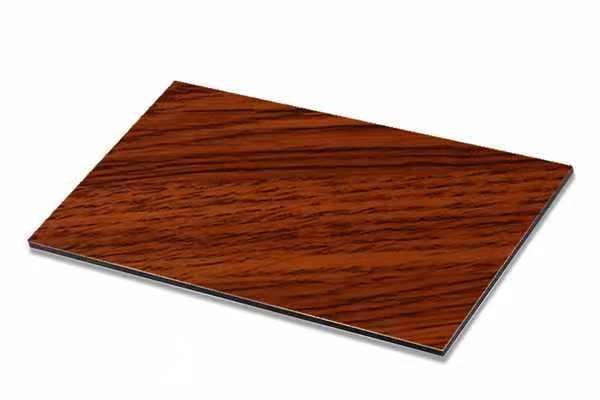
Yes. We work extensively with suppliers offering full customization: RAL/Pantone matching, wood/stone grain lamination, digital printing, and even branded logo embossing. Lead times increase by 5-10 days for custom work.
What fire ratings do you typically specify?
For exterior facades, we specify A2 non-combustible or B1 fire-retardant cores per EN 13501-1, or Class A per ASTM E84, depending on project jurisdiction . We always verify with third-party test reports.
Conclusion: Quality is a Process, Not a Promise
For large-volume ACP procurement, quality cannot be assumed—it must be engineered through systematic processes, verified metrics, and independent oversight. Our approach combines deep knowledge of China's manufacturing landscape with rigorous verification at every stage: from initial supplier triage through technical validation, sampling, production monitoring, and pre-shipment inspection.
By following this methodology, we consistently secure high-performance aluminum composite panels that meet architectural specifications, comply with safety regulations, and arrive on time—protecting our clients' investments and reputations.
The suppliers we partner with are not just vendors; they are integrated solutions providers who demonstrate transparency, reliability, and commitment to long-term performance. If you are planning a large-scale project requiring verified ACP quality at competitive bulk pricing, this framework provides the roadmap to success.