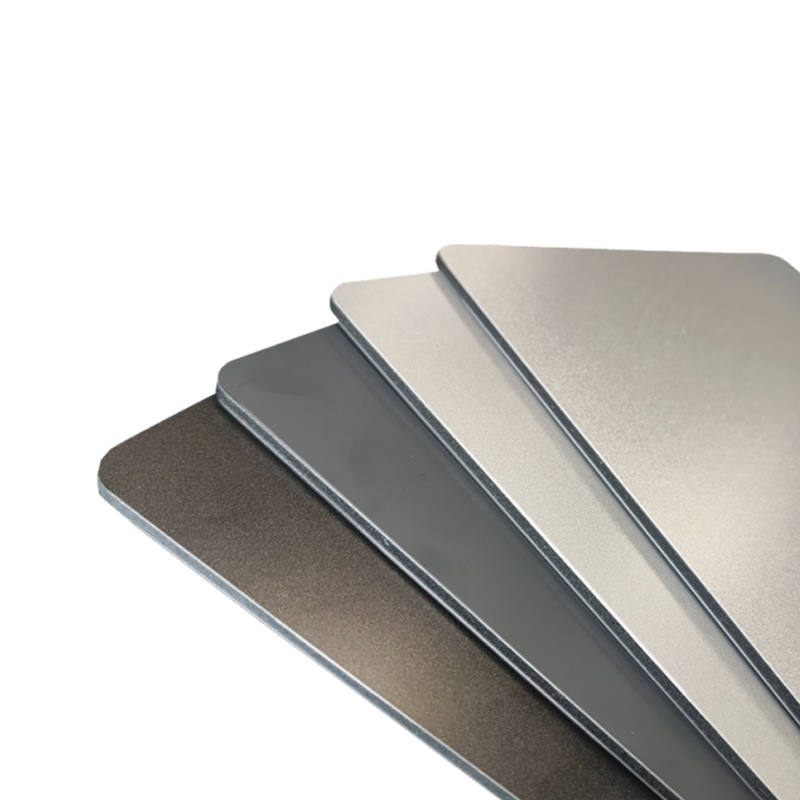
Welcome to Vbond
A Buyer’s Guide to Measuring Color Consistency in Aluminum Composite Panels
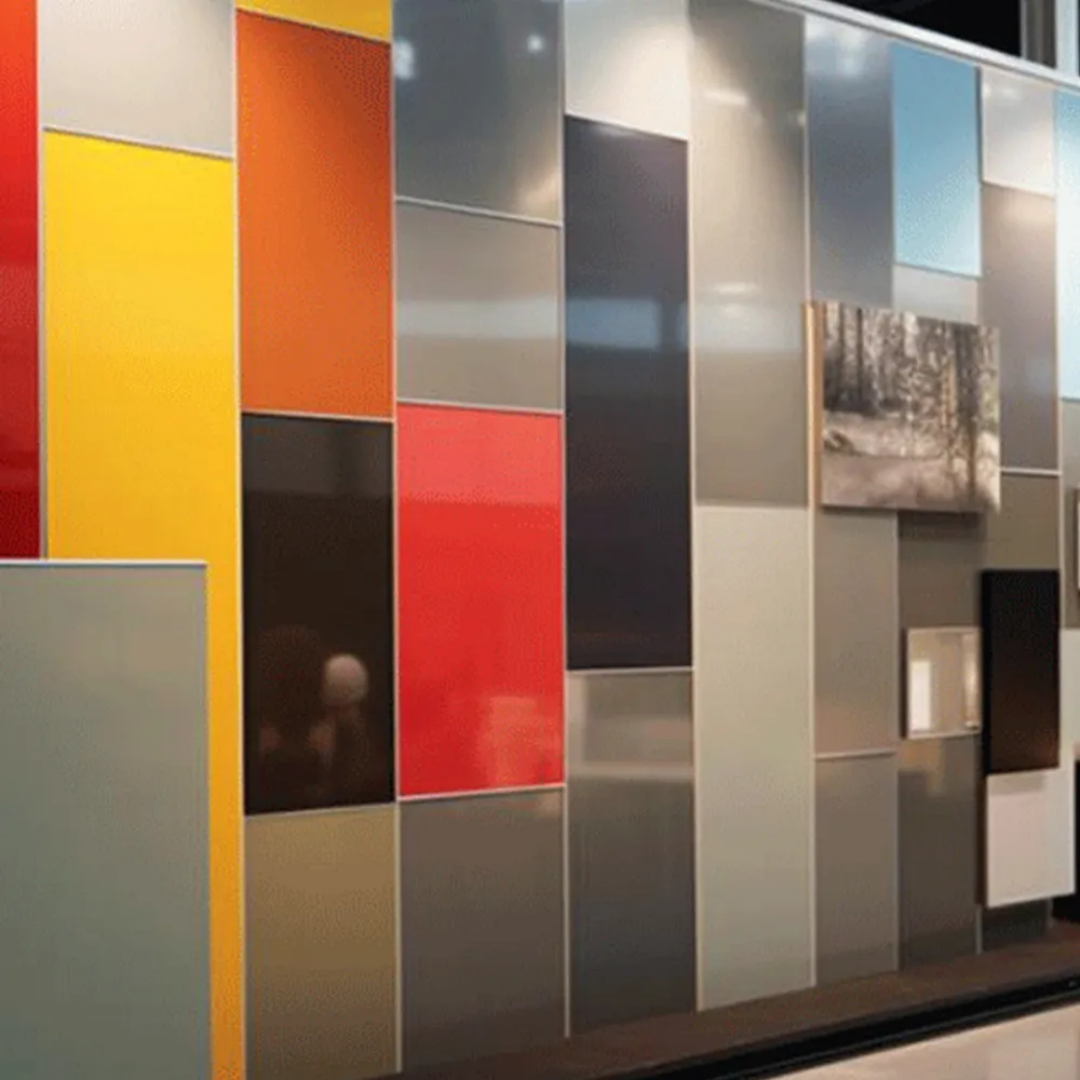
When sourcing aluminum composite panels (ACPs) for large-scale architectural projects, few factors impact the final aesthetic as profoundly as color consistency. Unlike structural integrity or fire rating—which are binary pass/fail metrics—color is subjective. However, for a professional buyer, color inconsistency is a supply chain risk that can lead to costly re-cladding, project delays, and reputational damage.
This guide provides a technical yet practical framework for evaluating color consistency in ACPs, ensuring that the material you specify on paper matches the reality installed on the façade.
Why Color Consistency Matters in ACPs
Aluminum composite panels are typically installed across vast expanses of a building’s exterior. Even a slight deviation in hue, gloss, or metallic flake orientation becomes glaringly obvious under natural sunlight when panels are placed side-by-side.
For procurement professionals, poor color control results in:
- Batch rejection rates exceeding acceptable tolerances.
- Installation delays due to waiting for re-production.
- Inconsistent warranty claims between manufacturers.
A professional buyer does not just purchase a color; they purchase a color management system.
The Science Behind the Surface: PVDF vs. Polyester
The resin system used in the coil coating process dictates how well a panel retains its color over time and across batches.
- PVDF (Polyvinylidene Fluoride): The industry standard for high-end architectural projects. PVDF coatings (typically 70% Kynar 500® or Hylar 5000®) offer superior color retention and batch-to-batch consistency due to rigid manufacturing controls. They resist UV degradation, ensuring that the color you measure at the factory is the color visible ten years later.
- Polyester: While more cost-effective, polyester coatings are softer and more prone to fading. For buyers prioritizing long-term consistency, PVDF is the non-negotiable standard.
Key Metrics for Measuring Color Consistency
To move beyond subjective visual assessment, buyers must rely on quantifiable data. Here are the critical metrics to demand from suppliers:
1. Delta E (ΔE) Tolerance
Delta E measures the difference between two colors. In the ACP industry, ΔE < 0.5 is considered the benchmark for “visually indistinguishable” to the naked eye under standard lighting conditions.
- Industry Standard: Many manufacturers operate at a ΔE of 1.0 to 1.5. For premium architectural work, insist on a ΔE tolerance of ≤ 0.5 between production batches.
- Why it matters: If a supplier cannot provide spectrophotometer reports showing ΔE values, they are likely relying on visual matching—a risky proposition for large-scale procurement.
2. Gloss Units (GU)
Color consistency is meaningless without gloss consistency. A mismatch in sheen can make the same color appear different.
- Measurement: Using a gloss meter at a 60-degree angle.
- Tolerance: High-quality ACP manufacturers maintain a gloss variation of ±3 GU for solid colors and ±5 GU for metallics.
3. Metamerism
Metamerism occurs when two panels match under one light source (e.g., fluorescent warehouse lighting) but fail under another (e.g., natural daylight or street lighting).
Professional buyers should request spectrophotometric data that confirms the panels are metameric-free. This ensures the color holds true regardless of the time of day or ambient lighting conditions.
The Manufacturing Variables That Affect Consistency
Understanding the production process helps buyers ask the right questions during factory audits or supplier vetting.
Coil Coating vs. Spray Painting
The most consistent ACPs are produced via continuous coil coating. In this process, aluminum coils are cleaned, chemically treated, and painted in a single, high-speed automated line.
Consistency Risks:
- Batch-to-Batch Variation: Even in coil coating, variations in line speed, oven temperature, or paint viscosity can alter color. Top-tier suppliers use real-time closed-loop color control systems that adjust parameters automatically.
- Substrate Quality: Inconsistent aluminum core thickness or impurities in the polyethylene core can cause thermal expansion variations, which may affect the coating’s adhesion and visual uniformity over time.
How to Vet a Supplier: A Checklist for Buyers
When engaging with ACP manufacturers, use this checklist to verify their color control capabilities:
1. Request a Mill Certificate: Does the supplier provide batch-specific reports detailing the colorimetric values (L, a, b) and gloss readings?
2. Inspect the Color Library: Established manufacturers maintain a digital and physical color library. Ask how they archive color standards (usually every 6-12 months to account for standard degradation).
3. Ask About Calibration: Ensure the supplier calibrates their spectrophotometers daily. Without calibration, measurement data is unreliable.
4. Demand a “Master Panel”: For large projects, insist on a physical master panel (signed and dated) that serves as the binding arbitration standard for all delivered batches.
5. Lead Time for Rework: Understand the supplier’s lead time for re-coating if a batch fails color inspection. A supplier with in-house coating facilities offers faster resolution than one that outsources.
The Cost of “Good Enough”
In competitive bidding, it is tempting to select the supplier with the lowest price point. However, professional buyers recognize the hidden costs of poor color consistency:
- Logistical Costs: Replacing mismatched panels involves freight, crane rental, and scaffolding reconfiguration—often exceeding the original material cost.
- Aesthetic Liability: If a building’s façade appears patchy, the architect, general contractor, and buyer all share reputational liability.
- Warranty Gaps: Cheap panels often lack a comprehensive color-fastness warranty (typically 20–30 years for PVDF systems).
Conclusion
Measuring color consistency in aluminum composite panels is not about trusting a color swatch; it is about trusting a process. As a professional buyer, your leverage lies in demanding quantifiable metrics—Delta E, gloss units, and spectrophotometric reports—rather than relying solely on visual approvals.
By prioritizing manufacturers who utilize continuous coil coating, maintain strict ΔE tolerances, and offer transparent batch testing, you mitigate the risk of façade failures and ensure that the architectural vision is realized with precision.