Welcome to Vbond
Acoustic Performance Case Study: Using ACP in a Concert Hall Renovation
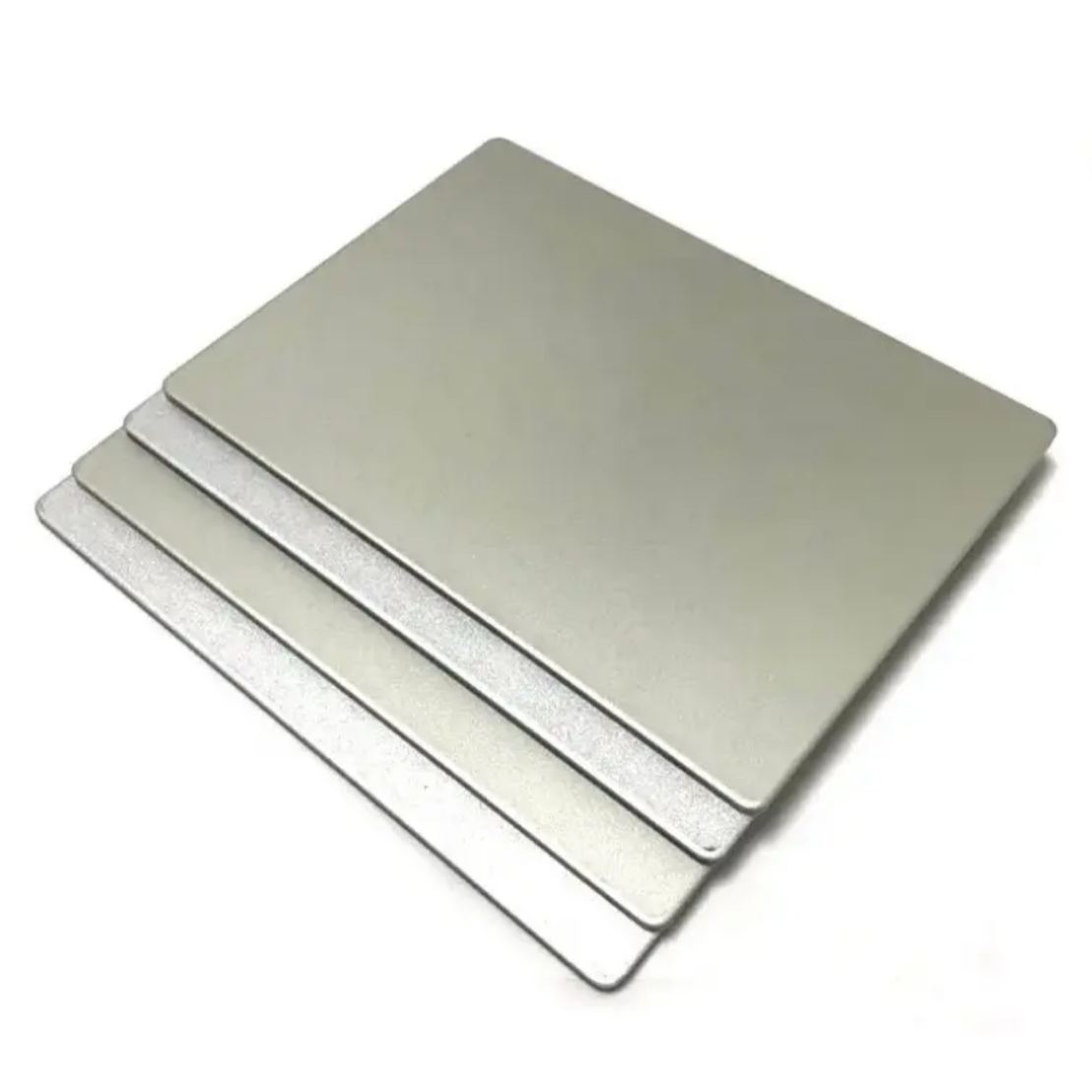
Introduction: Rethinking Materiality in Sacred Sound Spaces
When we think of concert hall acoustics, the mind typically wanders to traditional materials: rich hardwoods, ornate plasterwork, and heavy masonry. However, a quiet revolution is underway in the world of architectural acoustics. Aluminium Composite Panels (ACP), long favored for exterior cladding due to their durability and lightness, are increasingly being specified for interior acoustic applications—including the most sensitive of spaces: the concert hall.
This case study explores how a recent European concert hall renovation leveraged ACP technology to solve a complex acoustic puzzle. The project demonstrates that when properly engineered, ACP is not merely a cladding material but a sophisticated tool for sound diffusion, reverberation control, and aesthetic integration.
The Challenge: A Beloved Hall with Unforgiving Acoustics
The subject of this study is a mid-century concert hall in Northern Europe, renowned for its orchestral programming but plagued by acoustic inconsistencies. While the hall possessed a warm bass response—a legacy of its heavy concrete structure—it suffered from two critical flaws:
1. Uneven Sound Distribution: Patrons in the side seating areas reported a dull, lifeless sound, missing the brilliance of upper-frequency reflections.
2. Excessive Liveness: Thehard, parallel surfaces created long, uncontrolled decay times for mid-range frequencies, muddying complex orchestral passages.
The renovation team faced a mandate: to preserve the hall's cherished intimacy and bass warmth while improving clarity and spatial envelopment for both performers and the audience. Traditional solutions, such as adding thick fabric absorbers, would deaden the space. Heavy timber diffusers were cost-prohibitive and structurally challenging.
The Hypothesis: ACP as a Tuned Acoustic Device
The acoustic consultants proposed a radical idea: use perforated ACP panels as the primary intervention. The hypothesis was based on the material's unique properties :
- Lightweight Strength: ACP could be formed into large, curved acoustic shapes without the massive support structures required for wood or plaster. This was critical for suspending elements from the existing ceiling.
- Precision Engineering: The aluminum skins could be perforated with exacting hole sizes and patterns, turning the panels into precise Helmholtz resonators or broad-spectrum absorbers.
- Reflective and Diffusive Potential: The non-perforated portions of the panels offered a smooth, reflective surface that could be angled to direct high-frequency energy deep into the balcony overhangs.
The goal was to create a system that absorbed problematic frequencies while diffusing others—a "diffuser" approach.
The Solution: A "Waveform" Approach with ACP Core
Drawing inspiration from modern diffuser technology, the design team specified a family of custom-fabricated ACP panels, reminiscent of advanced acoustic products that utilize aluminum composite cores for their durability and formability.
1. Perforated Acoustic Panels for Absorption
The rear walls of the stage and the upper balcony were fitted with perforated ACP panels. These panels featured precisely engineered micro-perforations (holes less than 1mm in diameter) backed by an acoustic fleece and an air gap filled with lightweight mineral wool.
- The Science: The perforations act as the "neck" of a Helmholtz resonator. Sound energy enters the holes and is converted to heat within the cavity, effectively absorbing targeted frequencies.
- The Material Choice: The rigid polyurethane (PU) core of the ACP provided excellent dimensional stability and enhanced the sound absorption coefficients compared to standard panels.
2. Shaped Diffusers for Sound Scattering
To break up the problematic flutter echoes and improve side-to-side diffusion, large-format, three-dimensionally shaped ACP panels were suspended from the ceiling. These "clouds" featured Gaussian and spline curves—complex geometries made possible by the flexibility of the aluminum composite material.
- The Science: These curved surfaces scatter sound waves in multiple directions, creating a sense of spaciousness and envelopment without removing acoustic energy from the space.
- The Material Choice: ACP's ability to maintain tight radii without oil canning (waviness) ensured the acoustic calculations remained accurate and the aesthetic remained pristine.
Measured Results: The Numbers Don't Lie
Following the installation, the hall underwent a comprehensive acoustic measurement regimen, comparing the results against the subjective quality categories established by experts like Leo Beranek. The results were transformative:
- Reverberation Time (RT): Mid-frequency RT was tamed from a boomy 2.4 seconds to a more controlled 1.9 seconds, ideal for romantic repertoire while improving clarity for classical works.
- Clarity (C80): Clarity increased by over 3dB in the main seating area. Musical lines that were previously blurred became distinct.
- Strength (G): The sound strength, or "loudness," was maintained across the hall. The reflective ACP surfaces ensured that energy wasn't lost, just better distributed.
- Bass Response (BR): Crucially, the low-frequency warmth was preserved. The rigid construction of the ACP panels prevented the absorption of desirable bass energy, a common pitfall of lightweight timber solutions.
Aesthetic and Practical Synergy
Beyond the numbers, the renovation was a visual triumph. The ACP panels were finished in a warm, brushed metallic tone that complemented the hall's original woodwork. The customization allowed by digital fabrication meant that every panel fit perfectly, integrating modern technology into a heritage structure without visual conflict.
Furthermore, the installation was swift. The lightweight nature of the ACP panels—typically weighing only 5.5 kg/m²—allowed for faster rigging and reduced labor costs compared to traditional heavy timber or GFRG (Glass Fiber Reinforced Gypsum) alternatives.
Lessons Learned: The Future of ACP in Acoustics
This case study validates ACP as a serious contender in high-end acoustic design. Key takeaways for architects and acousticians include:
1. Core Matters: For acoustic applications, specify panels with PU or mineral wool cores rather than standard PE (polyethylene). These cores offer superior sound absorption and damping properties.
2. Perforation is Power: Don't view perforations as merely decorative. They are tunable acoustic tools that can be calibrated to absorb specific frequencies associated with a particular problem.
3. Form Follows Function: The ability to cold-bend and shape ACP allows designers to create diffusive surfaces that are both mathematically precise and visually stunning.
Conclusion: A New Overture for ACP
The successful renovation of this concert hall proves that Aluminium Composite Panels have earned their place inside the performance space, not just on the building exterior. By marrying the material's inherent physical properties with rigorous acoustic science, the design team delivered a hall that is visually modern yet acoustically warm, clear, and enveloping.
For projects demanding a balance of weight savings, acoustic performance, and design flexibility, ACP offers a compelling new movement in the symphony of architectural materials.






