Welcome to Vbond
ACP as a Whiteboard Surface: Innovative Uses in Office and Classroom Design
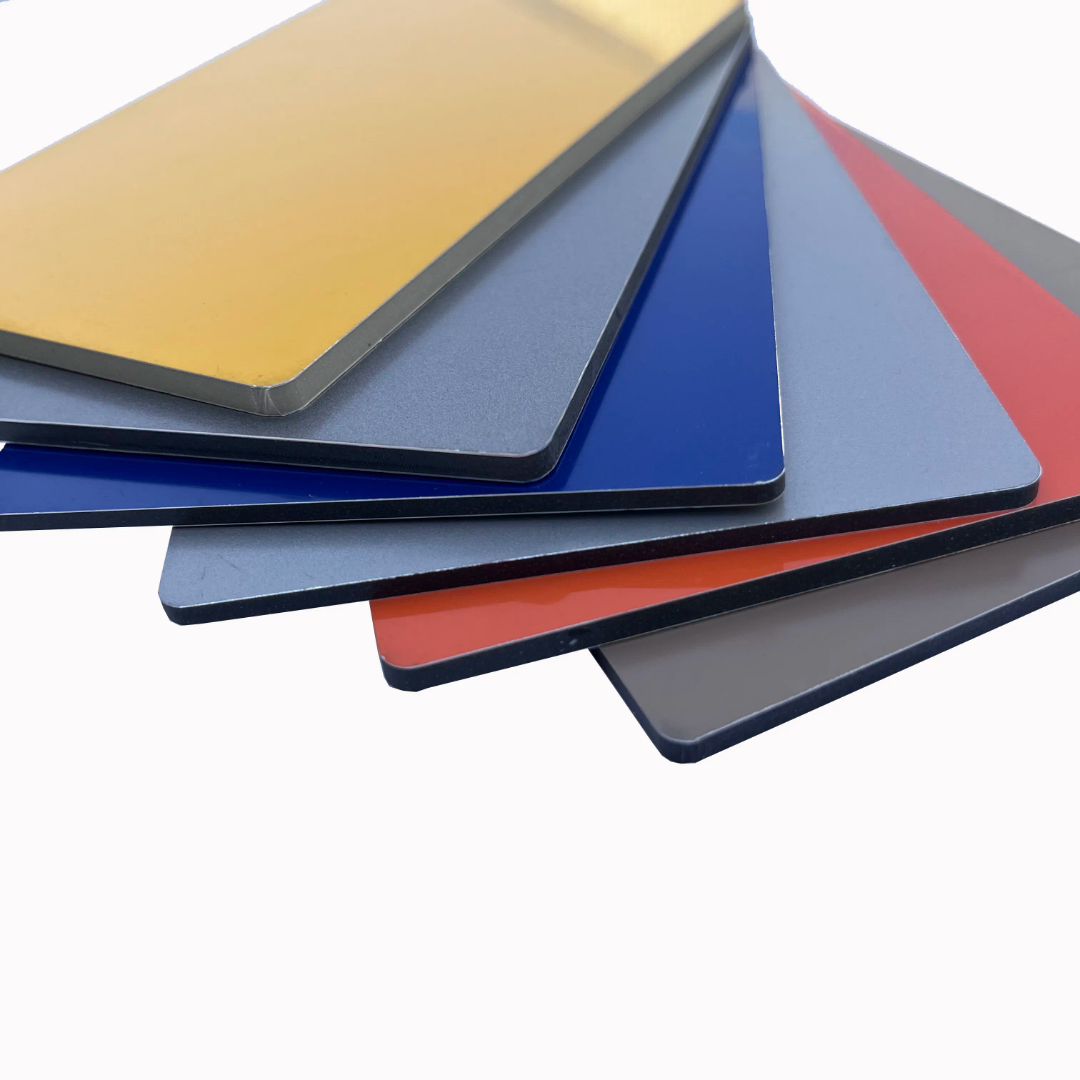
The modern workplace and classroom are evolving rapidly. The days of static, one-dimensional spaces are giving way to environments that demand flexibility, collaboration, and interactivity. We see whiteboards covering entire walls, writable surfaces on meeting room partitions, and spaces designed for brainstorming and spontaneous idea-sharing.
However, traditional whiteboard materials—ceramic steel, painted glass, or melamine—come with significant limitations. They are expensive, heavy, fragile, and limited in size. Enter Aluminium Composite Panels (ACP). While typically associated with exterior cladding and signage, ACP is emerging as a surprising, innovative, and highly effective solution for whiteboard surfaces in offices and classrooms.
This article explores how architects and designers are repurposing ACP to create durable, seamless, and cost-effective writable environments that foster creativity and collaboration.
The Evolution of the Whiteboard
The whiteboard has come a long way since its invention in the 1960s. What began as a small, framed melamine board has evolved into an entire design philosophy centered on active learning and collaborative work.
Research consistently shows that environments supporting spontaneous collaboration enhance creativity and problem-solving. This has driven demand for:
- Full-wall writable surfaces
- Mobile and modular partitions that double as brainstorming tools
- Integrated technology where writing surfaces coexist with digital displays
- Aesthetic continuity where functional surfaces blend seamlessly with interior design
Traditional whiteboard materials struggle to meet these demands at scale. This is where ACP offers a compelling alternative.
Why ACP Works as a Whiteboard Surface
Aluminium Composite Panels possess specific properties that make them surprisingly well-suited for writable applications.
1. The Perfectly Smooth, Non-Porous Surface
ACP's factory-finished aluminum surface provides an ideal writing experience. It is:
- Perfectly flat without the waviness of some alternative materials
- Non-porous, preventing ink absorption and staining
- Erasable with standard dry-erase markers when properly specified
- Consistent across large areas without visible seams when installed correctly
2. Lightweight, Large-Format Capability
Unlike glass (heavy) or ceramic steel (very heavy), ACP is lightweight while remaining rigid . This allows designers to create:
- Floor-to-ceiling writable walls without excessive structural loading
- Large-format surfaces with minimal visible joints
- Mobile writable partitions that can be moved by staff
3. Exceptional Durability
ACP is renowned for its durability in exterior applications—resisting weather, corrosion, and impact. In interior whiteboard applications, this translates to:
- Scratch resistance superior to melamine
- Dent resistance that withstands daily use
- Longevity measured in decades, not years
4. Design Integration and Aesthetics
Perhaps most importantly, ACP allows writable surfaces to blend seamlessly with interior design. Available in a wide array of colors, textures, and finishes—including wood-look and metallic options —ACP can be specified to match surrounding millwork, cabinetry, or wall finishes.
This means the "whiteboard" doesn't have to be white. It can be:
- A warm wood-tone accent wall that also accepts dry-erase markers
- A color-coded surface for different departments or zones
- A seamless continuation of surrounding paneling
Technical Considerations for Whiteboard-Grade ACP
Not every ACP panel is suitable for whiteboard use. Specific specifications are required.
Surface Finish and Gloss Level
The writing experience depends heavily on surface characteristics:
- Gloss levels between 20-40% typically provide the best erasability without glare
- Matte finishes reduce reflections in brightly lit classrooms but may require more frequent cleaning
- High-gloss finishes erase beautifully but can create glare under overhead lighting
Marker Compatibility
Standard dry-erase markers perform well on properly specified ACP. However:
- Permanent markers should be avoided (or removed with isopropyl alcohol)
- Low-odor markers may have different ink formulations; testing is recommended
- Erasability testing should be conducted with the specific markers users will employ
Core Selection
For interior whiteboard applications, core selection matters:
- Fire-retardant (FR) cores are recommended for educational and commercial occupancies
- FR cores typically meet Class A flame spread ratings under ASTM E84 standards
- Standard polyethylene cores may be acceptable in some low-risk applications, but should be verified with local codes
Edge Treatment and Joinery
The "seamless" quality of large whiteboard surfaces depends on edge detailing:
- Concealed fixing systems allow panels to appear floating
- Precision CNC cutting ensures tight, consistent joints
- Color-matched sealants can make joints nearly invisible
- Butt joints with minimal gaps prevent markers from catching
Innovative Applications in Office Design
Modern offices are embracing ACP whiteboard surfaces in creative ways.
1. Brainstorming Walls
Entire walls finished in whiteboard-grade ACP transform meeting rooms into perpetual brainstorming spaces. Unlike traditional whiteboards limited to 4x8 feet, ACP allows:
- Floor-to-ceiling coverage for maximum writing area
- Wrap-around configurations that continue around corners
- Integration with pin-up areas using magnetic accessories
2. Mobile Partitions
Lightweight ACP-clad partitions on casters serve dual functions:
- Space division when privacy is needed
- Writable surfaces on one or both sides for collaborative work
- Magnetic functionality when specified with ferromagnetic cores or backing
3. Reception and Branding
High-traffic reception areas benefit from ACP whiteboard surfaces that:
- Display rotating messaging, welcome notes, or brand statements
- Match surrounding interior finishes for design continuity
- Resist fingerprints and daily wear better than painted drywall
4. Project Room Envelopes
In agile workplaces, project rooms benefit from writable surfaces on all walls. ACP makes this achievable at a reasonable cost while maintaining professional aesthetics.
Innovative Applications in Classroom Design
Educational environments stand to benefit enormously from ACP whiteboard technology.
1. Active Learning Classrooms
Research supports active learning pedagogies where students collaborate at writable surfaces. ACP enables:
- Perimeter writable surfaces around the entire classroom
- Student-height panels accessible to seated or standing learners
- Teacher-height zones for instruction and demonstration
2. STEM and Collaboration Zones
Science, technology, engineering, and math classrooms benefit from writable surfaces where students can:
- Work through problems collaboratively
- Diagram concepts in real-time
- Present solutions to peers
3. Hallway Learning Commons
Many schools now extend learning into corridors and commons areas. Durable ACP whiteboard surfaces withstand high-traffic hallway use while inviting spontaneous learning interactions.
4. Special Education Applications
For students who benefit from kinesthetic learning, full-wall writable surfaces provide:
- Large-scale motor skill development opportunities
- Visual and tactile engagement with content
- Reduced frustration through a generous workspace
Installation Best Practices
Successful ACP whiteboard installation requires attention to specific details.
Substrate and Framing
- Wall flatness must be verified before installation—ACP will not hide underlying imperfections
- Aluminum framing systems provide secure attachment while allowing thermal movement
- Moisture barriers behind panels protect against condensation in humid environments
Seam Management
For truly seamless writable walls:
- Tight butt joints (1-2mm maximum) prevent marker tip damage
- Backer rods behind joints maintain alignment
- Color-matched fillers can be used where absolute invisibility is required
Integration with Accessories
Consider how magnetic accessories, marker trays, and digital displays integrate:
- Magnetic backing or ferrous materials can be specified for magnetic accessory use
- Reinforced zones accommodate heavy display mounting
-Concealed cable paths maintain clean aesthetics where technology integrates
Maintenance and Longevity
ACP whiteboard surfaces require minimal but specific maintenance.
Daily Care
- Clean with standard whiteboard cleaner or mild soap and water
- Use soft microfiber cloths to avoid microscratching
- Avoid abrasive cleaners and scouring pads
Periodic Maintenance
- Deep clean with isopropyl alcohol if ghosting occurs
- Inspect edge seals annually, particularly in humid environments
- Address any scratches promptly to prevent ink absorption
Expected Lifespan
Properly specified and maintained ACP interior surfaces typically last 15-20 years or more, significantly outlasting melamine and competitive with glass and ceramic steel at lower cost.
Cost Considerations
ACP offers compelling economics for large-scale whiteboard installations.
- Material cost is significantly lower than glass or ceramic steel
- Installation cost is reduced due to lightweight panels and simpler framing
- Maintenance cost is minimal over the product lifecycle
- Replacement cost is lower when eventual renovation occurs
For large projects—entire floors of offices, multiple classrooms, or collaborative zones—the savings compared to traditional whiteboard materials can be substantial.
Sustainability Benefits
Environmentally conscious projects benefit from ACP's sustainability profile:
- Recycled content: Many ACP manufacturers use up to 85% recycled aluminum
- Recyclability: Panels are fully recyclable at the end of life
- Low VOCs: Quality panels meet low-emission standards for healthy indoor air
- Durability: Long lifespan reduces replacement frequency and material consumption
Limitations and Considerations
Honest assessment requires acknowledging where ACP may not be the ideal whiteboard solution.
When to Choose Alternatives
- Heavy magnetic use: While some ACP accepts magnets, dedicated magnetic steel may perform better for intensive magnetic applications
- Projection integration: Glass whiteboards offer superior rear-projection capabilities
- Extreme chemical exposure: Laboratories using aggressive solvents may require specialized chemical-resistant surfaces
- Budget constraints: For very small installations, standard whiteboard panels may be more economical
Testing Recommendations
Before committing to ACP for whiteboard applications:
- Request samples from multiple manufacturers
- Test with your markers under your lighting conditions
- Evaluate erasability after 24 hours and 7 days
- Check for ghosting with repeated use
- Verify code compliance for fire safety in your jurisdiction
Conclusion: A New Paradigm for Writable Surfaces
The concept of the whiteboard is expanding beyond framed rectangles to encompass entire walls, partitions, and architectural elements. Aluminium Composite Panels offer designers a way to create these expansive writable surfaces without compromising aesthetics, durability, or budget.
By specifying ACP with:
- Appropriate surface finishes for excellent erasability
- Fire-retardant cores for code compliance
- Precision fabrication for seamless appearance
- Integration with the overall interior design
Architects and designers can transform offices and classrooms into truly interactive environments. The result is spaces that invite collaboration, support active learning, and adapt to the way people actually work and learn today.






