Welcome to Vbond
ACP for Your Home’s Exterior: Curb Appeal Upgrade or Overkill?
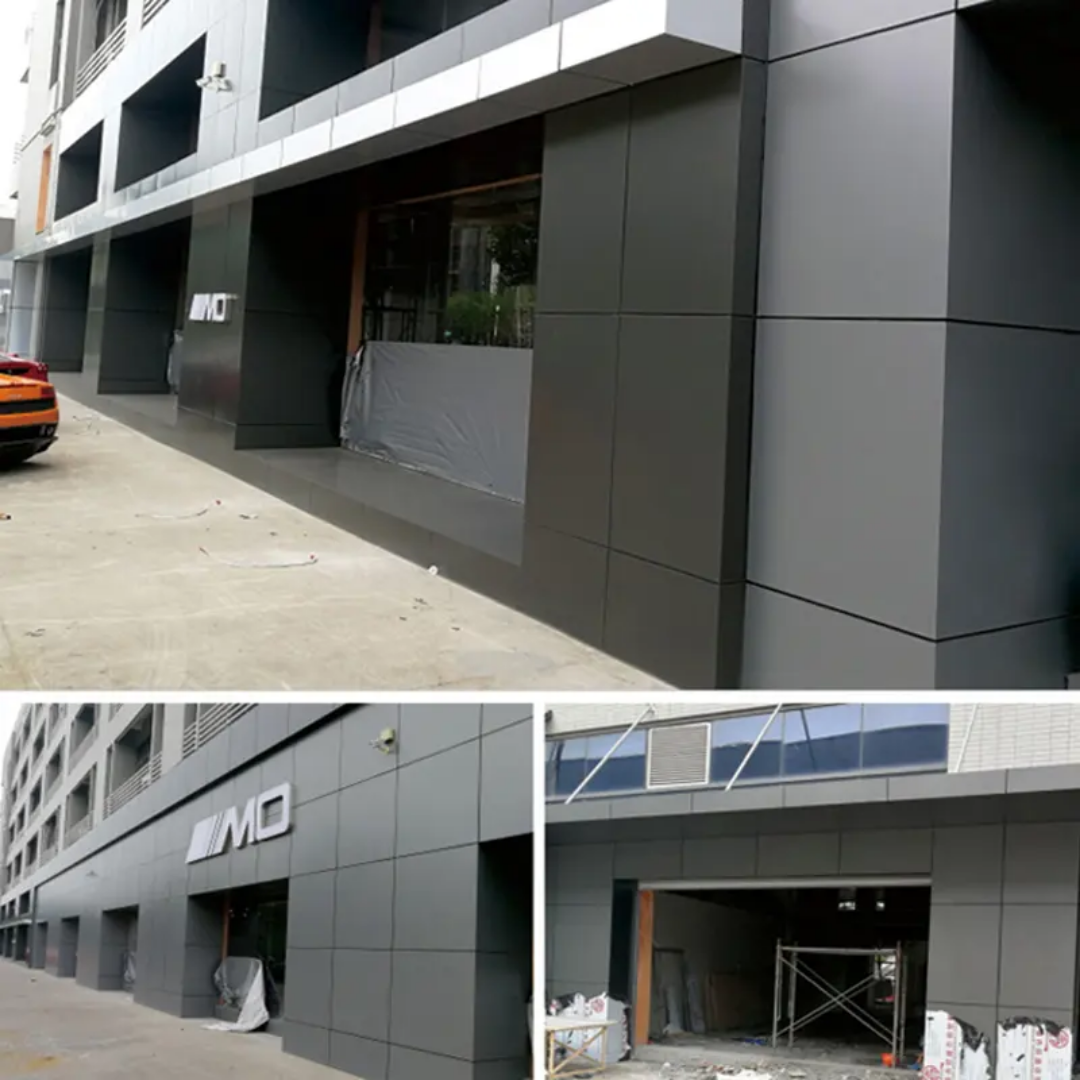
When considering a home exterior renovation, homeowners are faced with a myriad of material choices. Aluminum Composite Panels (ACP), long a staple of modern commercial architecture, are now making a notable entry into residential design. This raises a compelling question: Is ACP a forward-thinking upgrade for exceptional curb appeal, or is it an impractical overkill for your home? This article cuts through the hype to deliver a professional, balanced analysis.
The Allure: Why ACP is a Serious Contender for Homes
For those seeking a dramatic, contemporary transformation, ACP offers unique advantages that traditional materials struggle to match.
Unmatched Modern Aesthetic & Design Versatility: ACP provides the sleek, clean lines and seamless expanses that define modern and minimalist residential styles. Its availability in virtually any color, metallic finish, or realistic digital print (wood, stone, abstract patterns) allows for complete creative freedom. This enables architectural statement features like bold accent walls, crisp soffits, and streamlined fascias.
Durability with Minimal Maintenance: A high-quality ACP system with a PVDF coating (e.g., Kynar 500®) is exceptionally resilient. It resists fading, chalking, and weathering far better than most paints and stains. It won’t rot, warp, or attract pests like wood, and it’s immune to the cracking issues of stucco. An occasional wash with mild detergent is typically all the maintenance required.
Lightweight Yet Rigid Structure: Compared to stone or brick veneer, ACP is remarkably lightweight. This can simplify structural retrofits on existing homes, potentially reducing the need for extensive reinforcing of walls and foundations.
Energy Efficiency & Weather Resistance: When installed as part of a ventilated rainscreen system, ACP creates an air cavity that improves thermal insulation, reducing heating and cooling loads. The panels themselves and the system provide an excellent weather-resistant barrier against rain and wind when properly detailed.
The Practicalities: Key Considerations & Potential Drawbacks
ACP is not a universal solution. Its suitability depends on context, budget, and execution.
Cost Investment: ACP is a premium material. The project cost, including specialized panels, custom fabrication of trim pieces, and professional installation by certified cladders, is significantly higher than vinyl siding or painted wood. It is an investment in long-term value and design.
Critical Importance of Expert Installation: This is the single most important factor. Residential ACP is not a DIY project. Improper installation leads to oil-canning (surface ripples), moisture ingress, and joint failures. Success depends entirely on hiring contractors with proven experience in residential ACP systems and meticulous detailing.
Architectural Context & Resale Value: A sleek, modern ACP facade may look out of place in a neighborhood of traditional Craftsman or Colonial homes, potentially affecting resale appeal. However, in contemporary neighborhoods or as a striking accent, it can significantly boost curb appeal and perceived value.
Fire Safety & Code Compliance: For residential use, specifying fire-rated ACP cores (mineral-filled, Class A) is non-negotiable for safety and compliance with stringent residential building codes. Never use standard polyethylene (PE) core panels on a home.
Realistic Applications: Where ACP Shines in a Home
For most homes, ACP is best used strategically rather than as whole-house cladding.
Targeted Feature Elements: Create dramatic accent walls, modernize entryways, or sheath upper-floor volumes for a "floating box" effect.
Soffits, Fascias, and Architectural Detailing: Provide crisp, clean lines for eaves, overhangs, and trim that require zero painting.
Modern Renovations & Additions: Ideal for updating a dated exterior or cladding a new contemporary addition that contrasts purposefully with the original structure.
Replacement for Problematic Materials: An excellent long-term solution for homes with failing stucco, high-maintenance wood siding, or damaged fiber cement.
Verdict: A Strategic Upgrade, Not Overkill
ACP is neither a casual upgrade nor an automatic overkill. It is a high-performance, design-forward architectural material that, when used appropriately, can transform your home's exterior.
Choose ACP if:
You value cutting-edge, low-maintenance design.
Your project vision aligns with modern, minimalist, or contemporary architecture.
You have the budget for premium materials and specialized professional installation.
You intend to make a lasting architectural statement and increase your home's unique value.
Consider alternatives if:
Your primary goal is the lowest upfront cost.
Your home's style is deeply traditional and context-sensitive.
You plan on a DIY or a handyman-led installation.
Ultimately, ACP for residential use represents a conscious choice to invest in durable, modern design. With careful planning, the right expertise, and a focus on quality materials, it can be the defining factor in achieving unparalleled curb appeal that stands the test of time.






