Welcome to Vbond
ACP in High-Traffic Interiors: Solutions for Schools, Hospitals, and Airports
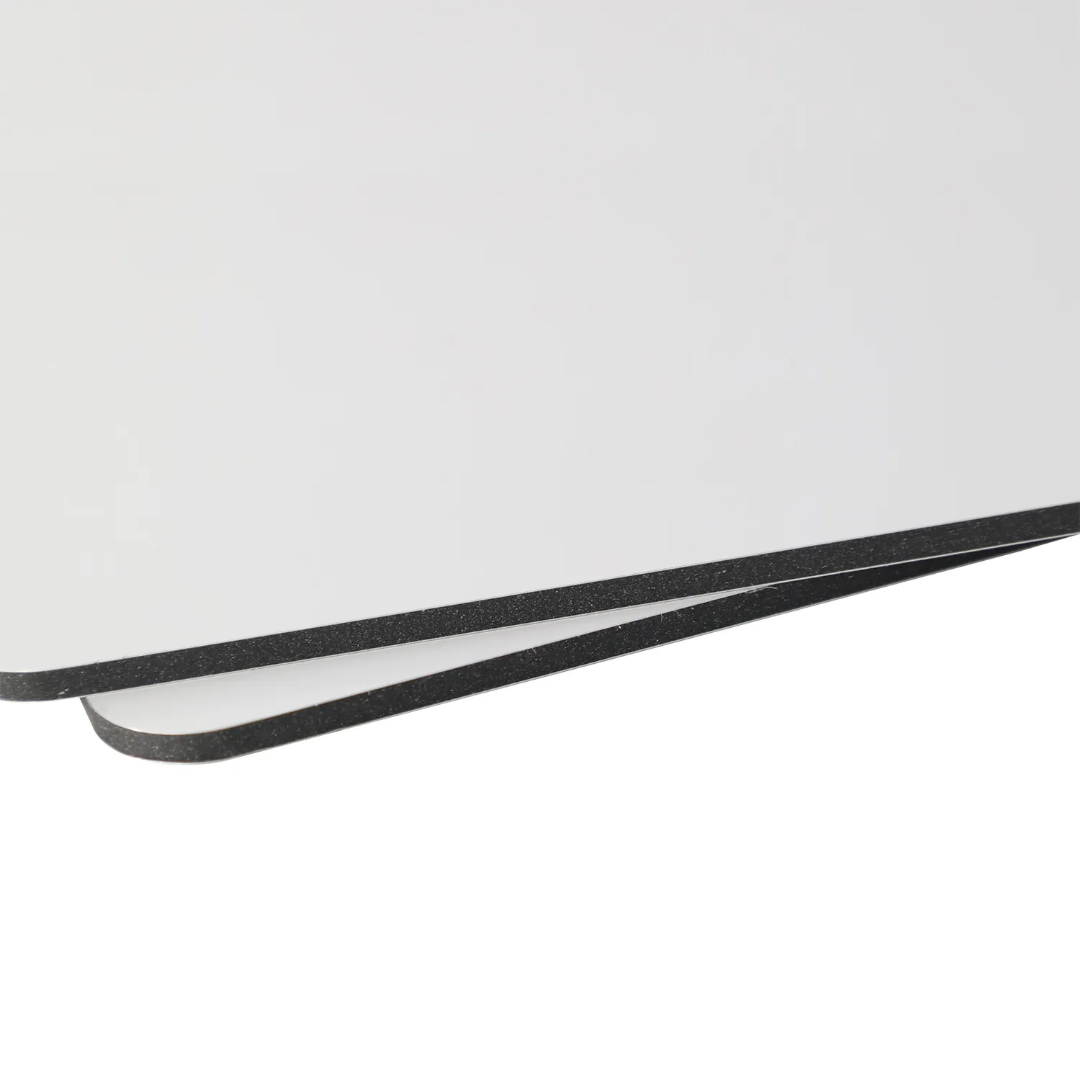
When specifying materials for public buildings, architects and facility managers face a common dilemma: how to balance aesthetic appeal with the punishing demands of high-traffic environments. In schools, hospitals, and airports—facilities that operate 24/7 and serve thousands of daily users—interior surfaces must withstand constant abuse while maintaining hygiene and safety standards. Increasingly, the answer lies in Aluminum Composite Panels (ACP). Once confined to exterior facades, ACP has emerged as the interior material of choice for spaces where durability meets design. This article explores how interior grade ACP solutions are transforming public infrastructure through advanced material science.
The Demands of High-Traffic Public Interiors
High-traffic environments present unique challenges that ordinary wall materials cannot satisfy. Schools contend with moving furniture, enthusiastic students, and frequent cleaning. Hospitals require sterile, hygienic surfaces that resist bacterial colonization. Airports face round-the-clock passenger flow, luggage impacts, and the need for clear wayfinding. In all these settings, maintenance budgets are stretched thin, and downtime for repairs is simply not an option.
Traditional materials—painted drywall, ceramic tile, wood paneling—often fail prematurely. Paint scuffs and chips. Tile grout harbors mold. Wood warps and stains. Aluminum composite panels offer a compelling alternative precisely because they were engineered to overcome these limitations.
Why ACP Excels in High-Traffic Environments
The basic construction of ACP—two thin aluminum skins bonded to a core material—provides inherent advantages for interior applications. The aluminum faces deliver a hard, non-porous surface that resists impact, scratches, and stains. The core, depending on specification, contributes fire resistance, rigidity, or acoustic performance. Together, these layers create a material that is simultaneously lightweight and incredibly durable.
1. Unmatched Durability and Impact Resistance
In school corridors, hospital hallways, and airport arrival zones, walls take a beating. Gurneys, luggage carts, backpacks, and cleaning equipment constantly impact surfaces. Standard ACP, with its rigid construction, withstands these forces without denting or cracking. For environments requiring extreme abrasion resistance, manufacturers now offer anti-scratch aluminium composite panels featuring abrasion-resistant top layers that defend against marks and physical damage during cutting, drilling, transport, and daily use. This durability translates directly into lower lifecycle costs—install once, maintain minimally, and replace rarely.
2. Hygienic Surfaces with Antibacterial Protection
Nowhere is hygiene more critical than in healthcare settings. Hospitals require materials that actively contribute to infection control rather than harboring pathogens. Advanced ACP solutions now incorporate antibacterial aluminum composite panels treated with silver-ion technology.
The mechanism is elegant: silver ions embedded in the panel coating are activated by moisture and continuously disrupt microbial activity. These surfaces achieve 99.9% reduction in harmful microbes, including E. coli, Salmonella, Staphylococcus aureus, and black mold. For hospital wards, operating theaters, and laboratories, this active protection represents a significant advancement over passive materials.
Schools and airports benefit similarly. In children's bathrooms, cafeteria serving lines, and high-touch waiting areas, antibacterial ACP reduces cross-contamination risks and supports overall public health objectives.
3. Fire Safety Compliance
Fire safety is non-negotiable in public buildings. Schools, hospitals, and airports must meet the strictest fire codes because they house vulnerable populations and large numbers of occupants. Standard ACP with polyethylene cores performs adequately for some interior applications, but high-traffic public spaces demand more. Fire-retardant ACP sheets (FR ACP) feature mineral-filled cores—typically magnesium hydroxide or aluminium trihydroxide—that resist ignition and slow flame spread.
These advanced panels are classified under international standards:
- Class B1: Limited combustibility with approximately 70% mineral content
- Class A2: Non-combustible grade with up to 90% mineral content
Critically, fire-retardant ACP emits significantly less smoke and produces no flaming droplets during fire exposure—factors that directly impact occupant survival during evacuation. For airport terminals and high-rise hospitals, these performance characteristics are life-safety essentials.
4. Moisture and Mold Resistance
Humidity is a constant challenge in public buildings. Hospital sterilization areas, school locker rooms, and airport restrooms experience frequent moisture exposure. Unlike wood, gypsum, or even painted drywall, ACP is completely waterproof and will not swell, warp, or delaminate. The non-porous surface denies mold and mildew a foothold, preserving indoor air quality and preventing the musty odors common in aging facilities.
5. Self-Cleaning Nanotechnology
Perhaps the most exciting development in interior ACP is the application of nanotechnology. Self-cleaning aluminium composite panels leverage two distinct mechanisms to reduce maintenance burdens :
- Photocatalytic self-cleaning uses nano-sized titanium dioxide (TiO₂) particles embedded in the panel surface. Under light, TiO₂ undergoes a photocatalytic reaction that decomposes organic dirt, oil stains, and microbial residue. Rainwater or simple washing then carries away the broken-down contaminants.
- Superhydrophobic nanostructures mimic the lotus leaf effect, creating a water contact angle greater than 150°. Water droplets bead up and roll off, carrying dust particles with them.
For airport terminals with towering atriums and hard-to-reach surfaces, or hospital corridors where cleaning labor is expensive, self-cleaning ACP represents a transformative maintenance solution.
Application-Specific Solutions
Schools and Educational Institutions
Schools demand materials that survive the chaos of daily education while supporting positive learning environments. Interior ACP delivers on multiple fronts:
Corridor wall cladding protects against scuffs from backpacks, lockers, and moving furniture. The smooth, non-porous surface resists graffiti and cleans easily with mild detergents—no harsh chemicals required. For science laboratories, anti-static ACP prevents dust accumulation and protects sensitive electronics. In cafeterias and kitchens, antibacterial and moisture-resistant grades maintain hygiene standards.
Acoustically, ACP can be perforated and combined with acoustic backing to improve classroom sound environments—critical for student comprehension. And with finishes ranging from vibrant gloss colors to realistic wood textures, designers can create stimulating spaces without sacrificing durability.
Hospitals and Healthcare Facilities
Healthcare applications push materials to their limits. ACP rises to the challenge:
ICU corridors and patient room walls benefit from antibacterial surfaces that actively reduce pathogen loads. The seamless installation eliminates grout lines and crevices where microbes hide. Operating theaters demand cleanability—ACP's non-porous surface withstands repeated disinfection with hospital-grade chemicals without degradation.
For sterilization departments and wet procedure areas, waterproof ACP prevents moisture intrusion that would destroy conventional wallboard. Waiting areas and public circulation spaces leverage impact-resistant panels that maintain their appearance despite heavy traffic and luggage contact.
Wayfinding is equally critical in complex medical campuses. ACP's excellent printability allows for integrated signage, department identification, and directional information applied directly to wall panels. The result is a cohesive, professional appearance that supports patient navigation.
Airports and Transportation Hubs
Airports represent the ultimate test of interior materials. Millions of passengers, thousands of luggage carts, and non-stop operations demand extraordinary resilience:
Check-in halls and baggage claim areas experience constant impact from luggage and carts. Heavy-gauge ACP with reinforced cores withstands this abuse while maintaining a premium appearance. The lightweight nature of ACP simplifies installation in these vast, logistically challenging spaces.
Restrooms benefit from moisture-proof, antibacterial panels that resist mold and simplify cleaning. Security screening areas require durable, easily cleanable surfaces that can handle high traffic and occasional spills.
Wayfinding signage integrated into ACP wall systems helps passengers navigate complex terminals efficiently. Large-format digital printing directly onto ACP creates stunning, durable graphics that withstand years of exposure.
Departure lounges and retail areas leverage ACP's aesthetic versatility—from brushed metallic finishes that evoke modernity to warm wood grains that create calm. The material can be curved, folded, and fabricated into complex forms, enabling the dramatic architectural statements that define contemporary airport design.
Design Flexibility Without Compromise
Beyond pure performance, ACP offers unparalleled design freedom—a critical consideration for architects shaping public spaces. The range of finishes available today is extraordinary:
- Glossy finishes create bright, reflective surfaces ideal for shops and welcoming areas
- Matte finishes provide subtle, non-reflective backgrounds for corporate or minimalist spaces
- Wooden finishes deliver natural warmth without wood's maintenance burden
- Marble and stone finishes achieve high-end aesthetics at lower cost and weight
- Mirror and brushed metal finishes add sophistication to lobbies and elevators
- Custom digital printing allows for branded environments, murals, and wayfinding integration
This aesthetic range means that functional requirements need never compromise design vision. A pediatric clinic can feature colorful, playful walls that are also antibacterial and impact-resistant. A premium airline lounge can achieve sophisticated wood-and-metal aesthetics with materials that meet strict fire codes.
Installation and Maintenance Considerations
For facility managers, ACP's practical advantages extend beyond durability. Installation is straightforward and fast compared to traditional materials, minimizing disruption in operating facilities. Panels can be adhesive-mounted for smooth substrates or mechanically fastened where additional security is needed.
Maintenance is remarkably simple. Routine cleaning requires only a soft cloth, mild detergent, and water. Harsh chemicals, abrasive pads, and pressure washers should be avoided as they can damage protective coatings. For self-cleaning grades, maintenance is even less demanding—rain or occasional damp wiping keeps surfaces pristine.
When damage does occur—and in high-traffic environments, it eventually will—individual panels can be replaced without disturbing adjacent areas. This modularity is a significant advantage over monolithic materials like tile or painted finishes.
Environmental and Sustainability Benefits
As public institutions face increasing pressure to demonstrate environmental responsibility, ACP delivers sustainability advantages. Aluminum is infinitely recyclable, and many manufacturers now use significant recycled content. Lightweight panels reduce transportation emissions and structural requirements. Durability means fewer replacements over the building's life, conserving resources. Certifications like RoHS and CE confirm compliance with strict environmental and safety standards.
For projects pursuing LEED certification or other green building ratings, ACP with Environmental Product Declarations (EPDs) and recycled content contributes valuable points.
Future Trends in Interior ACP
Material science continues to advance, and interior ACP evolves alongside it. Emerging technologies include:
- Photovoltaic films integrated with ACP for energy-generating surfaces
- Responsive nanocoatings that change properties based on temperature or pH
- Enhanced acoustic performance through advanced core materials and perforation patterns
- Improved antimicrobial technologies with even longer active lifespans
These innovations will further expand ACP's applicability in high-traffic public interiors.
Conclusion
For schools, hospitals, and airports, the choice of interior materials carries profound implications for safety, hygiene, maintenance budgets, and user experience. Aluminum Composite Panels have evolved far beyond their origins as exterior cladding to become sophisticated interior solutions engineered for the most demanding environments.
With fire-retardant cores that protect occupants, antibacterial surfaces that actively reduce pathogens, impact resistance that survives decades of abuse, and self-cleaning technologies that slash maintenance costs, ACP delivers performance that traditional materials cannot match. All while offering the design flexibility to create beautiful, welcoming spaces that serve the public with distinction.






