Welcome to Vbond
ACP in Interior Design: Creating Bold Feature Walls and Spaces
Introduction: From Facade to Focal Point—The ACP Transformation
Aluminum Composite Panel (ACP) technology is undergoing a strategic migration from its traditional domain of building exteriors and commercial signage into the core of contemporary interior architecture. No longer confined to the outer skin, ACP is emerging as a premium, high-performance interior finish for crafting statement-making environments. This shift is driven by its unparalleled ability to deliver the sleek, monolithic aesthetics of solid metal or stone, but with superior practicality, design flexibility, and cost control. This article explores how architects and interior designers are leveraging ACP to create bold feature walls, immersive spaces, and sculptural elements that define modern interiors.
1. The Designer's Toolkit: Why ACP Wins for Interiors
The intrinsic properties of ACP solve several common interior design challenges:
Flawless, Uninterrupted Surfaces: ACP's composite structure resists the oil-canning and subtle rippling common in large sheets of solid metal, delivering a perfectly flat, seamless appearance over expansive walls or ceilings—a critical factor for luxury and corporate interiors.
Lightweight Versatility: Its minimal weight allows for dramatic installations on non-structural walls and ceilings without heavy reinforcement. This enables the creation of suspended ceiling clouds, large-scale wall features, and full-height partitions with ease and safety.
Formability for Organic Design: ACP can be cold-formed on-site or shop-fabricated into sweeping curves, radiused corners, and complex 3D geometries. This allows designers to move beyond flat planes to create fluid, organic spaces that guide movement and perception.
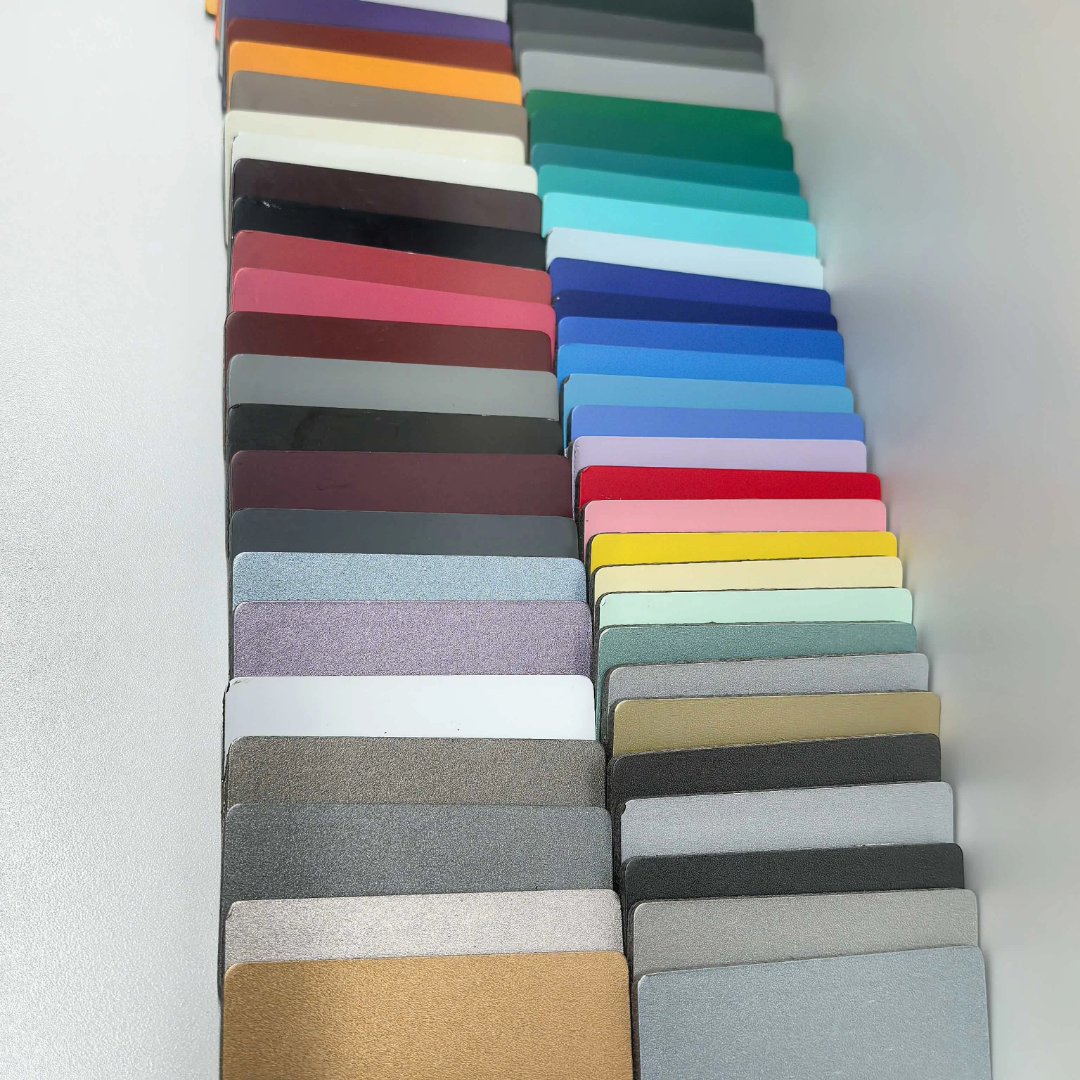
The Ultimate Finish Palette: The range of available finishes is vast and decisive. This includes high-gloss and mirror effects for dramatic reflection, satin and matte metallics for sophisticated texture, authentic woodgrain and natural stone reproductions via digital printing, and any custom color or graphic imaginable.
2. Strategic Applications for Maximum Impact
A. The Monumental Feature Wall
The feature wall is the anchor of a space. ACP elevates this concept from an accent to an experience.
Execution: Utilize full-height, floor-to-ceiling ACP panels with concealed joint systems for a monolithic look. Integrate discreet, shadow-line reveals to create rhythm and depth without visual clutter.
Finish Strategy: Choose a bold, high-gloss lacquer finish in a deep color to create a reflective, immersive backdrop in a lobby. Alternatively, use a digitally printed, textured pattern (concrete, fabric, abstract art) to set a thematic tone in a restaurant or boutique.
Professional Tip: For a truly seamless appearance in critical applications, specify thermoformed ACP, where the panel and its returns are formed from a single sheet, eliminating corner joints.
B. Sculptural Ceilings and Wayfinding Elements
Architects are using ACP to define space from above, guiding circulation and defining zones.
Execution: Fabricate modular, folded ACP cassettes that interlock to form dynamic ceiling canopies, floating bulkheads, or dimensional wayfinding portals in corridors.
Finish Strategy: Lighter colors and satin metallic finishes (brushed aluminum, champagne) help reflect light and make spaces feel larger. Contrasting finishes on folded edges can accentuate the three-dimensional form.
Professional Tip: Design these elements with integrated LED coves or linear lighting within the folds. The crisp edges of ACP create perfect reveals for clean, indirect lighting that highlights the sculptural form.
C. High-Traffic, High-Durability Surfaces
In environments where aesthetics must meet extreme durability, ACP is an ideal solution.
Application: Reception desks, concierge pods, elevator interiors, and retail counters. These elements suffer constant contact and require a surface that is both beautiful and resilient.
Finish Strategy: Specify anti-fingerprint matte or textured finishes for high-touch areas. For a seamless, hygienic application in corporate or healthcare settings, use ACP with a solid-color, non-porous finish that can be easily cleaned and disinfected.
Professional Tip: For furniture applications, ensure edges are finished with a folded hem or a solid aluminum edge trim for durability and a premium tactile feel. Internal structures should be reinforced.
3. Technical Considerations for Interior Specification
Specifying ACP for interiors requires adjustments from exterior practice:
1. Core Selection: Fire safety is paramount. Fire-retardant mineral cores are almost always required for interior applications to meet building codes for flame spread and smoke generation (e.g., Class A or similar ratings). Standard polyethylene (PE) cores are typically prohibited for interior wall and ceiling finishes.
2. Coating and Cleanability: While exterior-grade PVDF coatings are excellent, interior-specific PE or polyester coatings can offer a wider range of effects (deeper gloss, special textures) at a different price point. Consider cleanability and scratch resistance.
3. Acoustic Performance: ACP can contribute to room acoustics. Perforated ACP panels, when backed with sound-absorbing material, create an effective and visually refined acoustic wall or ceiling system for offices, auditoriums, and restaurants.
4. Installation & Detailing: Interior tolerances are finer. Focus on ultra-narrow joint details, seamless integration with other materials (glass, wood), and flawless surface protection during construction.
Conclusion: Redefining Interior Surfaces with Architectural Precision
ACP has successfully transcended its industrial origins to become a sophisticated tool for interior spatial design. It answers the modern demand for architectural-scale impact within interior spaces, offering a unique synthesis of monolithic aesthetics, practical formability, and strategic functionality. By treating interior surfaces with the same rigorous material technology as building facades, designers can create environments that are not just decorated, but architecturally defined. From a bold, graphic feature wall to a softly curved, luminous ceiling, ACP provides the means to craft spaces that are memorable, durable, and distinctly contemporary. Its future in interior design is not as a substitute for traditional materials, but as a new category of finish that enables forms and effects previously difficult or impossible to achieve.






