Welcome to Vbond
ACP in Transportation Hubs
ACP in Transportation Hubs: Durability Meets Design at Airports and Stations
Modern transportation hubs are more than just points of transit; they are gateways, first impressions, and complex ecosystems that demand exceptional performance from every material used. At the forefront of this architectural evolution is Aluminum Composite Panel (ACP) cladding, a material that masterfully bridges the critical gap between enduring durability and sophisticated design. This article explores how ACP is revolutionizing the built environment of airports, railway stations, and transit hubs worldwide, delivering solutions that meet stringent functional requirements without compromising on aesthetics.
The Unmatched Demands of Transportation Architecture
Transportation facilities face unique challenges: constant high-volume foot traffic, stringent safety and fire regulations, extreme environmental exposure, and the need for efficient, low-maintenance operation. Furthermore, they serve as iconic landmarks, requiring a design that reflects modernity, efficiency, and civic pride. ACP material emerges as the definitive answer, engineered to excel in these high-stakes environments.
Why ACP is the Material of Choice for Modern Hubs
1. Superior Durability and Longevity
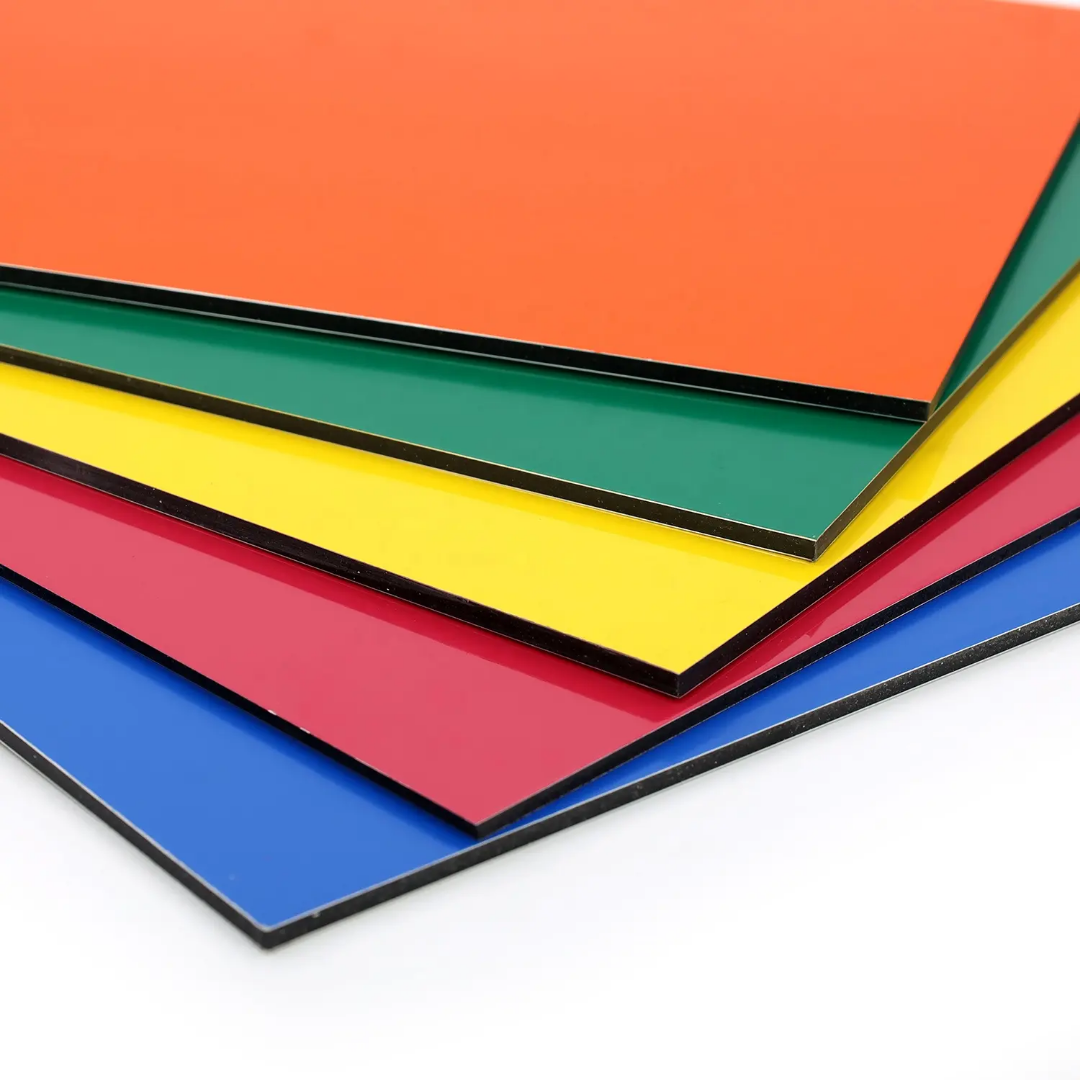
The core structure of ACP—a thermoplastic core bonded between two aluminum sheets—creates a panel that is remarkably strong yet lightweight. This translates to exceptional performance in key areas:
Impact Resistance: Withstands the inevitable bumps from luggage and equipment.
Weather Resilience: Excellent resistance to corrosion, UV radiation, and temperature fluctuations ensures facade integrity and color stability for decades, minimizing lifecycle costs.
Structural Integrity: The composite design resists warping and buckling, maintaining a flawless appearance over time.
2. Enhanced Safety and Fire Performance
Safety is non-negotiable in public transport hubs. Modern fire-retardant ACP and A2 fire-rated aluminum composite panels** are specifically formulated with mineral cores to meet the most rigorous international fire safety standards (such as EN 13501-1). This provides crucial time for evacuation and protects critical infrastructure, making it a responsible choice for tunnels, linings, and interior applications.
3. Design Versatility and Aesthetic Freedom
This is where ACP truly shines. It offers architects unparalleled creative liberty:
Color and Finish: Available in virtually any color, including metallic, stone, and wood effects, as well as high-gloss, matte, or brushed finishes.
Formability: ACP can be easily curved, folded, and shaped to create dynamic, flowing facades, iconic canopies, and sleek column claddings that define modern **transportation hub design.
Modular Efficiency: The panels facilitate fast, dry-installation, which is crucial for retrofit projects and tight construction schedules in operational hubs.
4. Functional Performance
Beyond looks, ACP contributes to smarter building management:
Thermal Insulation and Energy Efficiency: When used with proper backing, ACP systems improve a building’s thermal envelope, reducing energy costs for heating and cooling vast terminal spaces.
Acoustic Control: Specific core configurations can aid in noise reduction, a valuable asset in bustling stations and airports.
Easy Maintenance: The non-porous, coated surface is simple to clean and maintain, requiring only occasional washing to retain its like-new appearance.
Applications in Action: Airports and Stations
Airport Terminals: From expansive, light-reflecting ceiling systems and sleek airport facade cladding to intuitive wayfinding signage and durable interior retail spaces, ACP creates a cohesive, calm, and efficient passenger experience. Its lightweight nature is also a key advantage for expansive roof and canopy structures.
Railway and Metro Stations: Used for durable, vandal-resistant wall and column claddings, streamlined platform edge linings, and eye-catching exterior envelopes that become community landmarks. Its durability is essential for underground and semi-exposed environments.
Bus Terminals & Intermodal Hubs: Provides cost-effective, robust, and aesthetically pleasing solutions for high-traffic areas that must withstand constant use with minimal upkeep.
The Future is Integrated
The future of ACP in transportation design lies in integration with smart technologies. We are moving towards "smart cladding" systems where ACP can incorporate embedded lighting (LED integration), digital signage, or even photovoltaic cells, further enhancing the functionality and sustainability of transit hubs.
Conclusion: The Strategic Building Envelope Solution
In the demanding world of transportation architecture, every material decision must carry its weight. Aluminum Composite Panel (ACP) is not merely a cladding option; it is a comprehensive building envelope solution that delivers a powerful synergy of resilience, safety, and aesthetic potential. By specifying high-performance ACP, developers, architects, and engineers invest in infrastructure that is built to last, designed to inspire, and engineered to facilitate the seamless flow of people—today and for decades to come. It is where truly durable, sustainable design meets the dynamic life of our global transit points.






