Welcome to Vbond
ACP Panel Size Optimization: Reducing Waste on Your Specific Project
In the world of modern construction and facade design, the Aluminum Composite Panel (ACP) reigns supreme due to its versatility, durability, and sleek aesthetic. However, one of the most persistent challenges faced by contractors, architects, and facade engineers is material waste. Poor planning of ACP panel sheet sizes can lead to budgets spiraling out of control and timelines extending due to re-cuts.
This comprehensive guide dives deep into ACP panel size optimization, providing you with actionable strategies to reduce waste on your specific project. By understanding standard dimensions, leveraging custom sizing, and applying precise calculation methods, you can achieve a leaner, more cost-effective, and environmentally friendly build.
Understanding the Basics of ACP Panel Sheet Size
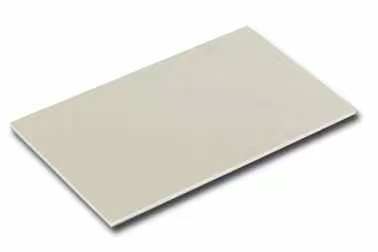
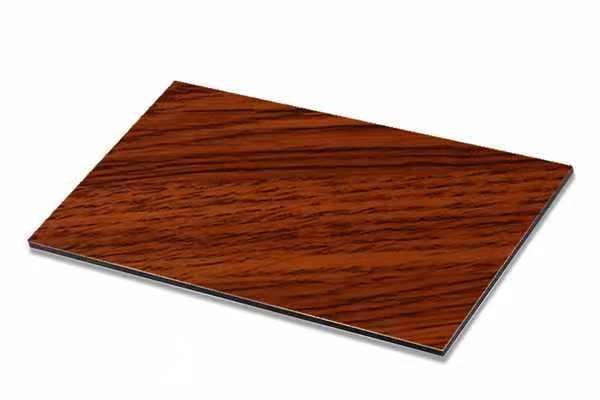
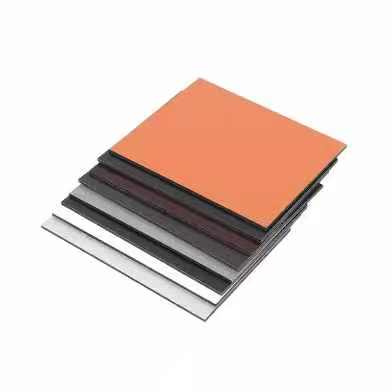
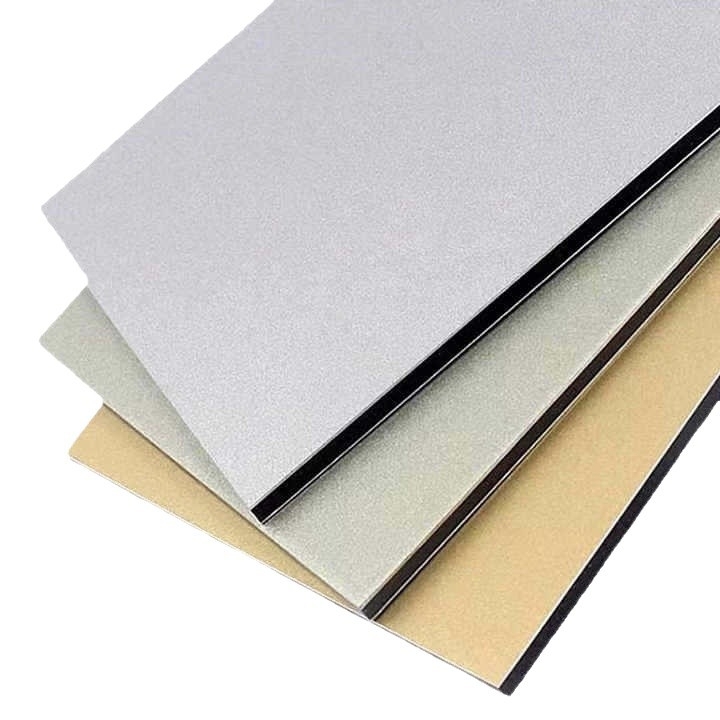
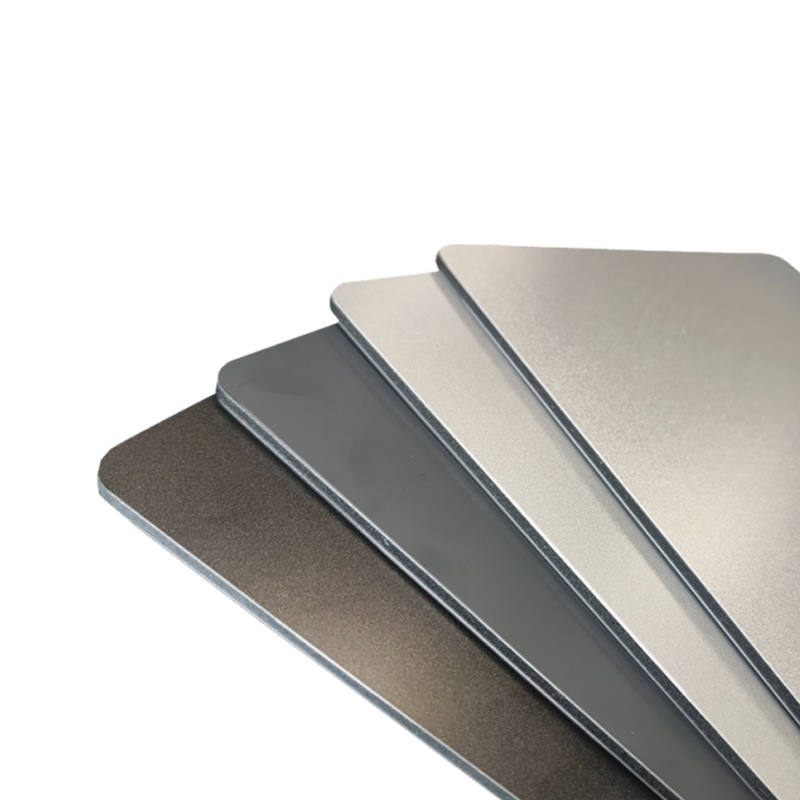
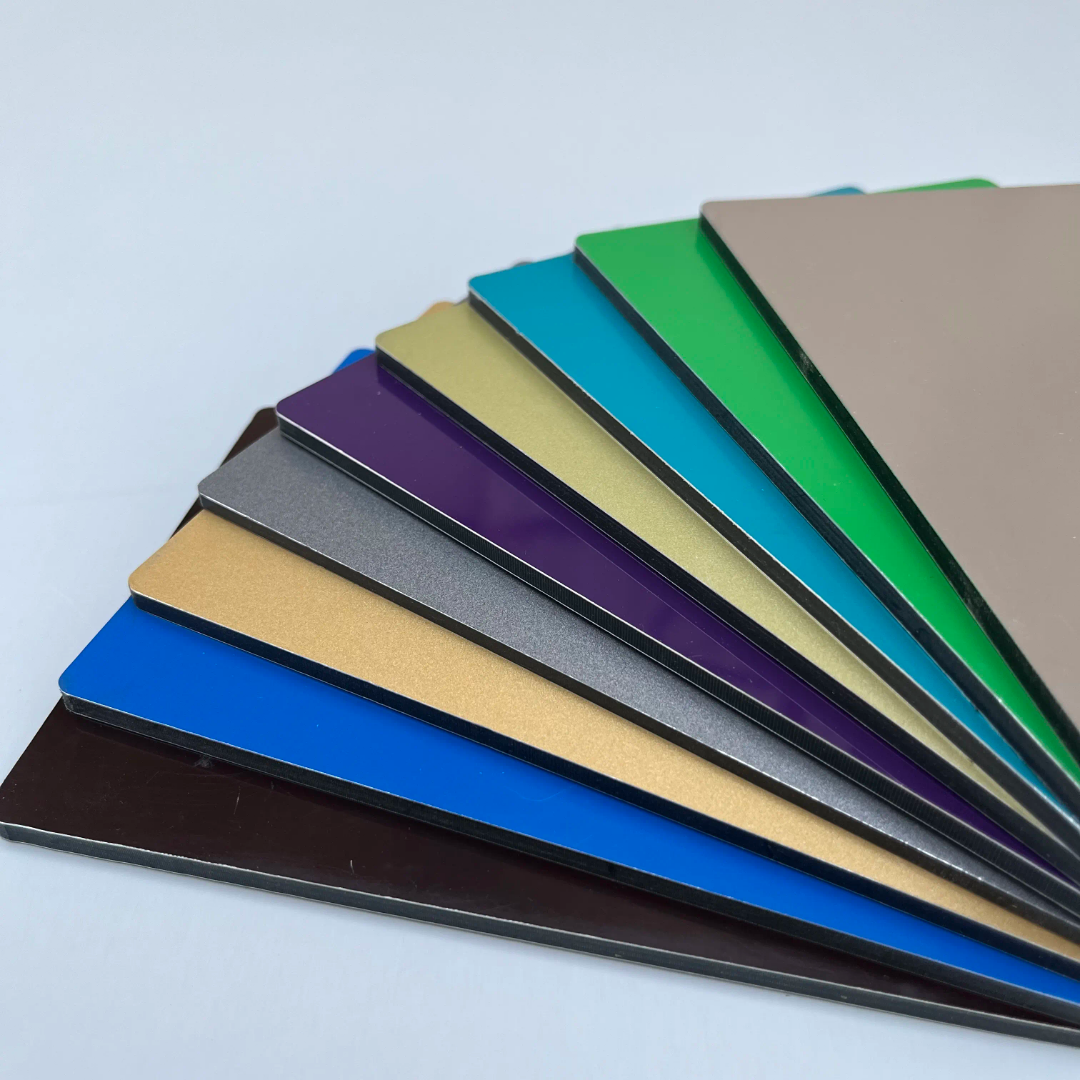
Before diving into optimization, it is crucial to understand the fundamental dimensions of the material you are working with. ACP sheets are composite materials made of two thin aluminum layers bonded to a non-aluminum core, typically polyethylene or a fire-retardant mineral core .
Standard Industry Dimensions
Globally, ACP manufacturers produce panels in several standard sizes to streamline supply chains and reduce costs. The most common ACP panel sheet size found in the market is 1220mm x 2440mm, which is equivalent to the imperial 4 feet x 8 feet sheet . This size is prevalent because it balances ease of handling with sufficient coverage.
Other common dimensions include:
- Width: Ranges from 1000mm to 1500mm to accommodate different transport and framing needs .
- Length: Can extend from 2440mm up to 4050mm or even 4880mm for specific large-scale projects .
- Thickness: Generally varies between 3mm and 6mm. While 3mm is often sufficient for interior applications, 4mm is the industry standard for exterior cladding to withstand weather conditions .
Understanding these parameters is the first step in ACP panel size optimization. Ordering the correct stock size means you spend less time cutting and more time installing.
The High Cost of Waste in ACP Projects
Material waste is not just an environmental issue; it is a direct hit to your bottom line. When you cut a standard 1220mm x 2440mm sheet to fit a non-modular facade dimension, the offcuts often become useless scrap.
Common causes of waste include:
- Poor Layout Planning: Failing to align the building"s modular grid with the panel dimensions.
- Ignoring Opening Cutouts: Not accurately subtracting the area of windows and doors from total surface calculations .
- Damage During Handling: Struggling with panels that are too large for the site conditions, leading to edge damage .
- Inefficient Cutting Patterns: Not nesting smaller required pieces onto larger stock sheets effectively.
By focusing on ACP panel size optimization, you can reclaim much of this lost value.
Strategies for ACP Panel Size Optimization
Optimizing your panel sizes requires a shift from reactive cutting to proactive planning. Here are the key strategies to implement on your specific project.
1. Align Design with Standard Modules
The most effective way to reduce waste is to design your facade or cladding layout around standard ACP panel sheet sizes. If the market norm is 1220mm x 2440mm, designing your wall modules in increments of 1220mm (width) and 2440mm (height) ensures full coverage without cuts.
Tip: For large-scale commercial projects, consider the availability of "jumbo" sizes. Some manufacturers offer panels up to 1500mm x 4000mm or custom dimensions, which are ideal for creating seamless, uninterrupted facades . While these might cost more per sheet, they can drastically reduce labor and waste costs by eliminating joints and offcuts.
2. The 5-10% Rule: Calculating Exact Quantities
Optimization isn"t just about the size of the panel; it"s about the number of panels. A common mistake in procurement is ordering based on gross square footage without accounting for cutting loss.
To optimize your order:
- Step 1: Calculate the exact net surface area (Height x Width of the facade, minus openings).
- Step 2: Divide the net area by the coverage of your chosen panel (e.g., 2.98 m² for a 1220x2440mm panel).
- Step 3: Account for waste. For simple rectangular layouts, add 5% for waste. For complex geometries with many corners or cuts, add 10% .
This method ensures you have enough material for "drop pieces" (smaller sections cut from larger sheets) without over-ordering virgin material.
3. Leverage Customization for Complex Geometries
While standard sizes are cost-effective for basic applications, unique projects often require unique dimensions. Modern manufacturing allows for significant flexibility. If your project involves curved surfaces, intricate patterns, or specific column cladding, opting for custom-sized ACP sheets can actually reduce waste .
When to customize:
- When you have repetitive non-standard wall bays.
- When you need to integrate panels with specific curtain wall systems.
- When you want to eliminate horizontal or vertical seams for a cleaner look.
By ordering panels that are pre-cut to your project’s specific requirements, you eliminate on-site cutting errors and the waste associated with them. However, always balance this against the potential higher unit cost and longer lead times .
4. Optimize for Structural Load and Handling
ACP panel size optimization is not just about geometry; it"s about physics. Larger panels cover more area faster, but they also weigh more. The weight of ACP generally ranges from 3 to 6 kg per square meter .
Choosing a slightly thicker panel (e.g., 4mm instead of 3mm) might increase durability and reduce the need for complex substructures, but it also increases dead load . If you opt for very large panels to reduce waste, you must ensure your structural support and installation crew can handle the weight and wind uplift pressures. A panel that is damaged during installation because it was too large to handle safely becomes the biggest waste of all.
Applications and Use Cases
Different projects demand different optimization strategies.
- High-Rise Facades: For skyscrapers, safety and speed are paramount. Using larger, custom-sized panels reduces the number of joints (potential water ingress points) and speeds up installation. Optimization here focuses on reducing installation labor and improving the building envelope .
- Interior Wall Cladding: For interiors, where panels are often used for decorative feature walls, smaller standard sizes are usually more efficient. They are easier to transport through buildings and replace if damaged.
- Column Covers and Soffits: These areas often require specific widths. Instead of cutting down large sheets and wasting the offcut, it is often more economical to source or order panels with the exact required width, even if the length is standard .
Long-Term Value of Size Optimization
Investing time in ACP panel size optimization yields significant long-term dividends:
1. Cost Savings: Direct reduction in material purchase costs and disposal fees for scrap.
2. Sustainability: Less waste in landfills aligns with green building certifications like LEED. Efficient sizing supports material recycling and reduces energy consumption .
3. Installation Speed: Precisely sized or well-planned panels fit faster, reducing labor hours and scaffolding rental periods.
4. Aesthetics: Fewer cuts mean cleaner edges and a more professional finish. Field cuts can sometimes lead to chipped edges or uneven seams, whereas optimized factory-cut edges are pristine.
Conclusion
ACP panel size optimization is a critical discipline that bridges the gap between architectural vision and practical construction management. Whether you choose standard 1220mm x 2440mm sheets for their availability or custom jumbo sizes for their seamless appearance, the goal remains the same: cover the maximum area with the minimum cuts.
By measuring accurately, accounting for wastage, and aligning your design with available dimensions, you can ensure that your specific project is not only visually stunning but also financially and environmentally responsible. Remember, in the world of cladding, the best waste is the waste you never create.