Welcome to Vbond
ACP vs. HPL Panels: The Ultimate Showdown for Modern Cladding
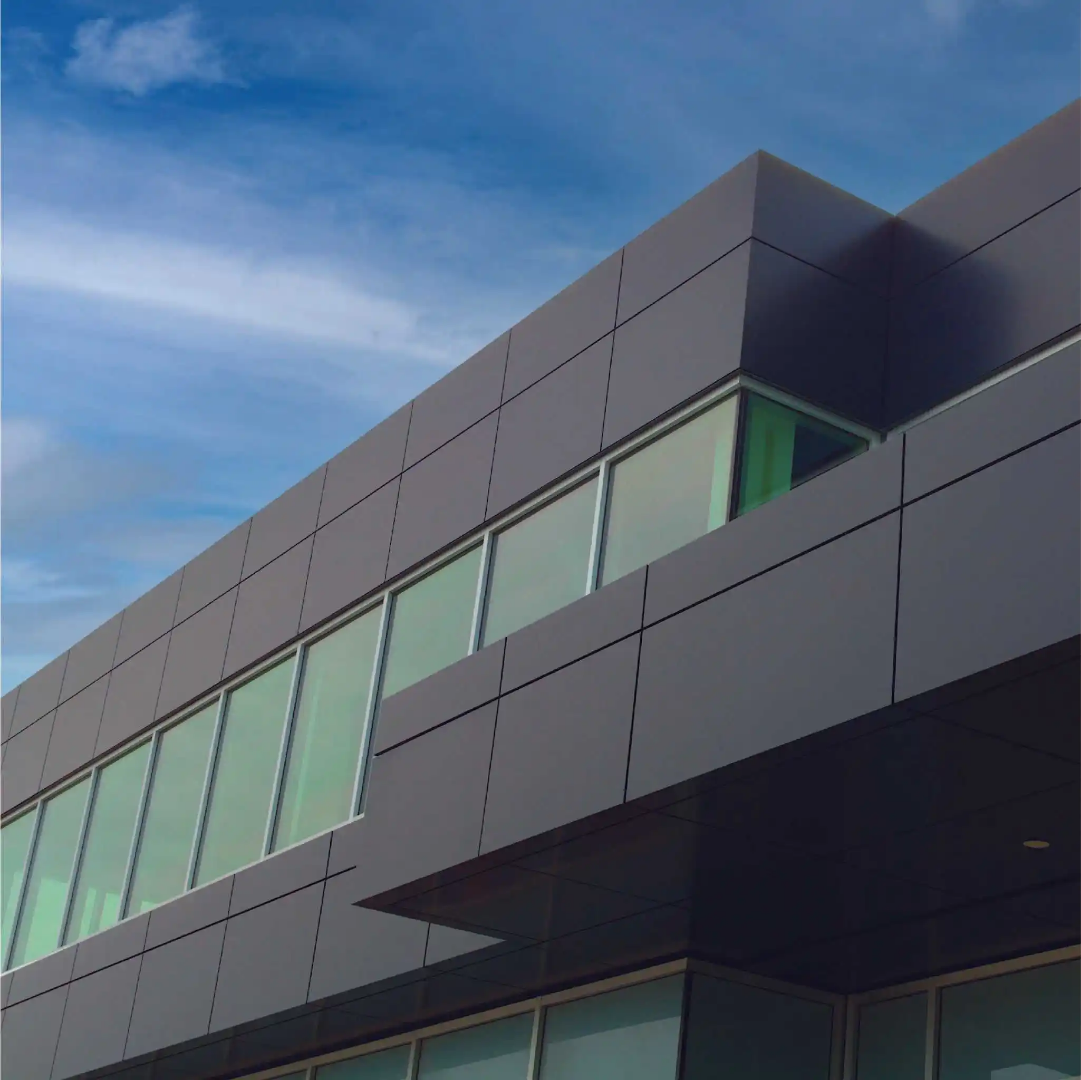
Choosing the right cladding material is one of the most critical decisions in modern architecture and construction. It defines a building's aesthetic, determines its long-term durability, and impacts its performance and safety. In this arena, two materials dominate the conversation: Aluminium Composite Panels (ACP) and High-Pressure Laminate (HPL) panels. While both are popular choices for creating sleek, contemporary facades, their underlying characteristics, strengths, and ideal applications are distinctly different. This article provides a detailed, professional comparison to guide your next project decision.
The Core of the Matter: Understanding Material Composition
The fundamental differences between ACP and HPL begin with how they are made, which dictates nearly every aspect of their performance.
Aluminium Composite Panels (ACP): ACP is a sandwich panel featuring two thin, coil-coated aluminum sheets bonded to a core material. The core can vary, from standard polyethylene (PE) to fire-retardant (FR) or non-combustible mineral-filled cores. This composite structure makes ACP exceptionally lightweight and gives it a distinctly metallic, sleek aesthetic often associated with modern commercial architecture.
High-Pressure Laminate (HPL): HPL is created by fusing multiple layers of resin-impregnated kraft paper under intense heat and pressure. The top decorative layer provides the color or texture, which is embedded into the material. This process results in a dense, solid panel renowned for its ability to replicate natural materials with deep, authentic textures like wood grain, stone, and slate.
Head-to-Head Comparison: Key Performance Factors
To objectively compare these materials, let's examine the critical factors that influence a cladding choice, supported by a direct comparison table for clarity.
Feature | Aluminium Composite Panels (ACP) | High-Pressure Laminate (HPL) |
Core Structure | Two aluminum sheets with a polyethylene (PE), fire-retardant (FR), or mineral core. | Multiple layers of resin-impregnated kraft paper. |
Primary Aesthetic | Sleek, modern, and metallic. Offers solid colors, metallic sheens, and some printed wood/stone effects. | Warm, natural, and textured. Excels at realistic wood, stone, and matte finishes with tactile depth. |
Weight & Installation | Very lightweight, enabling faster and less expensive installation. Requires lighter substructures. | Significantly heavier, requiring more robust support framing. Installation is more labor-intensive. |
Durability & Impact | Good weather resistance, but can be prone to denting from hail or impact due to its aluminum skin and softer core. | Extremely impact-resistant and scratch-resistant. The solid, dense composition makes it highly durable against physical damage. |
Fire Safety | Varies by core. PE cores are flammable, while FR and A2 mineral cores offer high fire resistance and are suitable for regulated high-rise buildings. | Generally combustible (typically Euroclass B or C). Fire performance relies on added retardants; the organic paper/resin base has a high calorific value. |
Climate Performance | Excellent UV and corrosion resistance, especially with PVDF coatings. Ideal for harsh, coastal, or sunny environments. | Good overall resistance, but may be susceptible to moisture ingress at edges in highly humid climates. Performs well in temperate zones. |
Design Flexibility | Highly formable and bendable. Can be curved and folded into complex 3D shapes, offering significant design freedom. | Rigid and not easily bent. Best suited for flat or simply articulated facades. |
Cost Perspective | Generally lower initial cost for both material and installation, making it a budget-friendly choice. | Higher initial material cost, coupled with potentially higher installation expenses due to weight and handling. |
Sustainability Angle | Aluminum skins are highly recyclable. However, the plastic core can be an environmental concern unless separated. | Often uses FSC-certified paper and some recycled content. The resin base is less easily recycled at the end of life. |
Making the Right Choice: A Project-Based Guide
The "best" material is entirely dependent on your project's specific needs. This guide helps you align your priorities with the right cladding solution.
Choose Aluminium Composite Panels (ACP) if your project requires:
A Modern, Corporate Look: You're designing a commercial office tower, retail space, or airport that demands a sleek, futuristic, or high-tech aesthetic.
Complex Geometric Designs: The facade design calls for curves, sharp folds, or non-linear shapes that require a formable material.
Lightweight Construction for High-Rise: The building's height or structural design benefits from a very light cladding system. For tall buildings, you must specify A2-grade mineral cores to meet stringent fire safety codes.
Harsh Climate Resilience: The building is located in a coastal area with salt spray or a region with intense, year-round UV exposure.
Tight Budget and Timeline: You need a cost-effective material that is quick to install to control overall project costs and meet aggressive deadlines.
Choose High-Pressure Laminate (HPL) if your project demands:
Natural and Warm Aesthetics: The goal is a residential, hospitality, or institutional building that evokes warmth, texture, and a connection to nature through realistic wood or stone finishes.
Superior Impact and Scratch Resistance: The facade is in a high-traffic area, a school, or a location prone to incidental impact where maintaining a flawless, dent-free surface is paramount.
Enhanced Thermal and Acoustic Comfort: The solid, dense composition of HPL provides better thermal insulation and noise reduction compared to the more conductive metal surface of ACP, contributing to a quieter, more energy-efficient building envelope.
Low-Maintenance Longevity: You seek a material that resists fading, scratching, and wear with minimal upkeep. HPL's integrated color and texture mean damage is less visible, and it doesn't require polishing to maintain its appearance.
Final Verdict
There is no single winner in the ACP vs. HPL showdown; there is only the right tool for the job.
HPL is the expert in delivering rich, natural aesthetics, exceptional durability against daily wear, and a sense of premium, tactile quality, making it ideal for projects where visual warmth and long-term, low-maintenance performance are priorities.
By carefully weighing the project's design intent, location, budget, and performance requirements against the detailed profiles of ACP and HPL, architects, developers, and builders can make an informed, confident decision that ensures a successful and enduring building facade.






