Welcome to Vbond
ACP vs. Traditional Cladding: Which is More Cost-Effective?
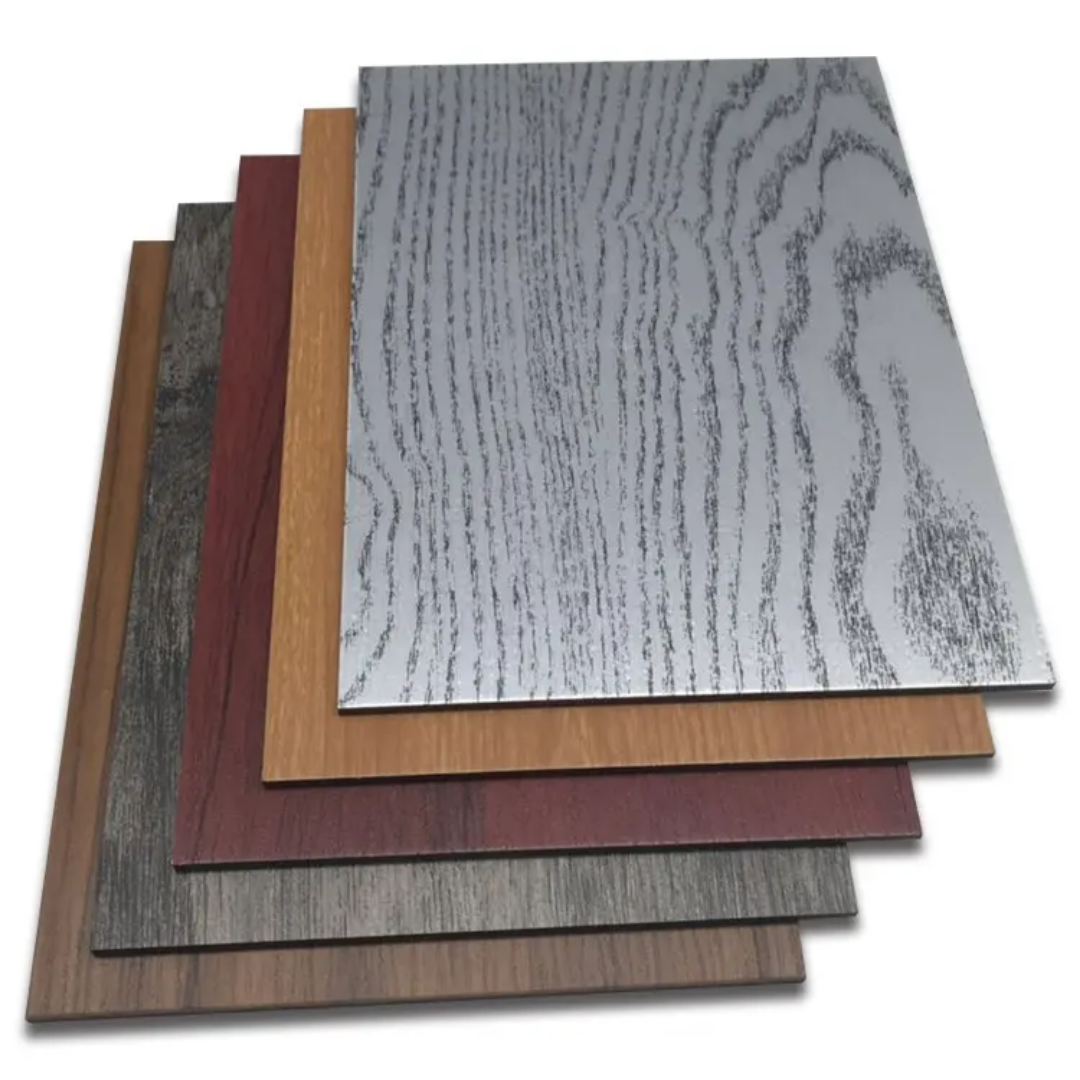
When selecting cladding for a building, the decision often centers on a single, critical question: which option is truly more cost-effective? While the initial price tag of Aluminum Composite Panels (ACP) or traditional materials like brick, stone, or fiber cement is a clear starting point, a professional cost analysis must go much deeper. True cost-effectiveness is determined over the lifetime of the building, encompassing everything from installation to maintenance, energy consumption, and even insurance implications.
For architects, developers, and facility managers, the choice between modern ACP and time-tested traditional cladding is not merely aesthetic—it's a significant financial and operational decision with long-term consequences for the building's performance and value.
The Core of the Debate: Upfront Cost vs. Life-Cycle Cost
At first glance, ACP often presents a compelling upfront cost advantage. Its lightweight nature (typically with a 4mm standard thickness consisting of aluminum skins and a core material) and modular, large-panel design lead to faster, less labor-intensive installation. This can translate to lower initial construction costs compared to masonry, which is more material-heavy and requires skilled labor for bricklaying.
However, cost-effectiveness is a marathon, not a sprint. A Life Cycle Cost Analysis (LCCA) is the professional framework for this evaluation, accounting for all costs from acquisition and installation to operation, maintenance, and disposal over the building's lifespan. This holistic view often reshapes the initial financial picture.
A Comparative Breakdown: Where Costs Accrue
The table below outlines where key costs diverge between ACP and traditional masonry cladding (like brick or stone) over the building's life cycle.
Cost Factor | Aluminum Composite Panels (ACP) | Traditional Masonry (Brick/Stone) | Notes & Long-Term Impact |
Initial Material & Install | Generally lower. Lightweight panels enable faster installation with smaller crews. | Generally higher. High material weight and skilled labor for laying increase time and cost. | ACP's initial savings are clear, but this is just the starting point. |
Maintenance | Requires periodic cleaning and inspection. May require recoating/repainting every 15-25 years, depending on finish. | Exceptionally low. Brick, for instance, requires virtually no maintenance and does not need paint or sealants. | This is where masonry builds a significant advantage, eliminating recurring costs. |
Durability & Repair | Can be susceptible to impact damage. Repair may involve panel replacement. Fire-resistant mineral cores (A2 grade) are available but at a higher cost. | Extremely durable. Resistant to fire (does not combust), impact (e.g., hail), and extreme weather. Minor repointing may be needed after decades. | Masonry's durability can lead to lower repair costs and lower insurance premiums. |
Energy Efficiency | Thermal performance varies. In hot climates, stone cladding has been shown to reduce cooling loads compared to some ACP systems. | Excellent thermal mass. Materials like brick and stone absorb and slowly release heat, stabilizing indoor temperatures and reducing HVAC loads. | Superior thermal performance directly lowers long-term operational energy costs. |
Lifespan & End Value | Typical lifespan of 20-30+ years with proper maintenance. | Often lasts the lifetime of the building (75+ years) with no degradation in performance. | Masonry contributes to higher resale value and is a permanent investment rather than a future replacement cost. |
Key Factors That Tip the Financial Scales
1. Building Height and Scale: ACP's lightweight offers dramatic savings on structural support for high-rise buildings, a cost rarely offset by traditional materials. For low-rise construction, this advantage diminishes.
2. Design Complexity: ACP is highly flexible and can be easily formed into curves and complex shapes off-site, potentially saving costs on intricate designs where custom stonework or brick detailing would be prohibitively expensive.
3. Climate and Energy Codes: In regions with stringent energy codes or extreme climates, the passive thermal benefits of brick or stone can provide long-term savings that justify the higher initial outlay. Research in hot climates recommends stone cladding for its superior thermal performance and fire resistance.
4. Fire Safety and Insurance: The fire performance of cladding is a major cost and safety factor. While fire-resistant ACP (with mineral cores) is available, traditional brick is inherently non-combustible. This can lead to reduced insurance premiums and eliminate the catastrophic risk and cost associated with combustible cladding failures.
Making the Right Choice: A Strategic Framework
There is no universal "winner." The most cost-effective choice depends entirely on the project's specific parameters:
Choose ACP when: The project has a tight initial construction budget, involves high-rise construction where weight is critical, features complex geometric designs, or has a shorter intended lifecycle. Best for: Commercial facades, modern architectural features, retrofit projects, and mid-rise buildings where speed of installation is paramount.
Choose Traditional Masonry when: The project prioritizes lifetime value, minimal maintenance, superior durability, and passive energy efficiency. The building is in an area with high fire risk or extreme temperature swings. Best for: Residential construction, institutional buildings (schools, hospitals), projects where heritage or permanence is valued, and any building designed to stand for a century or more.
Professional Recommendation: Never base the decision on material cost per square meter alone. Conduct a preliminary Life Cycle Cost Analysis (LCCA) that models initial costs, estimated maintenance cycles, energy savings, and potential replacement costs over a 30-50 year period. Engage a façade consultant early to align material selection with the building's performance requirements, local climate, and regulatory environment.
Conclusion
The debate between ACP and traditional cladding is fundamentally a question of financial perspective. ACP often wins on short-term, upfront capital cost, while traditional masonry consistently proves its worth in long-term, whole-life value. For a temporary or budget-driven commercial structure, ACP presents a compelling modern solution. For a legacy building meant to endure with minimal upkeep and maximal resilience, the enduring investment in brick, stone, or high-quality fiber cement is invariably the more cost-effective choice over the full lifespan of the asset.
Ultimately, the most cost-effective cladding is the one that aligns perfectly with the building's functional requirements, aesthetic goals, and financial model—viewed through the indispensable lens of time.






