Welcome to Vbond
Alucobond Aluminum Skin Thickness vs. Bend Cracking: The 0.3mm Rule Explained
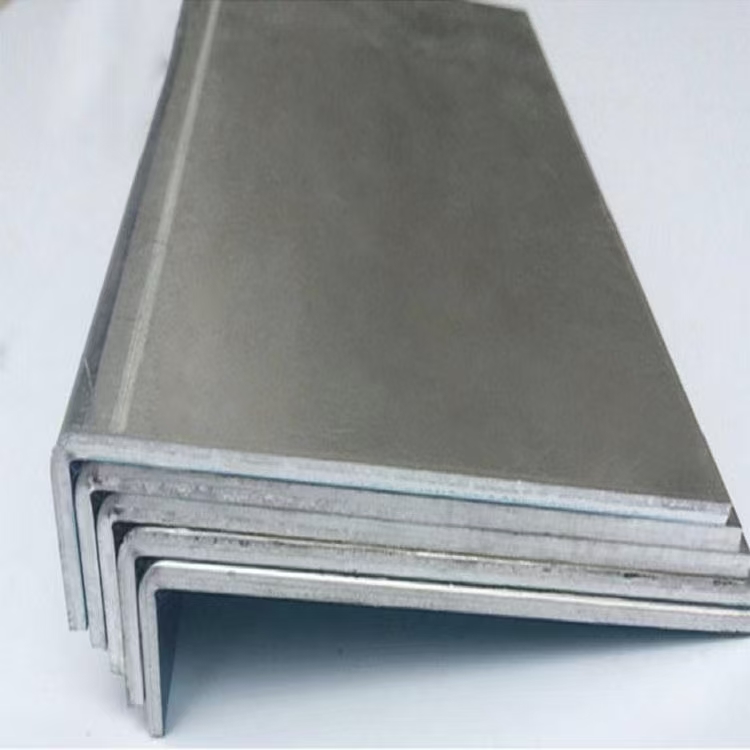
Alucobond Aluminum Skin Thickness vs. Bend Cracking: The 0.3mm Rule Explained
You spec Alucobond for its flatness, durability, and clean aesthetics. You trust the fabricator to fold it correctly.
But folded edges crack. Panels fail. Projects get delayed.
The culprit often traces back to one number: 0.3mm.
This guide explains the 0.3mm rule. You will learn why this number matters. You will understand how skin thickness and routing depth interact. And you will know exactly what to demand from your fabricators to prevent cracking.
Alucobond is a sandwich panel. Two aluminum cover sheets bond to a core.
For standard 3mm and 4mm panels, each aluminum cover sheet measures 0.5mm thick. The core—either polyethylene or mineral-filled—sits between them.
When you fold a panel, the fabricator routes a V-shaped groove into the back side. This groove removes the rear aluminum skin and most of the core. The front aluminum skin stays intact. That remaining skin becomes the hinge for the fold.
The key question: How much material should remain at the bottom of that groove?
The 0.3mm Rule Explained
The industry standard is simple.
Leave 0.3mm of core material on top of the front aluminum skin.
This 0.3mm layer—roughly the thickness of three sheets of paper—provides critical support during bending. It cushions the front skin. It distributes bending stress evenly. It prevents the aluminum from tearing.
Route too deep and you remove that protective layer. The front skin lacks support. It cracks along the bend line.
The 0.3mm rule applies to standard 4mm panels with 0.5mm aluminum skins. Some manufacturers specify a range of 0.2mm to 0.3mm for different applications. But the principle remains: leave enough material to support the fold.
Why 0.3mm? The Science Behind the Number
This number is not arbitrary. It comes from the T-bend test (ASTM D4145).
Paint manufacturers use this test to rate coating flexibility. They bend a painted metal sample back on itself. Zero T means the metal folds completely flat. One T means one thickness of metal sits between the folds. Two T means two thicknesses.
Here is the critical connection: Leaving 0.3mm of core material on top of the skin typically produces a Two T radius.
Why does this matter? Mitsubishi Plastics Composites America—the maker of ALPOLIC—recommends a minimum radius of 2mm to prevent paint film cracking. The 0.3mm residual thickness achieves that 2mm radius.
If you route deeper and leave less than 0.3mm, the bend radius shrinks. The panel bends too tightly. The coating cracks.
What Happens When You Ignore the 0.3mm Rule
Consequence | What It Looks Like | Why It Matters |
Aluminum skin cracks | Visible fractures along the fold line | Panel is structurally compromised |
Paint film cracking | Coating splits at the bend | Moisture enters, corrosion starts |
Voided warranty | Manufacturer rejects the claim | You pay for replacement |
Reduced weather resistance | Core exposed to moisture | Swelling, delamination |
Uneven folds | Panels do not align | Installation delays, poor aesthetics |
The Warranty Trap
This is the part most buyers miss.
Paint warranties depend on proper bending technique. If the bend radius does not meet the Two T requirement—typically caused by over-routing— the paint warranty is voided.
That means your expensive PVDF coating warranty is worthless. You paid for 20-year color retention. You get nothing.
The fabricator saves a few minutes by routing deeper. You lose thousands in warranty coverage.
Skin Thickness Options: What Buyers Should Know
Not all Alucobond panels use 0.5mm skins. Different manufacturers offer different specifications.
Aluminum Skin Thickness | Common Applications | Bending Considerations |
0.21mm | Interior, light-duty | More prone to cracking; requires precise routing |
0.30mm | General purpose | Moderate flexibility |
0.40mm | Exterior, heavy-duty | Better crack resistance |
0.50mm | Premium architectural (Alucobond standard) | Best crack resistance; industry benchmark |
Thicker skins resist cracking better. They have more material to distribute bending stress.
But thicker skins also require deeper grooves. The router must remove more material to create the fold. This makes precise depth control even more critical.
How to Verify the 0.3mm Rule in Your Supply Chain
Procurement professionals can catch violations before panels leave the factory.
1. Request residual thickness measurements.
The fabricator should measure the material left at the groove base using a micrometer. Demand readings of 0.3mm minimum.
2. Ask for bend test samples.
Request folded samples from the actual production run. Inspect the fold line for cracks. Run a fingernail along the edge—you will feel hairline fractures.
3. Use a radius gauge.
Measure the outside radius of the folded edge. ALPOLIC recommends a minimum radius of 2mm. If the radius is smaller, the groove is too deep.
4. Inspect the sacrificial board.
The board beneath the panel during routing must remain flat and level. Voids or uneven spots cause inconsistent routing depth. Ask about their resurfacing schedule.
The Procurement Checklist
Item | What to Check | Red Flag |
Residual thickness | 0.3mm minimum | Below 0.3mm |
Bend radius | Minimum 2mm | Sharp, tight radius |
Routing equipment | CNC or precision router | Manual routing for large batches |
Sacrificial board | Flat, level, regularly resurfaced | Visible voids or unevenness |
Tool condition | Sharp, dedicated ACP bits | Worn or multi-purpose bits |
Warranty | Coating warranty valid | Voided due to over-routing |
What to Do If You Find Violations
Reject the panels. Do not accept "we will fix it on site."
Cracks along the fold line do not heal. Filler does not restore structural integrity. The panel will fail under wind load or thermal stress.
Demand replacement panels from the same production batch. This ensures color consistency. Require the fabricator to provide residual thickness measurements for the replacement run.
Final Word for Buyers
The 0.3mm rule exists for a reason. It protects your panels. It protects your warranty. It protects your project.
As the buyer, you control the quality standard. Specify residual thickness in your purchase orders. Require bend test samples. Verify with a radius gauge.
A panel that folds cleanly today will perform for decades. A panel that ignores the 0.3mm rule will fail—and you will pay for it twice.
Do not let hidden routing depth destroy your investment.






