Welcome to Vbond
Aluminum Composite Panel Coating Technologies: PE vs PVDF Explained
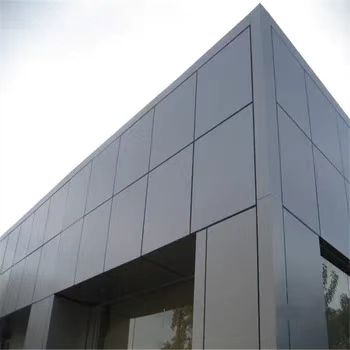
Aluminum Composite Panels (ACPs) are a popular choice in modern architecture due to their durability, lightweight nature, and aesthetic versatility. However, the performance and longevity of these panels largely depend on the type of coating applied. Among the most widely used coating technologies are Polyethylene (PE) and Polyvinylidene Fluoride (PVDF). This article provides a detailed, professional comparison between PE and PVDF coatings for aluminum composite panels, helping architects, builders, and project managers make informed decisions.
Understanding Aluminum Composite Panel Coatings
Aluminum composite panels consist of two aluminum sheets bonded to a non-aluminum core. The coating is applied to the aluminum surface to protect it from environmental factors such as UV radiation, moisture, chemicals, and physical wear. The coating also determines the panel’s color, finish, and overall appearance.
Key Functions of ACP Coatings:
- Protection: Shields against corrosion, fading, and weathering.
- Aesthetics: Provides color consistency, gloss, and texture.
- Durability: Enhances the panel’s lifespan and performance.
Polyethylene (PE) Coating: Overview and Characteristics
PE coating is a thermosetting plastic finish applied to aluminum composite panels. It is typically used in interior applications or in environments with mild climatic conditions.
Properties of PE Coating:
- Cost-Effective: PE-coated ACPs are generally more affordable, making them suitable for budget-conscious projects.
- Color Variety: Available in a wide range of colors and finishes, including metallic and glossy options.
- Flexibility: Exhibits good formability, allowing for creative architectural designs.
- Environmental Limitations: Less resistant to UV rays, chemicals, and extreme weather compared to PVDF.
Typical Applications:
- Interior wall cladding, partitions, and signage.
- Short-term exterior projects in mild climates.
- Projects where budget constraints are a primary consideration.
Performance Limitations:
- UV Resistance: Moderate; may experience color fading or chalking over time when exposed to direct sunlight.
- Durability: Expected lifespan of 5–7 years in exterior applications, depending on environmental conditions.
- Maintenance: Requires more frequent cleaning and inspection in outdoor settings.
Polyvinylidene Fluoride (PVDF) Coating: Overview and Characteristics
PVDF coating is a high-performance fluoropolymer resin known for its exceptional resistance to harsh environmental conditions. It is the **preferred choice for exterior applications** where durability and longevity are critical.
Properties of PVDF Coating:
- Superior Weather Resistance: Highly resistant to UV radiation, preventing color fading and chalking for extended periods.
- Chemical and Pollution Resistance: Withstands exposure to industrial pollutants, acids, and alkalis.
- Self-Cleaning Ability: The smooth surface reduces dirt accumulation and allows for easy cleaning.
- Long Lifespan: Can last 20–30 years or more without significant degradation, depending on the environment.
- Color Retention: Maintains color integrity and gloss over decades, even in coastal or high-UV regions.
Typical Applications:
- Exterior façades, curtain walls, and roofing in commercial and high-rise buildings.
- Projects in coastal, industrial, or high-pollution areas.
- Architectural designs requiring long-term performance and minimal maintenance.
Cost Considerations:
- PVDF-coated ACPs are more expensive than PE-coated panels due to advanced material properties and manufacturing processes.
- Lower maintenance expenses and longer service life offset the higher initial cost.
PE vs PVDF Coatings: Direct Comparison
Feature | PE Coating | PVDF Coating |
UV Resistance | Moderate; may fade over time | Excellent; retains color for decades |
Weather Resistance | Suitable for mild climates | Ideal for extreme climates (coastal, desert, urban). |
Lifespan (Exterior) | 5–7 years | 20–30+ years |
Cost | Lower initial cost | Higher initial cost but better ROI |
Maintenance | Requires regular cleaning and inspection | Low maintenance; self-cleaning properties |
Applications | interior and short-term exterior use | Long-term exterior and high-performance projects |
Environmental Impact | Less durable, may require earlier replacement | Longer lifespan reduces waste and resource use |
How to Choose Between PE and PVDF Coatings
Selecting the right coating depends on project-specific factors:
1. Project Location and Climate:
- For regions with intense sun, high humidity, or pollution, PVDF is recommended.
- For interior or sheltered exterior applications in temperate zones, PE may suffice.
2. Budget vs. Long-Term Value:
- If upfront cost is a primary constraint, PE-coated panels are a viable option.
- For projects emphasizing lifecycle cost and durability, PVDF offers greater long-term value.
3. Aesthetic Requirements:
- Both coatings offer a variety of colors and finishes. However, PVDF ensures color stability over time.
4. Building Codes and Standards:
- Some regions or green building certifications (e.g., LEED) may favor materials with longer lifespans and lower environmental impact, making PVDF a preferable choice.
Conclusion: Making an Informed Decision
In summary, the choice between PE and PVDF coatings for aluminum composite panels hinges on balancing performance requirements, environmental conditions, and budget. PE coatings provide an economical solution for interior or short-term exterior applications, while PVDF coatings deliver unmatched durability and weather resistance for demanding exterior projects.
Investing in the appropriate coating technology not only enhances the visual appeal of a building but also ensures structural integrity and reduces long-term maintenance costs. For architects and builders, understanding these differences is key to specifying the right materials for each unique project.






