Welcome to Vbond
Aluminum Composite Panel Sourcing: Questions Every Importer Should Ask Before Signing a Contract
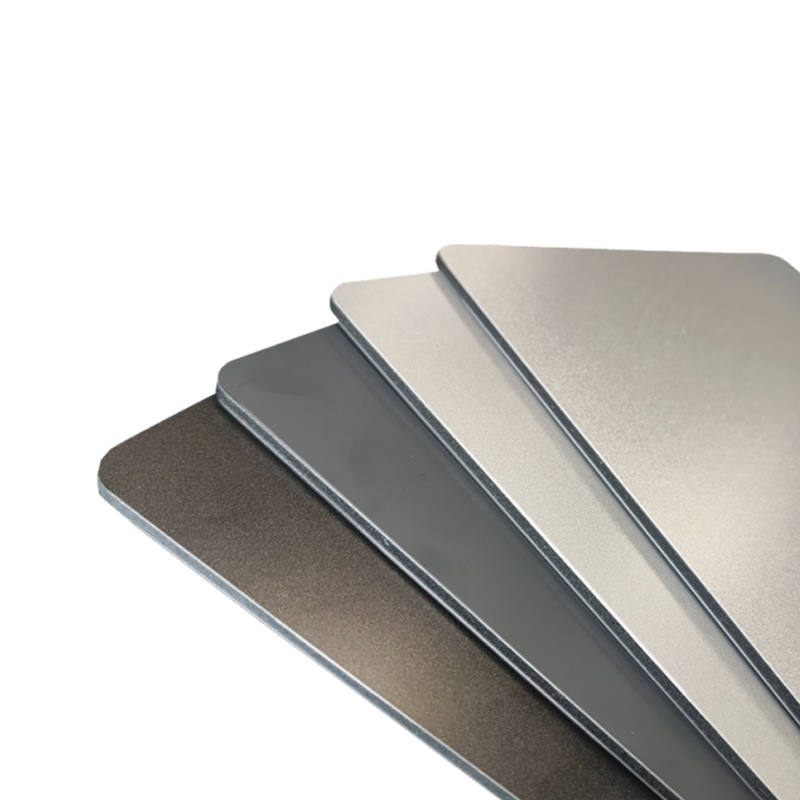
The global market for Aluminum Composite Panels (ACP) continues to expand, driven by urbanization and demand for lightweight, durable cladding solutions. For importers, sourcing from manufacturing hubs—particularly in China—offers significant cost advantages and access to advanced production capabilities. However, the process carries inherent risks: quality inconsistency, regulatory non-compliance, and supply chain disruptions can turn a cost-saving decision into a costly liability.
Before signing any contract, importers must move beyond price comparisons and conduct rigorous due diligence. This article outlines the critical questions every importer should ask potential suppliers, structured around a professional sourcing framework.
1. Questions About Manufacturing Capabilities: Who Am I Really Dealing With?
The first step in risk mitigation is distinguishing a genuine manufacturer from a trading intermediary. Many suppliers present themselves as factories but merely broker orders from third parties.
Critical Questions to Ask:
- "Do you own your production lines, or do you outsource manufacturing?" Vertically integrated manufacturers control the entire process—from coil coating and core extrusion to continuous lamination—ensuring consistent peel strength and flatness tolerance. Facilities larger than 5,000m² with in-house QC labs are better equipped to maintain batch consistency.
- "Can you provide a live video tour of your factory floor?" Request real-time footage focusing on lamination presses, coating ovens, and quality control stations. Ask to see the machine calibration records and employee training logs.
- "What is your monthly production capacity?" Reliable suppliers typically handle between 200,000 and 500,000 square meters per month, enabling them to fulfill large-scale orders without compromising delivery schedules.
- "How long have you been in business, and which markets do you export to?" Look for manufacturers with at least 10 years of experience and a diversified export history, indicating operational stability.
Red Flag Warning: If a supplier hesitates to provide factory documentation or claims to own facilities they cannot verify, consider it a serious risk indicator.
2. Questions About Certifications and Compliance: Is This Panel Safe and Legal?
In global trade, certifications are the universal language of quality and safety. Different regions mandate specific standards, and non-compliance can result in rejected shipments or legal liabilities.
Critical Questions to Ask:
- "Which international certifications do you hold?" At a minimum, demand ISO 9001 certification for quality management. For fire safety, requirements vary by region:
- Europe: EN 13501-1 (Class A2-s1, d0 for non-combustible applications)
- USA: ASTM E84 or NFPA 285
- China: GB 8624
- "Can you provide third-party test reports for fire resistance, peel strength, and weathering?" Request actual lab results—not generic certificates. Critical metrics include:
- Peel strength: Target >7 N/mm or 70 N/mm depending on the standard
- QUV accelerated weathering: Reports exceeding 1,000 hours indicate long-term durability
- Coating thickness: PVDF coatings should be at least 25μm for exterior applications
- "Do you offer A2 fire-retardant cores, and can you document the mineral content?" For high-rise buildings, demand cores with over 90% mineral content and a valid EN 13501-1 A2 classification.
Pro Tip: Cross-reference certification claims with issuing bodies. Some suppliers display expired or forged certificates.
3. Questions About Material Specifications: What Exactly Am I Buying?
ACP quality varies dramatically depending on the raw material used. Importers must verify the specifics of aluminum alloy, core composition, and coating systems.
Critical Questions to Ask:
- "What aluminum alloy do you use, and what is the skin thickness?" Durable alloys such as AA3003-H16, 3005-H26, and AA5005 offer superior corrosion resistance. Skin thickness typically ranges from 0.10 mm to 0.50 mm, depending on application.
- "What type of coating do you apply, and who supplies the resin?" For exteriors, PVDF (Polyvinylidene Fluoride) coatings (e.g., from Hoescht Trilux or AkzoNobel) provide 15+ years of UV resistance. Standard polyester coatings degrade faster under direct sunlight.
- "Can you customize dimensions, finishes, and colors?" Confirm support for:
- Non-standard lengths (up to 6 meters)
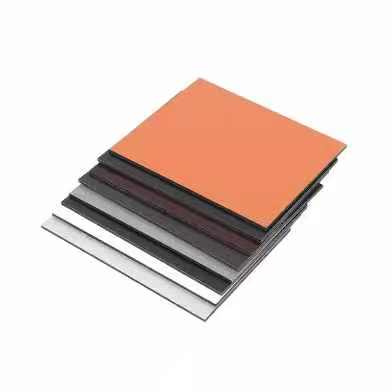
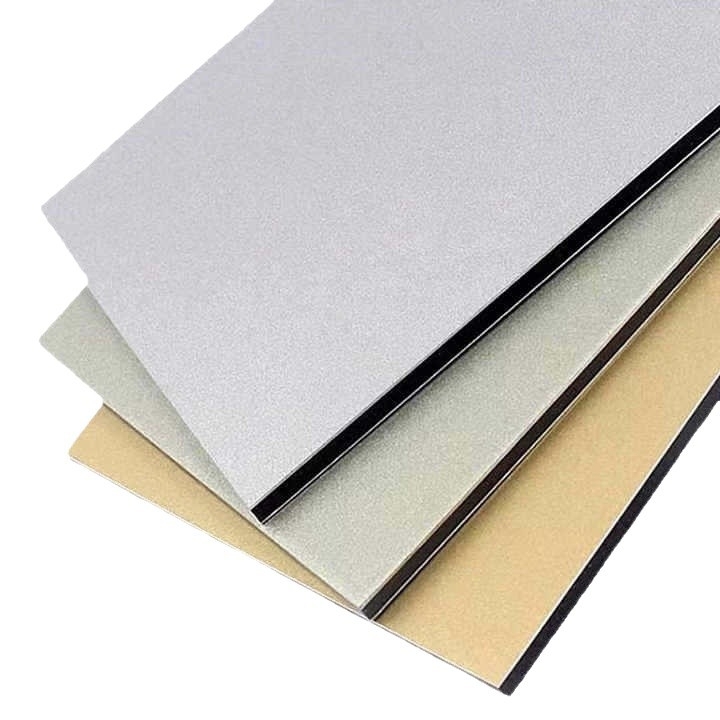
- RAL or Pantone color matching
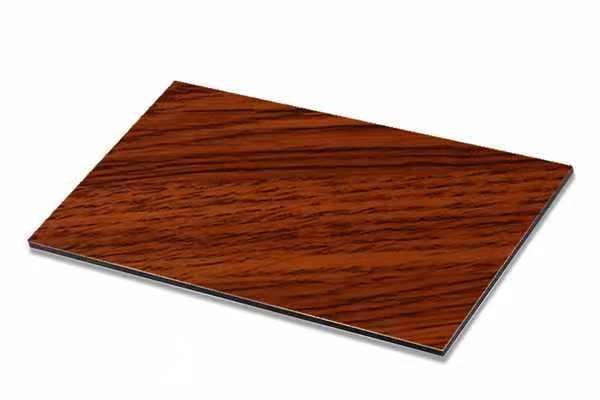
- Special finishes: brushed, wood grain, mirror, or anti-graffiti
- "Do you offer bendable cores or CNC profiling for complex facades?" Advanced fabrication capabilities indicate higher engineering support.
Sample Validation: Always request physical samples (typically 300x500mm). Test for color accuracy (ΔE ≤ 1.5), surface hardness, and edge-sealing integrity before placing bulk orders.
4. Questions About Operational Reliability: Can You Deliver on Time?
Product quality means nothing if shipments arrive late. Construction projects run on tight schedules, and delays cascade into high costs.
Critical Questions to Ask:
- "What is your on-time delivery rate?" Aim for partners with rates of 96% or higher.
- "What is your average response time to inquiries?" Suppliers responding within 2–4 hours demonstrate a strong customer service infrastructure, which is critical for resolving urgent issues across time zones.
- "What is your reorder rate from existing clients?" A reorder rate above 18% suggests consistent client satisfaction and product quality.
- "Can you provide references from past international clients?" Contact previous buyers to verify claims about delivery performance and post-sale support.
5. Questions About Order Flexibility and Commercial Terms
Understanding minimums, pricing structures, and payment protections prevents unpleasant surprises during contract execution.
Critical Questions to Ask:
- "What is your minimum order quantity (MOQ)?" MOQs vary widely. Some suppliers accept as little as 10–50 sqm for prototyping, while bulk orders often start at 2,000 sqm per container load.
- "What are your payment terms?" Standard terms involve a 30% deposit with the balance due before shipment. Avoid full prepayments unless dealing with verified, long-term partners. Use secure platforms like Trade Assurance or letters of credit for first transactions.
- "What is your typical lead time?" Standard production cycles range from 15 to 30 days after deposit. Custom finishes or fire-rated variants may extend this to 35–45 days.
- "What shipping terms do you offer (FOB, CIF, etc.)?" Clarify who handles logistics and insurance. FOB means the supplier delivers to the port; CIF includes shipping and insurance to your destination port.
- "What warranties do you provide?" Reputable manufacturers offer 10–15 year warranties against coating delamination or structural failure for PVDF-coated panels.
6. Questions About Quality Control and Inspection
Verification should not stop at the factory gate. A robust quality assurance process protects your investment.
Critical Questions to Ask:
- "Do you allow third-party inspections during production?" Engage agencies like SGS, Intertek, or Bureau Veritas to conduct:
- Pre-production sample approval
- In-process inspections
- Pre-shipment inspections (visual, dimensional, and performance tests)
- Container loading supervision
- "Will you provide batch-specific test reports?" Require peel strength tests, fire ratings, and flatness measurements for your actual production batch—not generic certificates.
- "How do you handle non-conforming products?" Clarify procedures for returns, replacements, or credits if materials fail inspection upon arrival.
7. Questions About Long-Term Partnership Potential
The best suppliers view themselves as partners, not just vendors—their willingness to support your growth matters.
Critical Questions to Ask:
- "Do you offer OEM and private labeling services?" Many manufacturers provide custom packaging, branded labels, and logo embossing.
- "Can you support future product innovations, such as solar-integrated or translucent panels?" Suppliers investing in R&D—such as those offering photovoltaic-integrated ACPs—signal a commitment to long-term relevance.
- "Do you provide technical support during installation?" Experienced manufacturers offer CAD support, installation guidance, and on-site troubleshooting.
Conclusion: Due Diligence Is the Foundation of Successful Sourcing
Successfully importing Aluminum Composite Panels requires more than finding the lowest price. It demands a systematic evaluation of manufacturing capabilities, certifications, material specifications, operational reliability, and commercial integrity.
By asking these critical questions before signing a contract, importers can:
- Mitigate risks of quality failures and delivery delays
- Ensure compliance with international building codes
- Build partnerships that support long-term project success
The global ACP market offers tremendous opportunities for informed buyers. Approach each potential supplier with a rigorous due diligence framework, and you will secure materials that perform—both structurally and commercially—for years to come.