Welcome to Vbond
Aluminum Composite Panels for Architectural Projects: Key Features and Specifications
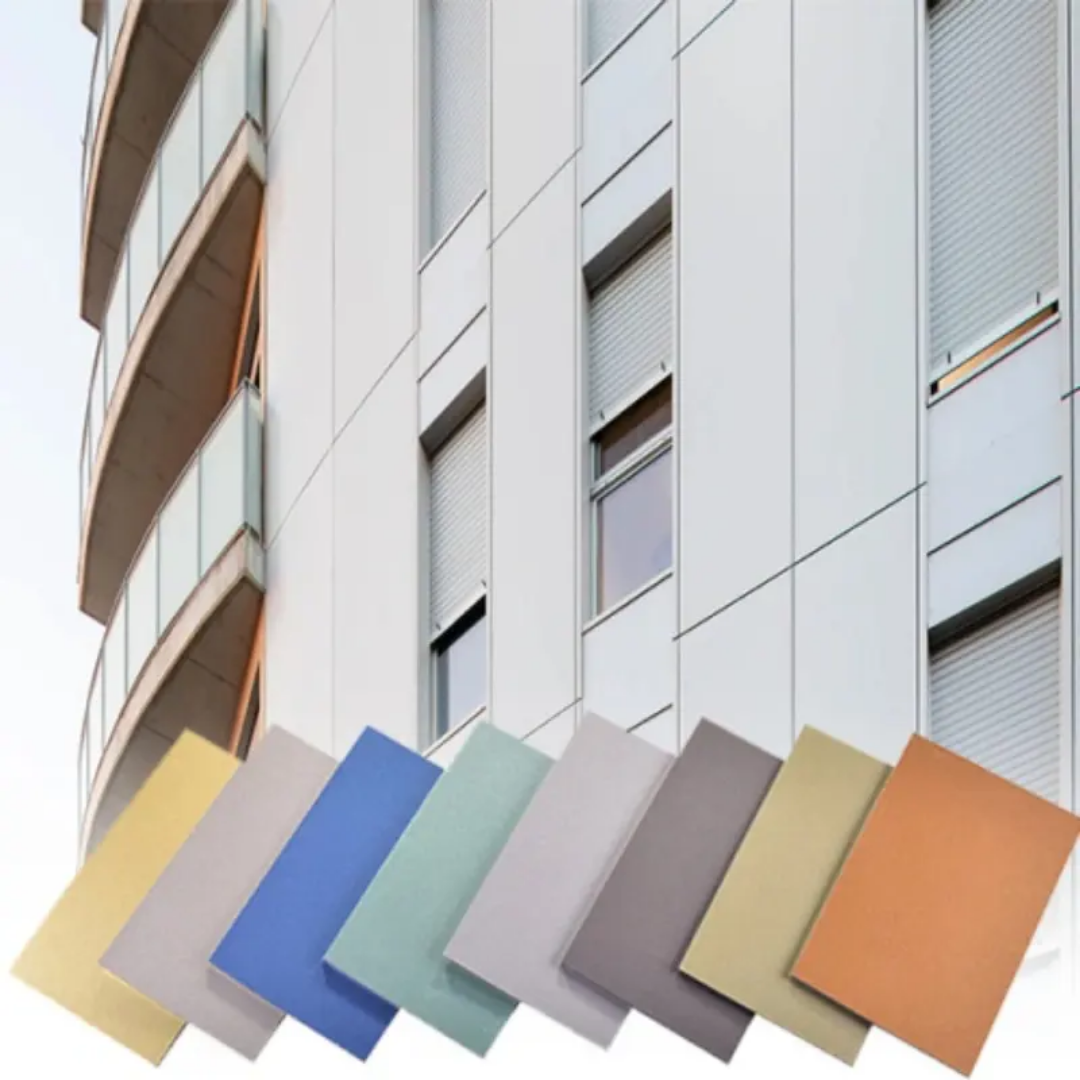
Introduction to Aluminum Composite Panels (ACPs)
Aluminum Composite Panels (ACPs) have become a cornerstone of modern architecture, offering a unique combination of aesthetic flexibility, durability, and performance. Used extensively in building facades, interior cladding, signage, and renovation projects, ACPs provide architects and builders with a versatile material to realize innovative designs. This guide details the essential features, technical specifications, and selection criteria to help professionals make informed decisions for their architectural projects.
What are Aluminum Composite Panels?
An Aluminum Composite Panel is a flat panel consisting of two thin coil-coated aluminum sheets bonded to a non-aluminum core, typically made of polyethylene (PE) or a fire-resistant mineral core. This sandwich composite structure is responsible for its signature lightweight yet rigid properties.
Key Features and Architectural Benefits
1. Lightweight and High Strength-to-Weight Ratio
ACPs are remarkably lightweight (typically 5-8 kg/m²), reducing structural load on building frames. Their composite design provides exceptional panel rigidity and flatness, minimizing the need for extensive sub-framing.
2. Superior Aesthetic Versatility
Finishes: Available in a vast range of PVDF (Polyvinylidene Fluoride) coatings, polyester coatings, anodized finishes, and natural metal looks (brushed, mirror).
Colors and Effects: Offered in hundreds of standard and custom colors, including metallic, stone, wood, and prismatic visual effects.
Formability: Can be easily bent, folded, and shaped into curved facades, sharp corners, and complex 3D forms without compromising the finish.
3. Outstanding Durability and Weatherability
High-quality ACPs with PVDF coatings offer excellent resistance to:
* UV radiation (minimizing color fade)
* Corrosion and chemical exposure
* Pollution and grime (non-stick, easy-clean surfaces)
* Extreme temperatures (-50°C to +80°C operational range)
4. Fire Safety Performance (A Critical Specification)
Core material is a primary differentiator:
Polyethylene (PE) Core: Standard, cost-effective. Limited fire performance; suitable for low-rise or specific applications where fire codes allow.
Fire-Retardant (FR) Mineral Core: Contains mineral fillers (often >70% inorganic material). Provides improved fire resistance, meeting stricter building codes (often Class B or better in various international ratings).
A2 / Non-Combustible Core: The highest fire safety grade. Composed of mineral materials, these panels achieve Euroclass A2-s1, d0 or similar non-combustible ratings, suitable for high-rise and sensitive buildings.
5. Excellent Flatness and Dimensional Stability
The composite structure resists warping and oil-canning, ensuring a smooth, consistent appearance for large facade areas.
6. Ease of Fabrication and Installation
Panels can be easily cut, routed, drilled, and machined using standard woodworking and metalworking tools. Integrated installation systems (e.g., cassette, wedge, rout-and-return) allow for efficient, concealed fixing.
Essential Technical Specifications for Architects
When specifying ACPs, consider these critical parameters in your project documentation:
Specification | Typical Range / Options | Importance |
Total Thickness | 3mm, 4mm, 6mm (most common) | Affects rigidity, flatness, and weight. 4mm is standard for facades. |
Aluminum Skin Thickness | 0.20mm - 0.50mm per sheet | Impacts durability and dent resistance. 0.50mm/0.50mm is premium. |
Core Type | PE, FR (Fire Retardant), A2 (Non-combustible) | Crucial for fire safety and compliance. Dictates building applications. |
Coating Type | PVDF (70% min.), PE (Polyester), Nano, Anodized | Determines longevity, color fastness, and cleanability. PVDF is the industry standard for exteriors. |
Panel Dimensions | Standard: 1220mm or 1500mm wide; up to 6000mm long | Impacts material yield, joint design, and logistics. |
Fire Rating | (e.g., ASTM E84, EN 13501-1) Class A, B, or Euroclass A2, B-s1,d0 | Mandatory for code compliance. Must align with local building regulations. |
Bending Strength | Modulus of Elasticity (E) ~ 70,000 N/mm² | Indicates structural performance for shaped applications. |
Thermal Expansion | ~ 24 x 10⁻⁶ /K (similar to aluminum) | Important for joint design and movement accommodation. |
Selection Guide: Choosing the Right ACP for Your Project
1. Prioritize Fire Safety: Always select the core type based on your project's height, occupancy, and local building codes. For high-rises, hospitals, and public buildings, A2 or high-grade FR cores are non-negotiable.
2. Match Coating to Environment: For exterior facades, specify PVDF coatings (minimum 70% PVDF resin) for 20-30 year finish warranties. Polyester may suffice for protected interiors.
3. Consider Total Lifecycle Cost: While initial cost is a factor, premium ACPs with thicker skins and superior coatings offer lower maintenance and longer service life.
4. Engage with Reputable Suppliers: Source from manufacturers who provide full test reports (fire, structural, weathering) and project-specific warranties. Request physical samples for color and finish approval.
5. Collaborate with Fabricators: Early engagement with experienced ACP fabricators ensures designs are manufacturable and installation details are practical.
Sustainability and End-of-Life Considerations
Modern ACPs are part of the sustainability conversation. Key points include:
Long Service Life: Reduces the need for frequent replacement.
Recyclability: Aluminum skins are 100% recyclable. The industry is innovating in recycling technologies for the composite material (see our article on Recycling Aluminum Composite Panels: Challenges and Innovations).
Certifications: Look for panels with EPDs (Environmental Product Declarations) and those compliant with green building standards like LEED or BREEAM, where material health and recycled content are considered.
Conclusion
Aluminum Composite Panels offer architects a powerful tool to create durable, beautiful, and high-performance building envelopes. Success lies in understanding and specifying the correct combination of features—particularly fire-rated core material, coating quality, and dimensional specifications—to meet aesthetic, performance, and regulatory demands. By carefully selecting products based on comprehensive specifications and trusted manufacturer data, you can ensure your architectural vision is realized with a material built to last.






