Welcome to Vbond
Aluminum Composite Panels in Modern Buildings: Pros, Cons & Best Practices
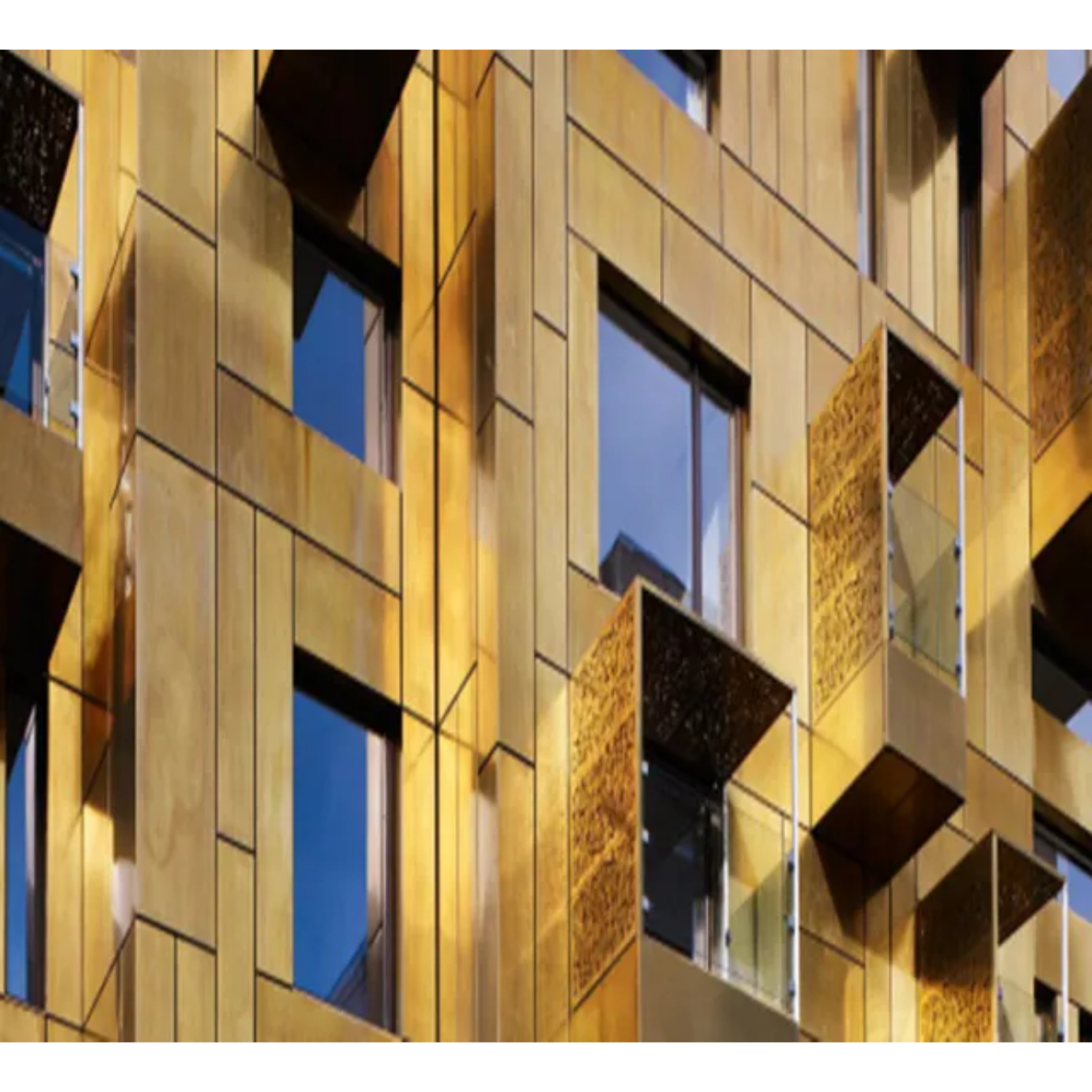
Aluminum Composite Panels (ACPs) have revolutionized building facades, offering a sleek, modern aesthetic. However, their use comes with significant considerations. This in-depth guide analyzes the pros and cons of ACPs in modern construction, providing architects, developers, and contractors with the professional insights needed for informed decision-making.
Understanding Aluminum Composite Panels (ACPs)
An ACP is a sandwich panel consisting of two thin aluminum sheets bonded to a core material, typically polyethylene (PE) or a fire-resistant mineral core. This composite structure delivers unique properties that have made it a popular choice for cladding, signage, and interior applications worldwide.
Key Advantages of Using ACPs in Construction
1. Exceptional Design Flexibility & Aesthetics
Variety: Available in an extensive range of colors, metallic finishes, wood grains, and stone textures.
Formability: Can be easily bent, folded, and shaped into complex 3D forms, enabling innovative architectural expression.
Modern Look: Provides seamless, flat surfaces that create a contemporary and high-tech building envelope.
2. Lightweight & Structural Efficiency
ACPs are significantly lighter than solid metal, stone, or precast concrete panels.
This reduces the load on the building’s structural framework, potentially leading to cost savings in the foundation and support systems.
Ease of handling translates to faster installation times.
3. Durability and Low Maintenance
High-quality panels with PVDF coatings offer excellent resistance to UV radiation, fading, and weathering.
They are resistant to corrosion and chemicals, maintaining their appearance for 20-30 years with minimal cleaning.
4. Cost-Effectiveness
Compared to many premium cladding materials (like natural stone or custom metal panels), ACPs offer a lower material and installation cost per square meter.
The combination of prefabrication and quick installation reduces overall labor costs.
5. Thermal and Acoustic Benefits
The core layer provides some level of thermal insulation, improving building energy efficiency.
It can also contribute to sound dampening, an advantage in urban environments.
Critical Disadvantages and Risks of ACPs
1. Fire Safety Concerns (The Primary Challenge)
Combustible Core: Standard PE cores are highly flammable and have been implicated in catastrophic building fires (e.g., Grenfell Tower).
Regulations: Many countries now strictly ban or regulate the use of combustible cores in mid- and high-rise buildings.
Solution: Fire-retardant (FR) or mineral core ACPs must be specified where required by code (e.g., NFPA 285, EN 13501-1 Class A2/A1).
2. Susceptibility to Impact Damage
The thin aluminum skin can be dented by heavy impact, and repairs often require full panel replacement, which can be difficult to match over time.
3. Environmental and Sustainability Considerations
Production Impact: Aluminum production is energy-intensive.
Recycling Challenges: While aluminum is recyclable, separating the core and skins complicates the end-of-life recycling process. Look for suppliers with Environmental Product Declarations (EPDs).
4. Potential for Moisture Ingress and Corrosion
If not detailed and installed perfectly, water can seep behind panels, leading to:
* Corrosion of the substructure.
* Degradation of the core material.
* Mold growth.
Proper drainage and ventilation behind the cladding are essential.
5. Perceived Value and Longevity
In some markets, ACPs may be perceived as a lower-value material compared to natural elements. For very long-lifecycle buildings, the potential need for recladding sooner than other materials should be factored in.
Professional Comparison: ACPs vs. Alternative Cladding
Feature | Aluminum Composite Panels (ACP) | Aluminum Plate | Fiber Cement | Natural Stone |
Cost | Moderate | High | Low to Moderate | Very High |
Weight | Very Light | Moderate | Heavy | Very Heavy |
Installation Speed | Fast | Moderate | Slow | Very Slow |
Design Flexibility | Very High | High | Low | Low |
Fire Safety (with FR core) | Good/Excellent | Excellent | Excellent | Excellent |
Durability | High | Very High | High | Very High |
Best Practices for Specifying and Using ACPs Safely
To maximize benefits and mitigate risks, follow these guidelines:
1. Prioritize Fire-Rated Panels: Always specify non-combustible mineral core ACPs for any building over one story. Verify certifications.
2. Choose Reputable Suppliers: Select manufacturers with proven quality control, comprehensive warranties, and full technical support.
3. Invest in Expert Detailing and Installation: The performance of any cladding system lies in its details. Engage experienced façade engineers and certified installers to ensure proper joints, drainage, and thermal movement accommodation.
4. Conduct a Life-Cycle Assessment: Consider long-term maintenance, cleaning, and potential replacement costs, not just the initial investment.
5. Stay Updated on Codes: Building regulations regarding combustible cladding are evolving rapidly. Ensure full compliance with all local and international codes.
Conclusion: A Balanced Material Choice
Aluminum Composite Panels offer a powerful combination of aesthetic appeal, lightweight performance, and cost efficiency for modern architecture. However, they are not a one-size-fits-all solution. The decision to use ACPs must be grounded in a thorough understanding of their fire safety imperatives, environmental impact, and dependency on flawless execution.
By rigorously specifying fire-resistant products and partnering with skilled professionals for design and installation, architects and builders can harness the advantages of ACPs while ensuring the safety, durability, and beauty of the built environment.
Disclaimer: This guide provides general information. Material selection must be based on project-specific requirements, local building codes, and consultation with licensed professionals (architects, engineers).






