Welcome to Vbond
Aluminum Composite Panels vs. Solid Aluminum Sheets: Which is Better?
Introduction
In modern architecture and construction, the choice between aluminum composite panels (ACPs) and solid aluminum sheets is critical for both performance and aesthetics. Each material offers distinct advantages depending on the application, budget, and design requirements. This comprehensive guide compares aluminum composite panels and solid aluminum sheets across key factors to help architects, builders, and project managers make informed decisions.
What Are Aluminum Composite Panels (ACPs)?
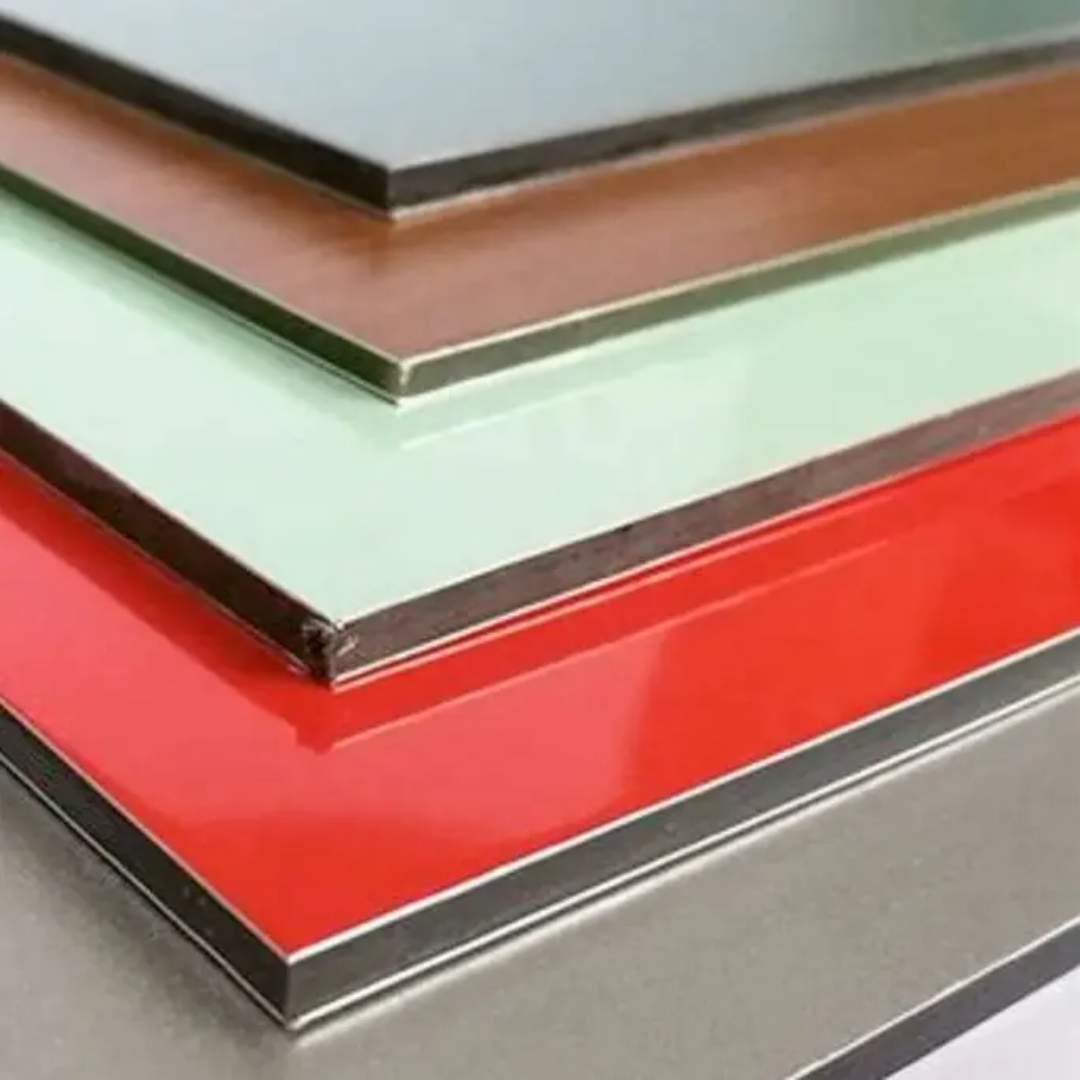
Aluminum composite panels consist of two thin aluminum sheets bonded to a non-aluminum core, typically made from polyethylene (PE) or a fire-resistant mineral-filled core (FR). This sandwich structure provides a unique combination of lightweight properties and rigidity. ACPs are widely used in exterior cladding, signage, and interior design due to their versatility and cost-effectiveness.
What Are Solid Aluminum Sheets?
Solid aluminum sheets are manufactured from a single, homogenous aluminum alloy. Available in various thicknesses and grades, they offer high strength, durability, and a premium metallic appearance. Solid aluminum sheets are commonly used in industrial applications, aerospace, transportation, and high-end architectural projects where structural integrity is paramount.
Key Comparison: Aluminum Composite Panels vs. Solid Aluminum Sheets
1. Weight and Handling
- Aluminum Composite Panels: Significantly lighter due to their composite core, making them easier to transport, handle, and install. This reduces labor costs and structural support requirements.
-Solid Aluminum Sheets: Heavier and more robust, requiring more substantial framing and handling equipment. Ideal for applications where mass and solidity are advantageous.
2. Durability and Strength
- ACPs: Offer good impact resistance and flexibility, but may be prone to denting under heavy force. The core material can affect overall strength.
- Solid Aluminum Sheets: Superior tensile strength and resistance to deformation. Better suited for high-traffic or impact-prone environments.
3. Thermal and Fire Performance
- ACPs: Standard PE cores have limited fire resistance; however, fire-retardant (FR) ACPs meet stricter safety codes. Thermal insulation properties are moderate.
- Solid Aluminum Sheets: Non-combustible and excellent fire-rated material. Aluminum conducts heat, so additional insulation may be needed for thermal efficiency.
4. Cost-Effectiveness
- ACPs: Generally more affordable in terms of material and installation costs. The lightweight nature reduces shipping and support expenses.
- Solid Aluminum Sheets: Higher initial cost due to material and processing, but may offer longer lifespan with minimal maintenance.
5. Aesthetic Flexibility
- ACPs: Available in a vast range of colors, finishes (e.g., metallic, matte, wood effect), and can be easily curved or shaped. Seamless large panels create a modern look.
- Solid Aluminum Sheets: Offer a classic, monolithic metallic appearance. Can be anodized or powder-coated for color, but with fewer decorative options than ACPs.
6. Maintenance and Longevity
- ACPs: Require regular cleaning; protective coatings resist UV and corrosion. Longevity depends on core quality and installation.
- Solid Aluminum Sheets: Highly resistant to corrosion, especially when alloyed or treated. Low maintenance and can last decades in harsh conditions.
7. Environmental Impact
- ACPs: Recyclable, but separation of materials can be challenging. Production energy varies with core type.
- Solid Aluminum Sheets: Fully recyclable with high scrap value. Aluminum production is energy-intensive but sustainable over the product lifecycle.
Applications: Where Each Excels
- Choose Aluminum Composite Panels For:
- Exterior building facades and cladding
- Interior wall partitions and decorative features
- Signage and advertising boards
- Renovation projects with weight constraints
- Choose Solid Aluminum Sheets For:
- Structural components and heavy-duty industrial use
- Aerospace, marine, and transportation industries
- High-end architectural features requiring a premium finish
- Environments with extreme weather or mechanical stress
Which is Better? Making the Right Choice
The decision between aluminum composite panels and solid aluminum sheets depends on your specific project needs
- Opt for ACPs if you prioritize lightweight installation, design versatility, and cost savings for non-structural applications.
- Choose solid aluminum sheets for maximum durability, structural performance, and a premium, long-lasting finish** where budget is secondary.
Always consider local building codes, fire safety regulations, and environmental conditions when selecting materials.
Conclusion
Both aluminum composite panels and solid aluminum sheets offer valuable benefits to the construction and manufacturing industries. ACPs lead in versatility and economy, while solid aluminum sheets excel in strength and longevity. By evaluating factors such as weight, durability, fire safety, cost, and aesthetics, professionals can select the optimal material to ensure project success, performance, and sustainability.






