Welcome to Vbond
Back Ventilation Systems for ACP: Necessary Feature or Marketing Hype?
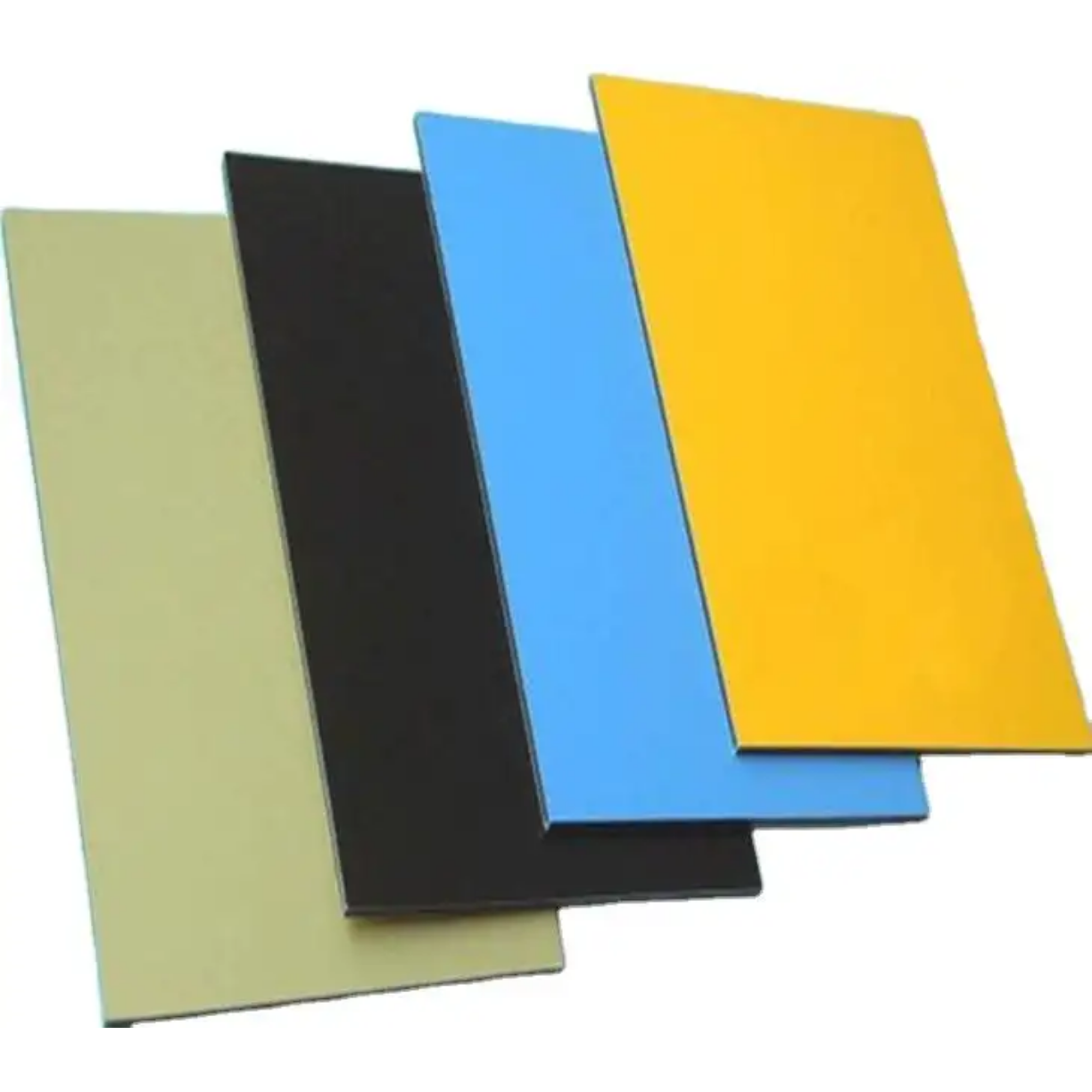
Aluminum Composite Panels (ACPs) dominate modern facades due to their lightweight nature, versatility, and cost-effectiveness. However, one debate continues to divide the cladding industry: Do you really need back ventilation behind ACP? Or is it just another upsell from suppliers?
In this guide, we move beyond sales pitches to analyze the physics, the risks, and the real ROI of ventilated facades.
What is a Back Ventilation System?
A back ventilation system refers to the intentional air gap (typically 20mm to 50mm) installed between the rear face of the ACP sheet and the insulation or structural wall.
Unlike direct-fixed or "sealed" cladding, ventilated systems utilize:
- Open joints or mechanical slots
- Continuous airflow cavities
- Thermal and acoustic insulation is placed behind the ventilation layer
The Physics: Why Ventilation Matters
To determine if this is "hype" or "necessity," we must understand the three enemies of metal composite cladding:
1. Thermal Expansion
ACP has a higher coefficient of thermal expansion than many other cladding materials. Without a cavity, constrained panels bow—causing oil canning and stress fractures.
2. Moisture Accumulation
Condensation forms when warm indoor air meets cold external sheathing. In a non-ventilated system, this moisture becomes trapped, leading to:
- Peeling of PVDF coatings
- Corrosion of the aluminum skin
- Mold growth in the substrate
3. Fire Risk Dynamics
While not a firestop, a properly designed cavity can prevent chimney effect acceleration when combined with proper fire barriers.
The Case FOR Back Ventilation (Necessary)
1. Long-Term Durability
By equalizing temperature and pressure, ventilation prevents resin degradation in the polyethylene core. This extends panel life by 5–10 years.
2. Condensation Management
In cold climates (US Zone 4+ or EU Northern Regions), back ventilation is essential to expel interstitial condensation.
3. Warranty Compliance
Major ACP manufacturers—including Alucobond, Reynobond, and Alpoli*—often void warranties if panels are directly fixed without a drainage cavity.
4. Energy Efficiency
The stack effect within the cavity reduces cooling loads by up to 15%, according to ASHRAE research.
The Counterargument: When It Might Be Marketing Hype
1. Low-Rise, Mild Climates
In temperate regions (e.g., parts of Australia or Southern Europe), solid-fixed ACP on concrete walls with perfect sealing may perform adequately without ventilation.
2. Cost-Cutting Projects
On budget-sensitive builds, the additional aluminum substructure required for cavity creation can increase facade costs by 25–35%. Some developers label this "engineered redundancy."
3. Thin Solid Panels
New generation fire-retardant (FR) cores are less prone to thermal warping. Some suppliers market "ventilation-ready" panels to justify price premiums.
How to Identify True Ventilation vs. Greenwashing
Feature | True Ventilation | False Hype |
Air gap | Min 20mm continuous | <10mm, blocked by brackets |
Inlet/Outlet | Open joints or slots | Sealed perimeter |
Drainage | Gravity weep holes | None |
Testing | Mock-up tested for airflow | "Theoretically works" |
Regional Standards & Code Compliance
- USA (IBC/NFRC): Ventilated rainscreens recommended for moisture control in high humidity zones.
- UK (BS 5250): Mandates ventilation behind impermeable cladding.
- UAE (Dubai Green Building Code): Requires cavity systems for heat reflection.
Bottom line: If your local building code references BS 5250 or AS/NZS 4284, ventilation is not optional.
Cost-Benefit Analysis
Without Ventilation:
- Lower upfront cost
- Higher risk of blistering
- Shorter repaint cycles (5–7 years)
With Ventilation:
- Higher initial investment ($8–$15/sqm extra)
- 0% moisture retention
- Aesthetic stability (no dimpling)
ROI: Recoup cost within 8–10 years via avoided repairs and energy savings.
Final Verdict: Hype or Hero?
Back ventilation is not universal marketing hype—it is a climate-specific and application-specific necessity.
Choose ventilation if:
- You are in a coastal, cold, or tropical climate
- The building is above 3 stories
- You expect the facade to last >20 years
You might skip it if:
- It is a temporary installation
- The facade is fully internal
- Budget is extremely tight, AND the climate is mild
When in doubt, consult a facade engineer. As the cladding industry moves toward net-zero carbon, the humble air cavity is becoming a standard—not a luxury.






