Welcome to Vbond
Biophilic Design with ACP: Integrating Nature into Modern Structures
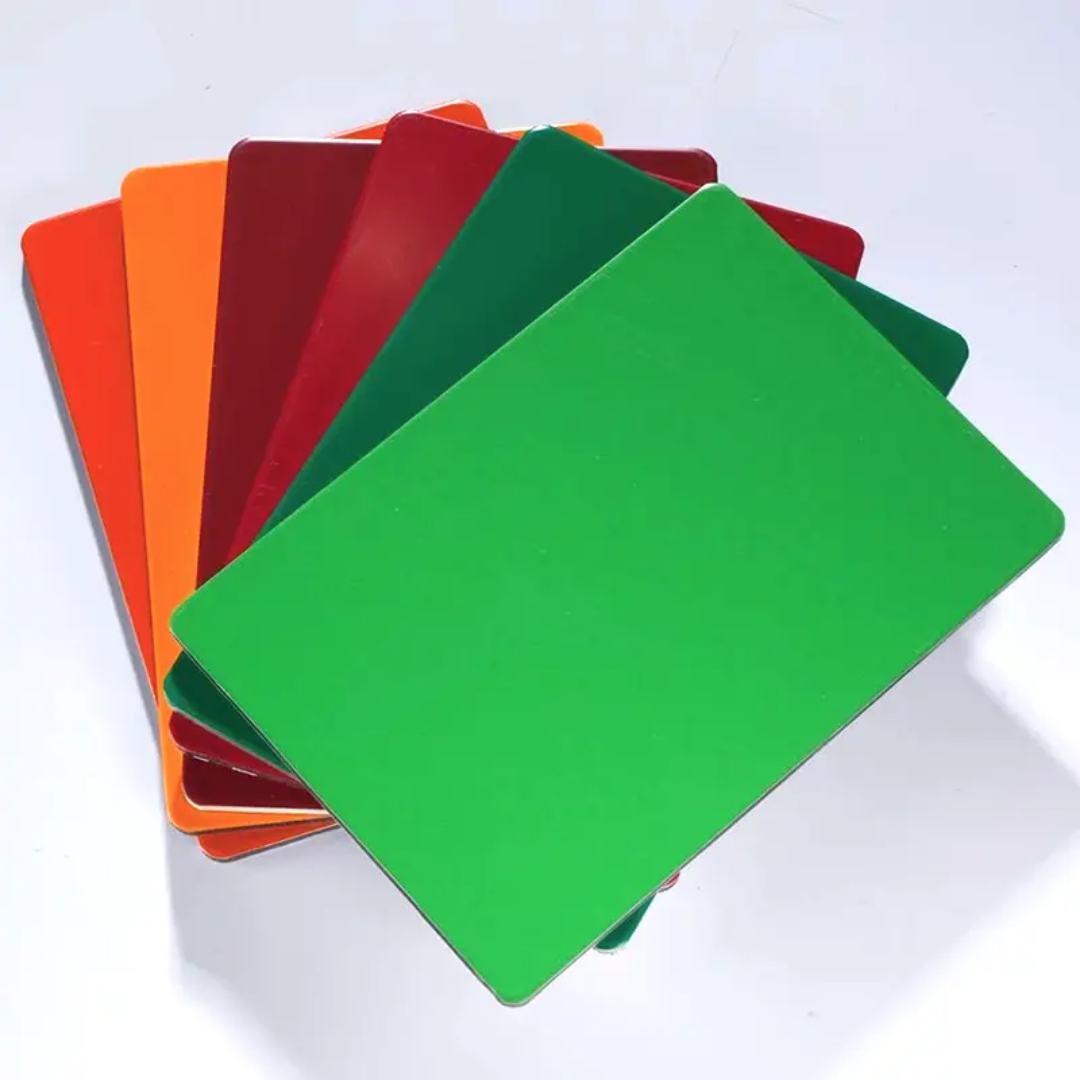
Biophilic design—the practice of connecting building occupants more closely to nature—has evolved from a trend into a fundamental principle of healthy, sustainable architecture. However, integrating organic elements into high-performance, large-scale modern structures presents inherent challenges: weight, durability, maintenance, and consistency. Aluminum Composite Panel (ACP) technology offers a sophisticated and innovative material solution, enabling architects to authentically realize biophilic design principles at the urban scale. This article explores how ACP serves as a critical medium for bringing the restorative essence of nature into contemporary buildings.
The Core Challenge: Authenticity Meets Performanc
Biophilic design is not merely about adding plants. It encompasses a range of strategies, including the use of natural materials and patterns, visual connections with nature, dynamic light and shadow, and organic forms. The challenge for modern structures, particularly facades, is to achieve these qualities while meeting stringent codes for safety, energy efficiency, and long-term durability. ACP provides the unique ability to mimic and abstract nature without inheriting its physical limitations.
How ACP Enables Key Biophilic Design Strategies
1. Mimicking Organic Materials with High Fidelity
ACP technology excels in replicating the textures, colors, and visual complexity of natural materials, offering a high-performance alternative.
- Wood-Effect ACP: Advanced digital printing and 3D embossing create panels with authentic wood grain textures for species like cedar, oak, and teak. This provides the warmth of natural wood cladding without the risks of rot, warping, fire, or high maintenance, making it ideal for creating soothing, grounded environments in offices, healthcare facilities, and hospitality settings.
- Stone & Mineral Finishes: Panels can replicate the veining of marble, the texture of slate, or the granularity of granite. This allows for the dignified, timeless feel of stone on high-rise facades or interiors where weight and cost are prohibitive.
2. Facilitating Visual Connection Through Permeability
The desire for views, natural light, and a sense of connection to the outdoors is central to biophilia. ACP systems support this through intelligent design:
- Perforated ACP Facades: Custom perforation patterns can mimic organic structures—like leaf patterns, dappled light, or fractals. These screens provide shading and privacy while creating a delicate, ever-changing play of light and shadow inside, evoking the experience of being under a canopy.
- Strategic Transparency: ACP rainscreen systems can be designed with varying opacity, working in concert with glazing to frame views and create layered transitions between inside and out.
3. Creating Organic Forms and Flow
Biophilic design favors soft, flowing geometries over rigid, rectilinear shapes. The inherent workability of ACP is a key asset.
- Curved and Folded ACP: Panels can be factory-formed into gentle curves, waves, and flowing forms that reference natural landscapes, shells, or eroded landforms. This introduces organic geometry into building envelopes, breaking down the harshness of conventional boxes.
- 3D Textured ACP: Facades with dimensional textures, such as undulating surfaces or hexagonal "honeycomb" patterns, create depth and shadow lines that change throughout the day, mirroring nature's dynamism.
4. Enhancing Sustainability and Well-Being
Biophilia is intrinsically linked to environmental stewardship. ACP contributes directly to these goals:
- Thermal Performance: As part of a rainscreen system, ACP improves the building envelope's thermal efficiency, reducing energy consumption—a core tenet of ecological design.
- Healthy Environments: By enabling ample daylighting (through reflective finishes or perforated screens) and supporting designs that reduce occupant stress, ACP helps create healthier interior spaces.
- Resource Efficiency: Using durable, long-lasting ACP with recycled content reduces the need for extracting and processing raw natural materials, aligning with a sustainable life-cycle approach.
Considerations for Specifying ACP for Biophilic Projects
1. Prioritize Texture and Depth: For realism, specify embossed or 3D-textured ACP over flat prints. The tactile quality is essential for authentic biophilic engagement.
2. Use a Natural, Cohesive Palette: Select colors and finishes that reflect the local environment or the desired psychological effect (e.g., calming greens and browns, uplifting sky blues).
3. Integrate with Living Systems: ACP should be seen as a complement, not a replacement. Design ACP facades to support living walls, green roofs, or strategic planting, creating a hybrid system.
4. Focus on Pattern and Scale: Incorporate patterns found in nature (fractals, branches, ripples) into perforation designs or panel layouts. Consider the human scale to ensure the design feels relatable, not overwhelming.
Conclusion: A Bridge Between Nature and the Built Environment
Biophilic design with ACP represents a profound synthesis of human well-being and architectural innovation. It moves beyond superficial decoration to embed the essence of nature into the very fabric of our buildings. By leveraging the versatility, durability, and aesthetic capability of ACP, architects can create structures that not only reduce environmental impact but also actively nurture their occupants. This approach defines a new paradigm for modern architecture: one where high-performance buildings are not just efficient shells, but restorative, life-enhancing habitats that celebrate our innate connection to the natural world.






