Welcome to Vbond
Building a Long-Term Partnership with Your Aluminum Composite Panel Vendor
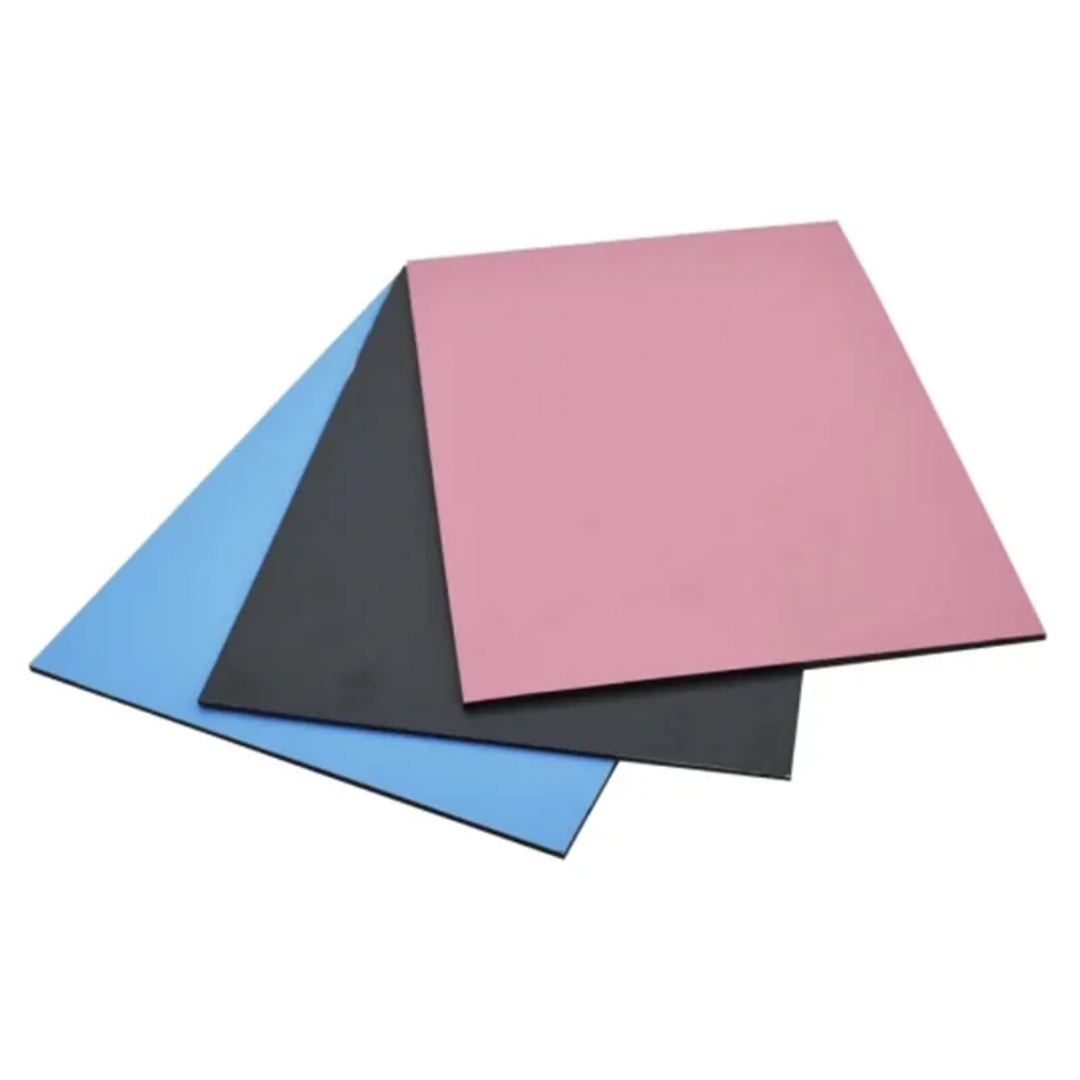
Discover how to build a long-term partnership with your aluminum composite panel vendor. Learn strategies for quality consistency, supply chain stability, and mutual growth in the ACP industry.
In the construction materials industry, the relationship between a buyer and a supplier often follows a transactional pattern: request a quote, negotiate, place an order, ship, and repeat. While this approach works for one-off projects, it leaves significant value on the table.
For contractors, facade specialists, and distributors who work with Aluminum Composite Panels (ACP) regularly, shifting from a transactional buyer-supplier dynamic to a strategic long-term partnership is one of the most powerful moves you can make.
A true partnership delivers price stability, priority production slots, customized product development, and uncompromising quality consistency—advantages that spot buyers simply cannot access. This guide explores how to identify, build, and maintain such relationships with your ACP vendors.
Why Long-Term Partnerships Matter in the ACP Industry
The ACP manufacturing landscape is highly competitive, particularly in major production hubs like Shandong, Guangdong, and Shanghai. Manufacturers operate on thin margins and face constant pressure from raw material price fluctuations. In this environment, vendors prioritize loyal customers who provide consistent order volumes and predictable payment terms.
For buyers, the benefits of a long-term partnership include:
- Priority Production: During peak seasons or raw material shortages, loyal partners get their orders fulfilled first.
- Price Advantages: Volume commitments over multiple orders unlock better pricing than one-off negotiations.
- Consistent Quality: Working with the same production line and QC team ensures batch-to-batch consistency for multi-phase projects.
- Technical Collaboration: Manufacturers invest more time in engineering support for partners who demonstrate long-term commitment.
- Supply Chain Stability: Predictable demand allows vendors to reserve raw materials specifically for your projects.
Phase 1: Selecting the Right Partner
Not every manufacturer is suited for a long-term relationship. The selection process requires looking beyond price to evaluate organizational stability, production capacity, and cultural alignment.
1. Evaluate Manufacturing Capability
A long-term partner must have the physical infrastructure to grow with you.
- Production Lines: How many coating and laminating lines do they operate? A factory with 3+ production lines offers redundancy—if one line is down for maintenance, your order continues.
- Annual Capacity: Look for manufacturers with annual output exceeding 2 million square meters. This scale indicates they can handle large, recurring orders without overextending.
- Raw Material Reserves: Do they maintain a significant inventory of aluminum coils from top mills (like Chalco or Nanshan)? This ensures they aren't dependent on spot market fluctuations that could delay your orders.
2. Verify Stability and Reputation
You need a partner who will still be in business five years from now.
- Years in Operation: A manufacturer with 10+ years of experience** has survived market cycles and regulatory changes.
- Financial Health: Request their business license and, if possible, credit reports. Consistent growth and tax records indicate stability.
- Client Retention: Ask for references from partners they have worked with for 3+ years. Long-standing relationships are the strongest endorsement.
3. Assess Cultural Fit and Communication
Technical capability means little if communication breaks down.
- Responsiveness: Do they reply within 24 hours? Do they proactively provide updates without being chased?
- Transparency: Are they open about production schedules, challenges, and raw material cost fluctuations?
- Alignment of Values: Do they prioritize quality, safety, and environmental compliance the way you do?
Phase 2: Structuring the Partnership
Once you've identified a promising vendor, the next step is to formalize the relationship in a way that incentivizes both parties to invest in long-term success.
1. Annual Volume Agreements (AVAs)
Move beyond per-order negotiations with an Annual Volume Agreement. This contract commits you to a minimum annual purchase volume in exchange for tiered pricing, guaranteed production slots, and fixed lead times.
Key Elements of an AVA:
- Volume Tiers: Define pricing brackets (e.g., 50,000 sqm, 100,000 sqm, 200,000 sqm) to encourage volume growth.
- Price Adjustment Mechanism: Establish how pricing will respond to raw material cost changes (aluminum is a commodity traded on the London Metal Exchange (LME) ). A common approach is a quarterly price review tied to LME aluminum prices.
- Exclusivity: If you commit to a single vendor for all your ACP needs, negotiate enhanced terms, faster turnaround, or dedicated production capacity.
2. Quality Assurance Agreements
Consistent quality is the bedrock of any long-term partnership. Document quality expectations clearly to avoid disputes.
Critical Quality Metrics to Include:
- Coating Specifications: Confirm PVDF or FEVE coating thickness (typically 25μm minimum) and resin content (≥70% for PVDF).
- Mechanical Properties: Define minimum peel strength (≥6N/mm), T-bend rating (≤2T), and impact resistance standards.
- Color Tolerance: Establish ΔE (Delta E) limits for batch-to-batch color consistency (≤1.0 for critical facade work).
- Testing Protocol: Agree on which tests will be performed on every batch and which will be performed quarterly or annually (e.g., accelerated weathering tests).
3. Payment Terms That Build Trust
Payment terms should evolve as the relationship matures.
- Initial Stage: Standard 30% deposit, 70% against Bill of Lading is typical for first-year relationships.
- Mature Stage: As trust builds, consider open account terms (e.g., 60 or 90 days after shipment) or LC (Letter of Credit) structures that reduce working capital strain for both parties.
Phase 3: Maintaining and Growing the Partnership
A partnership is not a static agreement; it requires active cultivation. Here's how to ensure the relationship strengthens over time.
1. Regular Communication and Visits
- Quarterly Business Reviews (QBRs): Schedule video calls to review performance, discuss upcoming projects, and address any quality or delivery concerns.
- Annual Factory Visits: If possible, visit the factory once a year. This demonstrates commitment and provides an opportunity to inspect new equipment, meet the production team, and strengthen personal relationships.
- Transparent Forecasting: Share your project pipeline with the vendor. The more visibility they have into your future needs, the better they can reserve raw materials and allocate production capacity.
2. Collaborative Problem-Solving
When issues arise (and they will), how you handle them defines the partnership.
- Avoid Blame Culture: Instead of pointing fingers, focus on finding root causes and implementing corrective actions.
- Joint Quality Audits: If a batch fails inspection, conduct a joint investigation. This builds trust and prevents recurrence.
- Flexibility: Be reasonable about lead times when they face unexpected challenges (e.g., power outages, raw material shortages), and they will reciprocate when you need expedited orders.
3. Co-Development and Innovation
The most advanced partnerships go beyond buying and selling to co-create value.
- Custom Product Development: Work with the manufacturer to develop exclusive products—proprietary colors, specialized finishes (like anodized look, brushed stainless steel effect), or enhanced fire-rated cores that give you a competitive edge in your market.
- Packaging Optimization: Collaborate on packaging designs that reduce shipping costs and minimize damage during transit.
- Sustainability Initiatives: Partner on developing recycled-core panels or implementing low-VOC coating processes to meet evolving green building standards (e.g., LEED, BREEAM).
Phase 4: Avoiding Common Pitfalls
Even the strongest partnerships can falter. Be aware of these common traps.
1. Over-Reliance on a Single Vendor
While partnership implies loyalty, diversifying across two reliable vendors provides a safety net. If one factory faces an unexpected shutdown, you have a backup.
2. Neglecting Quality Audits
Trust is essential, but verification remains important. Continue periodic third-party inspections and factory audits even after years of partnership. Quality consistency requires ongoing vigilance.
3. Ignoring Market Changes
The ACP industry evolves. New fire safety regulations, shifts in coating technology, and changes in international trade policies can impact your supply chain. Stay engaged with your partner on these topics to adapt together.
4. Failing to Recognize Their Success
Long-term partnerships require mutual benefit. Celebrate milestones, refer new clients to them, and acknowledge their contributions to your successes. A valued partner goes the extra mile.
Conclusion: Partnerships Are Built, Not Bought
In the aluminum composite panel industry, the best pricing, highest quality, and most reliable delivery come not from the lowest quote, but from the strongest relationship. Building a long-term partnership requires intentional effort: careful selection, structured agreements, open communication, and a commitment to mutual growth.
When you move from being a customer to being a strategic partner, you gain access to resources and advantages that transactional buyers will never have. In a competitive construction market, that partnership becomes one of your most valuable assets.