Welcome to Vbond
Can Aluminum Composite Panels Be Used in Kitchens?
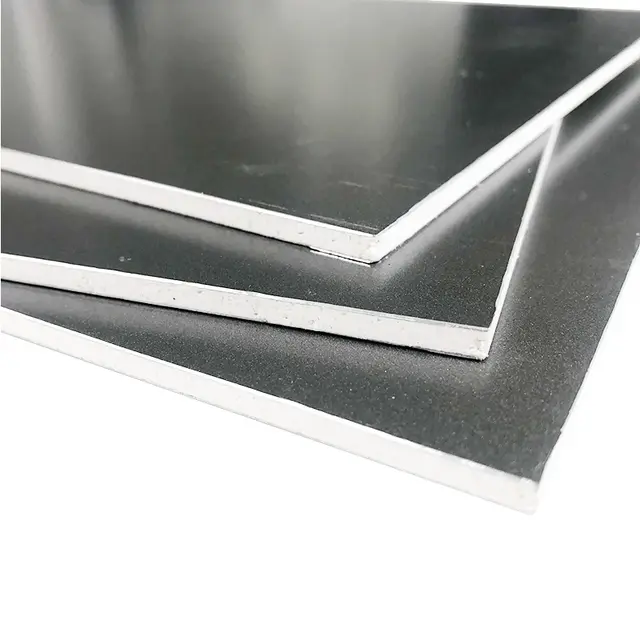
Can Aluminum Composite Panels Be Used in Kitchens? – A Practical Guide for Interior Designers, Contractors, and Distributors
Aluminum Composite Panels (ACP) — also known as Aluminum Composite Materials (ACM) — are increasingly used in modern interior design and construction. Their lightweight structure, smooth finish, and easy maintenance make them ideal for residential and commercial interiors.
One common question from clients and project managers is:
Can aluminum composite panels be used in kitchen interiors?
The answer is yes, provided that you select the right fire-rated ACP panels and install them properly.
1. Applications of ACP in Kitchen Interiors
ACP sheets can be safely used in several kitchen areas where moisture resistance, hygiene, and visual appeal are key. Typical applications include:
Kitchen wall panels and ceilings – ACP sheets resist moisture and stains, providing a clean and modern look.
Cabinet doors and drawer fronts – Fireproof ACP panels add durability and contemporary style to modular kitchens.
Decorative cladding and partitions – Ideal for kitchen showrooms, hotel kitchens, or restaurant interiors.
Back walls away from the stove – ACP wall panels can replace tiles for a seamless, easy-to-clean surface.
In these zones, ACP offers excellent aesthetic value, lightweight installation, and long service life.
2. Areas Where ACP Should Be Avoided
While ACPs are durable, they are not recommended near direct heat sources. Avoid using standard ACP panels:
Behind gas stoves or induction cooktops
Around ovens, heaters, or exhaust ducts
On surfaces directly exposed to flames
Even fire-retardant aluminum composite panels should be installed at least 20–30 cm away from continuous heat to ensure long-term safety and stability.
3. Recommended ACP Specifications for Kitchen Use
For professional interior contractors and distributors, choosing the correct ACP specification is essential. Below are the recommended parameters:
Feature | B2B Recommendation |
Core Type | Fire-retardant (FR) or B1/ A2-grade ACP |
Coating Type | PVDF coating for high resistance to oil, heat, and cleaning chemicals |
Thickness | 4mm or above for enhanced rigidity |
Surface Finish | Glossy, matte, or metallic finish depending on design style |
Installation | Use ventilated cladding systems to prevent deformation |
Maintenance | Regular cleaning with neutral detergent; avoid abrasive tools |
Using fireproof aluminum composite panels ensures compliance with interior safety standards while maintaining a premium finish.
4. Alternative Materials for High-Temperature Zones
For areas that come into direct contact with heat or flames, consider complementary materials such as:
Stainless steel splashbacks
Tempered glass panels
Ceramic or quartz tiles
These can be seamlessly integrated with ACP panels to balance functionality, safety, and design.
5. Benefits of ACP for Kitchen Projects
From a B2B perspective, aluminum composite panels offer several advantages:
Cost-effective interior solution with long lifespan
Fast installation, reducing project timelines
Wide range of finishes for both commercial and residential kitchens
Brand differentiation through customized colors and textures
Sustainable and recyclable materials for green building standards
These benefits make ACP a preferred material among kitchen furniture manufacturers, contractors, and distributors.
6. Conclusion
In summary, Aluminum Composite Panels are suitable for kitchen interiors when used correctly.
Choose fire-rated ACP panels, maintain a safe distance from heat sources, and apply professional installation techniques to ensure safety and aesthetics.
For B2B clients — such as ACP distributors, building material suppliers, or kitchen manufacturers — offering fireproof ACP kitchen wall panels or ACP sheets for cabinet design can meet growing demand for modern, durable, and easy-to-maintain materials in interior projects.






