Welcome to Vbond
Cheap Coating, Expensive Facade: Lifecycle Math for PE vs PVDF ACM
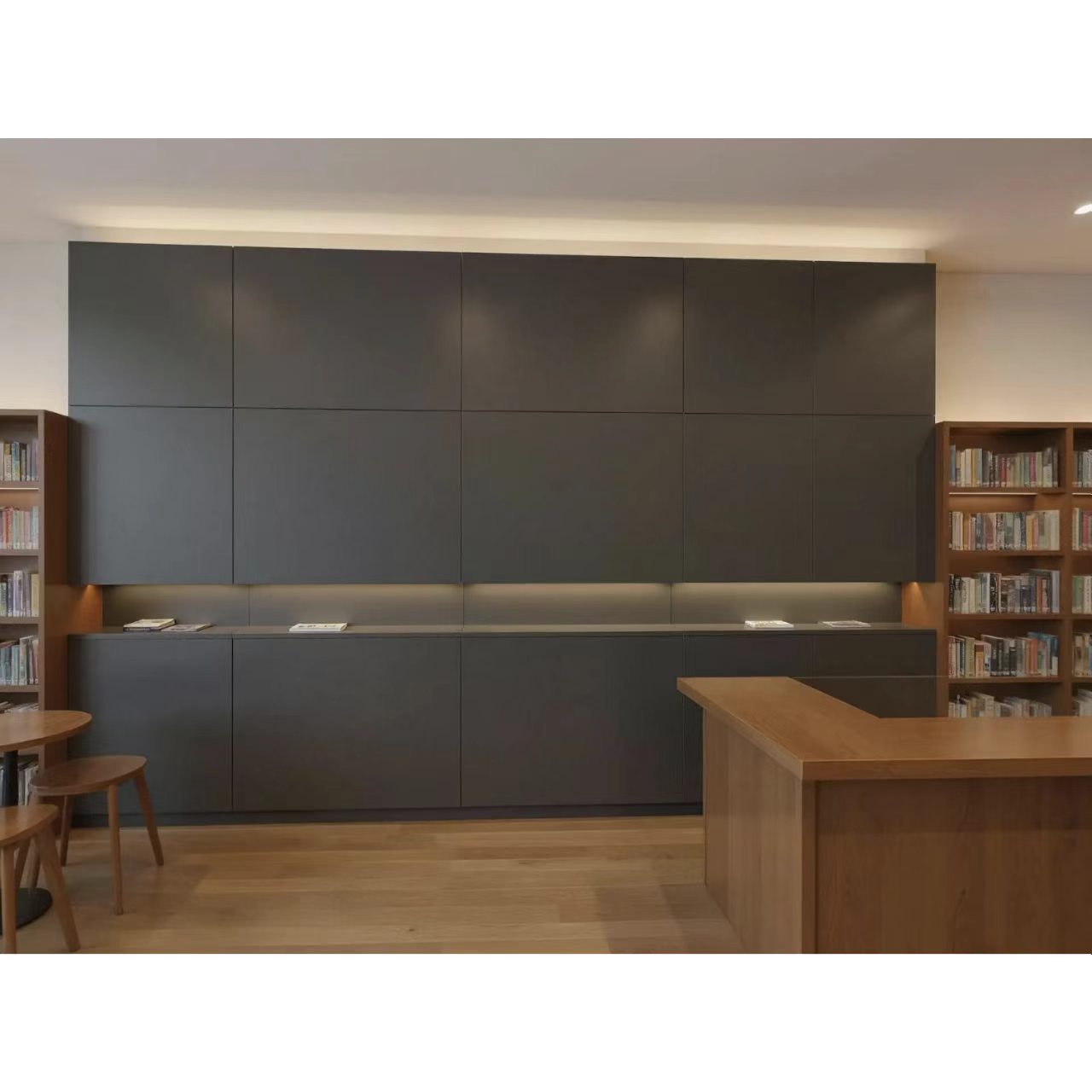
A low-cost PE-coated Alucobond panel can save a project a few thousand dollars at purchase. Then it can cost the same project six figures before the building turns fifteen. That is not a paradox. It is simple arithmetic once you count every line item that a cheap coating pushes onto the owner later.
The purchase order shows one number. The lifecycle shows another. This guide builds the full cost model—material, maintenance, recoating, replacement, and the access charges that dominate every facade event—so procurement teams can see where the real expense sits.
The Price Gap on Bid Day
Polyester (PE) coating is the lowest-cost finish on an ACM panel. A 4mm PE-coated panel runs about $2.50–$5.00 per square foot in material. A 70% PVDF panel of the same construction runs $4.00–$7.00. The PVDF premium lands at roughly $0.75 to $2.00 per square foot.
On a 10,000-square-foot facade, that premium totals $7,500 to $20,000. Real money, but a small share of the installed cost.
Installed cost runs $25 to $60+ per square foot for a commercial facade. Labor, fabrication, framing, and access make up 60% to 75% of that number. The panel itself is the minority line. A buyer who trades $1.50 per square foot of coating to save money moves a small fraction of the budget while carrying all the performance risk.
The First Hidden Line: What “Warranty” Actually Covers
PE coating carries a short warranty, and the short warranty hides a long cost.
A typical PE-coated Alucobond panel carries a 5-year warranty on color and chalk resistance. Some suppliers stretch that to 7 or 8 years. PVDF systems tested to AAMA 2605 carry 20-year warranties on standard colors, and premium systems reach 25 to 35 years.
The warranty length is not a marketing number. It is the manufacturer’s own estimate of how long the film will hold. A 5-year warranty tells the owner that the supplier expects chalking and fade inside the first decade. The owner pays for that expectation in maintenance and replacement.
PE coating starts chalking within 3 to 5 years of exterior exposure. That timeline matches the warranty almost exactly. The supplier is not hiding the failure. The purchase price simply does not reflect it.
The Second Hidden Line: Maintenance Frequency
Cleaning a facade sounds minor. Over fifteen years, it separates the two coatings.
PE surfaces chalk. Chalk is a powder. Dirt bonds into that powder and stains it. A chalked surface also holds moisture, which feeds mold and algae in shaded zones. The owner washes more often because the surface looks dirty faster.
A 10-year comparison puts the difference in cycles:
Maintenance item (10 years) | PE coating | PVDF coating |
Wash / repaint cycles | 3–4 | 1–2 |
Fading-driven replacement risk | 12–18% | < 2% |
Table 1. Ten-year maintenance comparison. Data from coating performance comparisons for PE and PVDF systems.
Those extra wash cycles cost labor, access, and water. On a low-rise building with a garden hose, the cost is modest. On a mid-rise with scaffold or a boom lift, each cycle runs into five figures before any coating work begins.
A PVDF film resists chalking, so the surface sheds dirt and rain rinses it clean. The owner still washes on schedule. The owner does not wash because the wall looks failed.
The Third Hidden Line: Recoating Does Not Restore a Failed Film
Owners sometimes assume they can repaint a chalked facade and reset the clock. For a factory-applied coil coating, that assumption fails.
Field painting does not restore an AAMA rating. A field-applied paint system carries no AAMA 2605 certification. The warranty on the original panel does not transfer to the repaint. Color match against the original factory finish is approximate at best, so a repainted wall often shows patchy tone between touched areas and sound panels.
Repainting addresses the symptom, not the failure. A chalked PE film has lost resin. The pigment sits on a degraded binder. Field paint bonds to whatever surface remains. Adhesion tests on chalked substrates typically require aggressive cleaning or primer systems, and even then the new film sits on a weakened foundation.
Replacement, not recoating, is the real remedy. Industry lifecycle guidance treats recoating or replacement as a 10–15-year event for coated metal facades. For a PE-coated wall, that event arrives near year five to year eight. For a PVDF wall, the same event sits beyond year twenty.
The Fourth Hidden Line: Replacement Repeats the Full Installed Cost
Replacement is the largest line in the lifecycle model, because it repeats costs the owner already paid once.
A replacement event includes:
- New panels. Full material cost for the replaced area.
- Removal and disposal. Labor to strip the old system and haul it away.
- New framing or repair. Fasteners, clips, and substrate work that the removal damages.
- Access. Scaffold, swing stage, or aerial lift, mobilized for a second time.
- Finishing and sealing. Edge sealant, flashing, and joint work.
The access and labor share does not shrink on the second trip. It grows, because the building is now occupied and the work happens around tenants or operations.
Industry cost data puts the combined effect in range: replacement costs run 3 to 5 times the original panel price. On a 10,000-square-foot wall with $30,000 in original panel material, a replacement event can land at $90,000 to $150,000 before access is counted.
Building the Lifecycle Model
Put the lines together for a 10,000-square-foot facade over a 15-year ownership window. Use mid-range planning numbers.
PE-coated Alucobond path
Year 0 | Material premium avoided | –$15,000 (vs PVDF)
|
Year 0 | Installed cost (PE panel, labor, access) | +$300,000
|
Years 1–15 | Extra wash cycles (3–4 total) | +$25,000
|
Years 6–8 | First replacement (3–5× panel price) | +$120,000
|
Years 8–15 | Second-cycle maintenance and partial fix | +$30,000 |
15-year | total | ~$460,000 |
PVDF-coated Alucobond path
Year 0 | Installed cost (PVDF panel, labor, access) | +$315,000
|
Years 1–15 | Scheduled washing (1–2 cycles) | +$10,000
|
15-year total | total | ~$325,000 |
Figure 1. Illustrative 15-year lifecycle cost for a 10,000 sq ft facade. Install figures use the $25–$60/sq ft installed range from 2026 ACM cost data. Replacement applies the 3–5× panel-price factor from lifecycle guidance. Actual project costs vary with height, access, and region.
The PE path saves $15,000 at purchase and spends roughly $135,000 more by year fifteen. The crossover happens at the first replacement event, typically year six to year eight.
The PVDF premium recoups itself within 5 to 7 years through reduced cleaning, repainting, and replacement expenditure. Everything after that is net savings.
Where the Model Moves
The crossover shifts with site and building conditions.
Moves toward PVDF being cheaper sooner:
- Coastal, industrial, or high-UV site. PE chalk arrives earlier, so replacement arrives earlier.
- Building height above three stories. Access cost rises with height, and replacement access rises with it.
- Occupied building. Facade work disrupts operations. That cost stays off the invoice and lands on the owner.
Moves toward PE being defensible:
- Interior wall or fully sheltered soffit. PE performs indoors and costs less.
- Temporary structure with a horizon under five years. A hoarding does not need a twenty-year film.
For any permanent exterior facade on a building the owner intends to keep, the PE savings are a one-time discount against a recurring cost.
A Lifecycle Procurement Checklist
Use this list when you compare PE and PVDF quotations.
Coating and warranty
- Confirm the warranty length in writing. A PE warranty of 5–8 years tells you the supplier’s own expected service life.
- For PVDF, confirm 70% Kynar 500 or Hylar 5000 resin and AAMA 2605 certification.
- Ask whether the warranty covers chalk, color, and film adhesion after ten years.
Lifecycle inputs
- Get the **installed cost, not just the panel price. Labor and access dominate the budget.
- Ask the supplier for a replacement cost estimate at current access rates.
- Count the wash cycles the warranty requires over fifteen years.
Site assessment
- Rate the site for UV, pollution, and salt load. Higher load shortens the PE cycle.
- Confirm the building height and access method. Height multiplies every future event.
Bottom Line for Buyers
A PE-coated Alucobond panel is a cheap purchase and an expensive facade. The material saves $0.75 to $2.00 per square foot. The short warranty, the extra wash cycles, and the replacement event at year six to eight spend that savings several times over.
A PVDF-coated Alucobond panel built to AAMA 2605 costs 30% to 80% more on the material line and carries a 20-year warranty on the film. The premium recoups within five to seven years. The wall runs past year fifteen on one installation.
Run the lifecycle math before the purchase order goes out. The lowest bid is rarely the lowest wall.