Welcome to Vbond
Consolidating Aluminum Composite Panel Orders with Other Building Materials
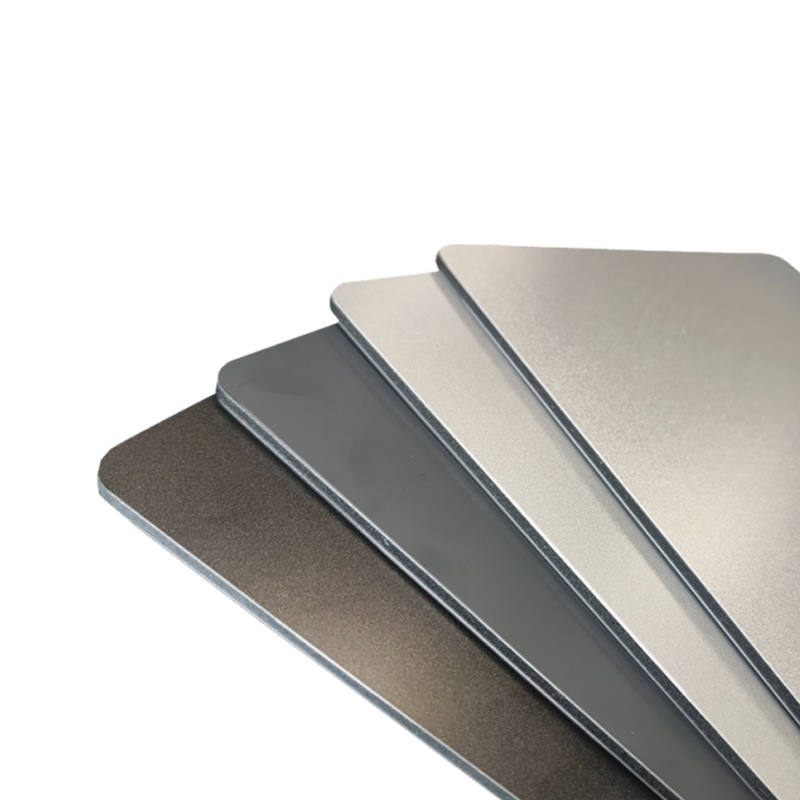
For procurement professionals managing construction projects, freight logistics often represents one of the largest—and most frustrating—budget items. Each material supplier ships separately. Aluminum composite panels come from one factory, glass from another, steel from a third. The result is multiple LCL shipments, each with its own freight charges, handling fees, and customs clearances. The costs multiply. The paperwork multiplies. The risk of delays multiplies.
There is a better way. Consolidation —combining ACPs with other building materials into a single container shipment—can cut freight costs by 30–40%, reduce administrative overhead, and streamline customs clearance. But consolidation must be done correctly. Mixed cargo that is poorly planned leads to damage, delays, and disputes.
This guide provides a practical framework for consolidating aluminum composite panels with other building materials, from assessing compatibility to executing a flawless load plan.
1. Understanding Your Consolidation Options
Before consolidating, you must understand the two primary methods.
A. Traditional LCL (Less-than-Container Load)
In traditional LCL consolidation, your cargo shares a container with shipments from multiple different buyers. A freight forwarder groups goods at a Container Freight Station (CFS), stuffs the container, and deconsolidates at the destination port.
- Advantages: Pay only for the space you use (per cubic meter). Ideal for small shipments under 13 CBM.
- Disadvantages: Longer transit times (consolidation adds 7–14 days), multiple handling points, higher risk of damage (up to 15% in mixed loads), and shared liability for customs delays.
- Costs: $100–200 per CBM plus consolidation fees; fuel surcharges add 15–25%.
For ACPs, which are large, flat, and surface-sensitive, traditional LCL is rarely optimal. Your panels may be stacked beneath heavy steel beams or beside abrasive stone—scratches are almost guaranteed.
B. Buyer’s Consolidation (Full Container Load, Single Buyer)
This is the preferred method for construction projects. Buyer's consolidation combines multiple shipments from your own suppliers into one dedicated container for your exclusive use.
- Advantages: Single customs clearance, 30–40% cost reduction versus multiple LCL shipments, dedicated control over loading and handling, faster transit than shared LCL.
- Considerations: Requires sufficient total volume (typically 20+ CBM) and coordination of supplier delivery schedules.
- Typical savings: On an Asia-US route, a 55 CBM buyer's consolidation saved $4,200 through single customs entry and avoided destination CFS fees.
For ACPs, buyer's consolidation is strongly preferred. Your panels remain in your container, handled by your freight forwarder, loaded according to your plan.
2. Why Consolidate ACPs Specifically?
Aluminum composite panels have characteristics that make them both suitable for—and demanding of—proper consolidation.
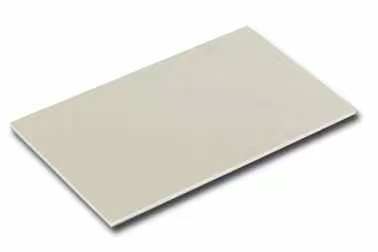
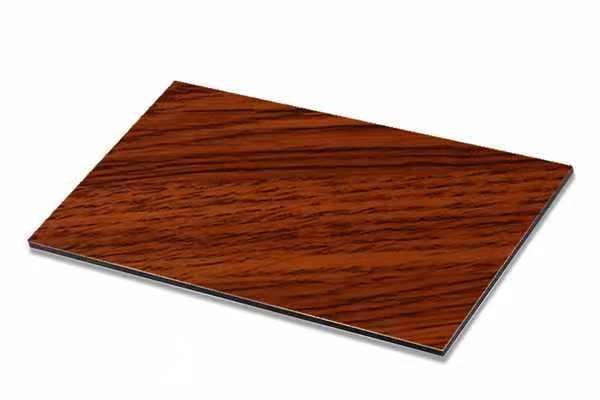
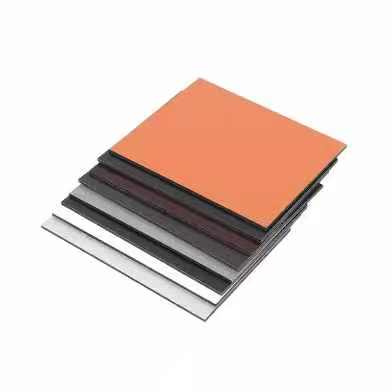
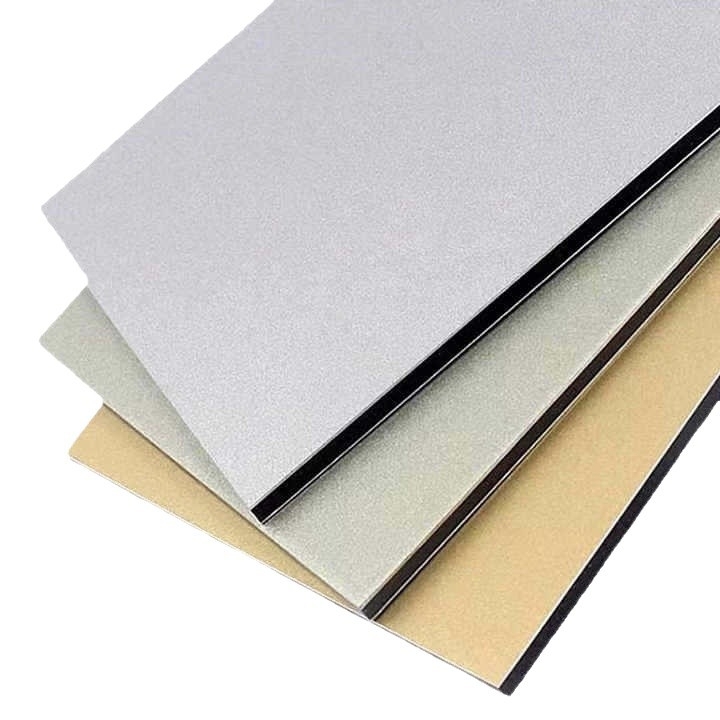
ACP Characteristic | Implication for Consolidation |
Lightweight (5.5–7.5 kg/m² for 4mm) | Can be stacked above heavier materials; good for load planning |
Large, flat surface area | Requires separation from abrasive or sharp-edged materials |
Protective PE film (scratch protection) | Film must remain intact; cannot be torn by adjacent cargo |
Vulnerable to moisture | Must be isolated from wet or condensation-prone materials |
Palletized for handling | Pallet dimensions must fit with other palletized goods |
When consolidated correctly, ACPs can be positioned safely—typically on top of pallet stacks, away from heavy crush zones.
3. Materials That Consolidate Well with ACPs
Not all building materials are good consolidation partners. Understanding compatibility is the first step to a damage-free shipment.
Recommended Consolidation Partners
- Lightweight materials (insulation, acoustic panels, foam board): Low density, non-abrasive, can be placed above or beside ACPs.
- Windows and doors (properly crated): Rigid wooden crates protect both the windows and adjacent ACPs; crates can be stacked or side-loaded.
- Lighting fixtures and electrical components (double-boxed): Small, lightweight, easily placed in gaps or on top of pallet stacks.
- Plumbing fixtures (packaged): Non-abrasive, non-dusting; can be consolidated if properly segregated.
- Cabinetry and flat-pack furniture (export-grade cartons): Similar pallet dimensions to ACPs; can be arranged in compatible stacking patterns.
Materials Requiring Careful Segregation
- Stone, tile, concrete products: Heavy, dense, dust-generating. Must be placed below ACPs and wrapped to contain dust. Line crates with poly sheeting to prevent contamination[reference:10].
- Steel beams, structural metal: Heavy, abrasive, prone to shifting. Must be secured separately; never stacked above or directly against ACPs. Wooden members can expose container side walls to point loads; crosspieces must rest properly on uprights.
- Glass panels: Fragile, requires rigid crates and "Fragile/Do Not Stack" labeling. Glass should be isolated from heavy materials and never placed under crush zones.
- Wood and lumber: Dust-generating, potential for moisture content. Wet or "green" timber should never be loaded with moisture-sensitive ACPs; humidity can damage the PE film and coating.
- Chemicals, paints, adhesives: Risk of spillage or fumes that could damage ACP coating. Ship separately.
Materials to Avoid Consolidating
- Abrasive blasting media, loose sand, cement: Dust migrates; fine particles will infiltrate packaging and scratch panel surfaces.
- Oversized equipment: Requires dedicated space and heavy securing that compromises load stability for adjacent panels.
4. Step-by-Step Consolidation Process
Step 1: Calculate Total Volume and Select Container
Begin with a readiness matrix: list each supplier, items, quantities, dimensions (L×W×H), weight, and pallet count[reference:14].
Volume thresholds:
- Under 14 CBM: LCL may be cost-effective (but buyer's consolidation may still be better for control).
- 14–20 CBM: Compare LCL and FCL quotes.
- Over 20 CBM: Buyer's consolidation FCL is typically optimal.
Container selection:
- 40ft High Cube offers the best volume-to-weight headroom for mixed bulky loads, with extra height for layered stacking.
- 20ft container suits very dense cargo (tile, stone) where weight limits are reached before volume.
Step 2: Align Supplier Delivery Schedules
The greatest risk in buyer's consolidation is one supplier delaying the entire shipment. Coordinate delivery windows to the consolidation warehouse.
- Negotate with all suppliers a 3–5 day delivery window.
- Build in 2–3 days of buffer between earliest and latest delivery.
- For suppliers with long lead times, consider partial consolidation or air freight for small missing items.
Step 3: Specify Uniform Packaging Standards
Mixed consolidation requires consistent packaging across suppliers. Include packaging specifications in all purchase orders:
- Palletization: All pallets must be ISPM-15 compliant (heat-treated wood with visible markings).
- Dimensions: Standardize pallet footprints where possible (e.g., 1100×1100mm or 1200×1200mm) to maximize container fit.
- Protection: Each supplier must provide edge protectors, corner guards, and stretch wrap.
- Labeling: Clear labels identifying supplier, contents, dimensions, weight, and handling instructions (e.g., "Fragile," "This Side Up," "Do Not Stack").
Step 4: Partner with a Specialized Consolidation Freight Forwarder
Not all freight forwarders handle mixed building materials consolidation well. Look for:
- Experience with construction materials: Forwarders should understand the specific handling needs of glass, stone, steel, and panels.
- Consolidation warehouse in the origin country (e.g., Foshan, Shanghai, Shenzhen): This allows suppliers to deliver to a central hub where cargo is inspected, repacked if necessary, and loaded into containers.
- Digital tracking and visibility: AI-driven platforms provide real-time updates and exception alerts.
GeorgeBuild, for example, operates a centralization warehouse in Foshan that consolidates orders from heavy stone slabs to fragile lighting, using custom-built plywood crates for glass and marble and corner protectors for furniture.
Step 5: Engineer the Load Plan
A well-engineered load plan prevents compression, abrasion, and imbalance. The principle: heavy goods low, soft goods high.
Load order (from floor upward):
1. Bottom layer: Heavy, dense materials (stone, tile, steel). These can bear weight and will not be crushed.
2. Middle layer: Medium-weight goods (windows, doors in crates, cabinetry).
3. Top layer: Lightweight, surface-sensitive materials (ACPs, insulation, lighting, upholstered furniture).
Segregation requirements:
- Dust-generating materials (tile, stone, cement) must be wrapped in poly sheeting to contain dust.
- Fragile items (glass, lighting) must be in rigid crates with foam inserts and corner protection, with clear "Fragile/Do Not Stack" labels.
- Wood and upholstered furniture should be elevated off the container floor on pallets or skids and wrapped with a vapor barrier and desiccants.
Space utilization: Keep a 10–15% buffer for dunnage, bracing, and forklift access aisles.
Step 6: Documentation and Customs Compliance
Consolidation simplifies customs clearance (one entry instead of many) but requires meticulous documentation accuracy.
- Single commercial invoice and packing list covering all consolidated goods, with clear breakdown by supplier.
- HS codes verified for each product category. 2025 updates include stricter US HTS requirements (from September 1) and GCC 12-digit codes (from January 1).
- Country of origin clearly stated for each item, especially for anti-dumping categories (certain steel and aluminum products).
A specialized consolidator will handle documentation and customs clearance, often offering DDP (Delivered Duty Paid) service covering freight, duties, and final delivery.
5. Risks and Mitigation Strategies
Consolidation introduces specific risks that must be actively managed.
Risk | Mitigation |
Cargo damage (15% in mixed loads) | Proper packaging, load planning (heavy low/light high), interleaving, and segregation of incompatible materials |
Supplier delay | Buffer days between delivery windows; consider penalty clauses for late delivery |
Customs hold on one item delays entire container | Ensure all documentation is accurate and consistent; work with customs broker to expedite partial release where permitted |
Theft in shared CFS | Buyer's consolidation (dedicated container) reduces exposure; full cargo insurance recommended |
Demurrage at destination | Pre-arrange trucker pickup; monitor free time windows; have backup carrier |
Insurance: Purchase comprehensive cargo insurance covering the full consolidated value. Basic carrier coverage is rarely sufficient. Keep invoices and shipping records as proof of value for claims.
6. Cost Comparison: Separate Shipments vs. Consolidation
Scenario: A project requires:
- 4,000 m² ACPs (approx. 2 × 40ft containers)
- 500 m² stone tile (1 × 20ft container)
- 200 units of windows/doors (1 × 40ft container)
Separate Shipments (3 separate FCL containers):
Shipment | Container | Freight Cost |
ACPs | 2 × 40ft | $6,000 |
Stone tile | 1 × 20ft | $2,500 |
Windows/doors | 1 × 40ft | $3,000 |
Total Freight | $11,500 |
Consolidated Shipment (Buyer’s Consolidation, 3 containers loaded at central warehouse):
Item | Freight allocation (shared container cost) |
ACPs, stone tile, windows consolidated into 3 × 40ft High Cube | $8,000 |
Single customs clearance, reduced documentation fees | $500 |
Total Freight | $8,500 |
Savings: $3,000 (26%) , plus reduced administrative overhead, faster overall transit (no waiting for partial shipments), and fewer receiving events at the jobsite.
7. When Consolidation Makes Sense (and When It Doesn't)
Consolidation is ideal when:
- You are sourcing 3+ material types from the same geographic region (e.g., Guangdong province, China)
- Total volume exceeds 20 CBM
- Suppliers can coordinate delivery within a 5-day window
- The materials are broadly compatible (no extreme weight/abrasion mismatches)
- You have a trusted freight forwarder with consolidation warehouse capabilities
Consolidation is not recommended when:
- One material is extremely time-sensitive (delay on one supplier holds everything)
- Materials are fundamentally incompatible (e.g., ACPs and bulk cement)
- One supplier cannot meet packaging standards (risk of damage to other materials)
- Volume is very low (under 10 CBM) – individual LCL may be simpler
8. Conclusion
Consolidating aluminum composite panels with other building materials is a powerful procurement strategy that reduces freight costs, simplifies logistics, and minimizes administrative burden. When executed correctly—with careful material compatibility assessment, disciplined supplier coordination, robust packaging, and an experienced freight forwarder—consolidation delivers significant savings without compromising product integrity.
The key principles are clear: use buyer's consolidation (dedicated FCL), not shared LCL, for ACPs. Plan the load with heavy materials at the bottom and ACPs on top. Segregate incompatible cargo. Standardize packaging. And partner with a forwarder that specializes in construction materials consolidation.
By consolidating intelligently, you transform fragmented, costly logistics into a streamlined supply chain—and keep your project budget intact.