Welcome to Vbond
Designing a Pharmacy Exterior with ACP: Balancing Security and Appeal
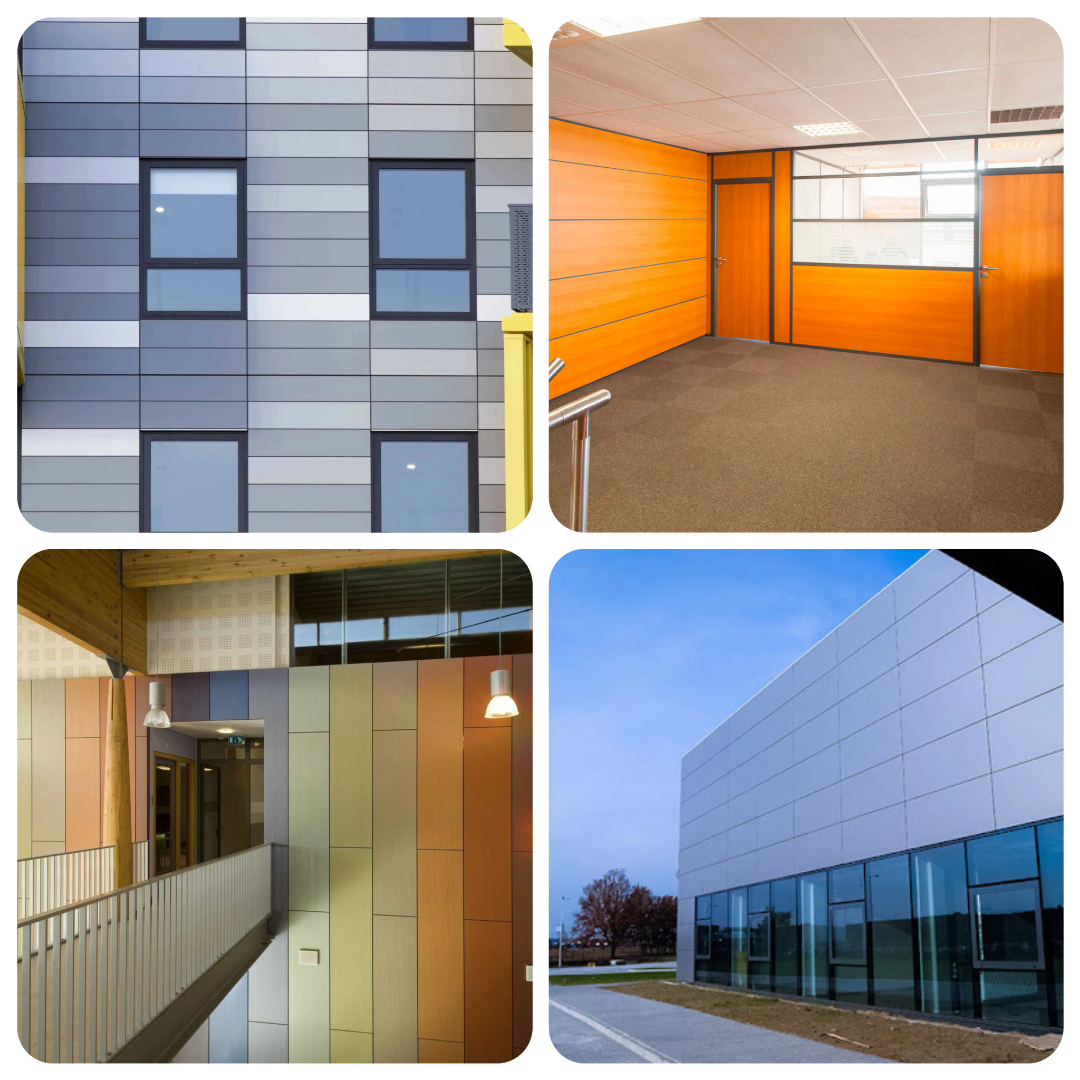
In the competitive landscape of retail healthcare, a pharmacy's exterior serves two masters. It must project warmth, professionalism, and accessibility to attract patients. Simultaneously, it must stand as a secure barrier against theft, vandalism, and environmental wear. This dual mandate—security and appeal—has traditionally forced architects into compromises. Fortified facades often feel cold and institutional, while welcoming designs can appear vulnerable.
Aluminium Composite Panels (ACP) have emerged as the ideal solution to this design dilemma. When specified and installed correctly, ACP allows architects to create pharmacy exteriors that are both visually striking and inherently secure. This article explores how to leverage ACP's unique properties to design a pharmacy facade that builds patient trust while deterring threats.
The Security Imperative: Why Pharmacy Exteriors Are Different
Pharmacies face security challenges distinct from other retail environments. They house controlled substances, high-value inventory, and serve patients at all hours. The exterior design must address these realities without creating a fortress mentality.
Modern pharmacy design must integrate safety and regulatory compliance from the ground up. This includes secure storage, restricted access zones, and surveillance systems. The exterior facade plays a critical role in this ecosystem by providing:
- Physical deterrence against forced entry
- Visibility for natural surveillance (sightlines from street to interior)
- Durability against vandalism and graffiti
- Structural integrity to support security fixtures and lighting
ACP addresses each of these requirements while delivering the aesthetic flexibility that healthcare brands demand.
The Appeal Factor: First Impressions in Healthcare
Before patients experience your clinical care, they experience your building. Research in pharmacy design consistently emphasizes that curb appeal directly influences patient confidence. A well-maintained exterior instills trust, while a neglected or uninviting facade may deter patients from returning.
The psychology of healthcare environments suggests that patients seek spaces that feel:
- Clean and hygienic (sterile but not cold)
- Professional and authoritative (competent and reliable)
- Welcoming and calming (reducing anxiety)
ACP's clean lines, uniform finish, and design versatility allow architects to strike this balance. Unlike traditional materials that may show wear or require frequent repainting, high-quality ACP maintains its appearance with minimal maintenance, reinforcing the pharmacy's commitment to cleanliness and order.
Material Selection: Choosing the Right ACP for Pharmacy Applications
Not all ACP is created equal. For pharmacy exteriors, three specific material properties should guide selection.
1. Antibacterial Coating Technology
Perhaps the most significant innovation for healthcare-adjacent applications is the development of antibacterial coatings for ACP. Products like abacton® from ELVAL COLOUR incorporate silver (Ag) ions into the coating system.
Silver ions are well-documented for their ability to adhere to bacterial cell walls and neutralize bacterial reproduction. For a pharmacy exterior—particularly around entry doors, drive-thru windows, and payment terminals—this technology provides an active defense against pathogen transmission.
These panels are specifically recommended for:
- Pharmacies and retail stores
- Hospitals and clinics
- Food processing and pharmaceutical industries
- Laboratories and clean rooms
2. Fire-Resistant Core
Given the high-occupancy nature of pharmacies and their frequent location within mixed-use buildings or medical plazas, fire safety is paramount. Specifying ACP with a fire-retardant (FR) core is non-negotiable.
Products combining antibacterial coatings with FR cores (such as etalbond FR 3mm) offer the ideal specification for pharmacy exteriors, providing both life safety and hygiene benefits.
3. Structural Durability and Flatness
Pharmacy exteriors must withstand daily public interaction, cleaning, and environmental stress. ACP selected for this application should offer:
- Superior paint finish resistant to fading and chalking
- Flatness without oil canning for a professional appearance
- Flexibility for custom shaping around architectural features
Projects like the Fort Saskatchewan Community Hospital utilized ALPOLIC ACM specifically for its "superior paint finish, flexibility, and flat look without oil canning issues," using five custom colors to enhance both integrity and aesthetics.
Design Strategies: Balancing Security and Appeal
With the right material selected, the next challenge is design execution. Here are five strategies for using ACP to create pharmacy exteriors that are both secure and inviting.
1. The Transparent Fortress: Strategic Glazing Integration
Security does not require opacity. In fact, natural surveillance—the ability for passersby and staff to see into and out of the pharmacy—is a powerful deterrent against crime.
ACP can be used to frame large, structural glazing areas rather than replacing them. The Riga pharmacy by Substance architects demonstrates this principle beautifully: a perforated metal installation frame surrounds a core of structural glazing and composite panels, creating visual interest while maintaining visibility.
For pharmacies, this translates to:
- ACP-clad columns and structural elements that provide security without blocking sightlines
- Panel placement that directs views toward entry points
- Integration with security cameras and lighting fixtures
2. The Welcoming Night Presence: Integrated Lighting
Pharmacies often operate during evening hours when patients may feel vulnerable. Exterior lighting serves both security and aesthetic functions.
ACP's flat, uniform surface provides an excellent substrate for integrated lighting design. Consider:
- Backlit ACP panels that glow with brand colors, creating landmark visibility
- Recessed lighting within ACP soffits and canopy structures
- Illuminated signage integrated seamlessly into panel systems
The Riga pharmacy exemplifies this approach, with LED lighting built into the facade's cross modules, illuminating in bright green during low-light periods.
3. Brand Storytelling Through Color
ACP's color consistency and variety allow pharmacies to express brand identity across the entire facade. This is not merely aesthetic—consistent branding builds recognition and trust.
The Fort Saskatchewan hospital project utilized five different custom colors (SPR Green, GRN Green, BLA White, BRR Red, and BEE Beige) across the complex, demonstrating ACP's capacity for precise color matching.
For retail pharmacies, this enables:
- Signature brand colors applied to entire facade sections
- Color zoning to distinguish pharmacy entrances from adjacent retail
- Accent walls that draw attention to drive-thru or consultation areas
4. Clean Lines, Clean Reputation
Pharmacy design trends increasingly favor modern minimalist aesthetics characterized by clean lines, open spaces, and neutral palettes. This approach aligns perfectly with ACP's inherent properties.
Materials like tempered glass, brushed steel, and matte-finish ACP project efficiency and cleanliness—qualities patients seek in healthcare providers. The Pharmacy A Medicinal project in Portugal demonstrates how "elegance, light, and sophistication combine to create a clear, functional, and welcoming experience," using strategic material accents to create warmer, more human atmospheres.
5. Zoning the Exterior Experience
Just as interior pharmacy design benefits from zoning and spatial planning, the exterior should guide patients intuitively to their destinations.
ACP panels can define distinct exterior zones:
- The Arrival Zone: Bold ACP canopy or portal marking the main entrance
- The Drive-Thru Zone: Durable ACP cladding around service windows with integrated order confirmation screens
- The Consultation Zone: If exterior consultation areas exist, ACP provides a professional backdrop
- The Pick-Up Zone: Clear sightlines to designated waiting or parking areas
Installation Considerations for Pharmacy Applications
Material selection is only half the equation. Installation quality determines whether the facade delivers on its security and aesthetic promises.
Secure Attachment Systems
For pharmacies concerned about break-ins, the ACP attachment method matters. Consider:
- Concealed fixing systems that eliminate external access points
- Reinforced substrate attachment behind panels
- Impact-resistant backing in vulnerable areas
Edge Sealing and Moisture Management
Pharmacies cannot risk water infiltration that could damage interior inventory or promote mold growth. Proper edge sealing and drainage paths within the ACP system are essential. This is particularly critical around door frames, window openings, and drive-thru windows where the facade integrates with operating hardware.
Integration with Security Infrastructure
The exterior design must accommodate:
- Security camera mounting points (with concealed wiring paths)
- Emergency lighting fixtures
- After-hours access control systems
- Shutter or gate integration (where required)
Early coordination between the facade designer and security consultant prevents unsightly retrofits.
Regulatory Compliance and Accessibility
Any pharmacy design must adhere to accessibility requirements and local health regulations. ACP systems can support:
- ADA-compliant approaches: Panel profiles that accommodate required clearances
- Contrasting visual cues: Color changes to mark entry points for visually impaired patients
- Durable corner protection: Impact-resistant panel detailing at high-traffic edges
Importantly, non-compliance with health and safety regulations can result in fines, operational shutdowns, or liability issues. Engaging professionals experienced in healthcare retail design ensures both functional and legal requirements are met.
Case Study: The Hybrid Pharmacy Exterior
The most successful pharmacy exteriors today blend multiple design philosophies. Consider how these elements combine:
- Base: Durable, antibacterial-coated ACP in signature brand colors
- Accent: Wood-look or textured panels around entry to add warmth
- Transparency: Strategic glazing framed by ACP for visibility and natural surveillance
- Technology: Integrated digital signage within ACP surrounds for health messaging and promotions
- Lighting: Backlit ACP elements for nighttime presence and security
This hybrid approach "creates a unique identity that appeals to a broader customer base while maintaining brand authenticity".
Maintenance and Longevity
For pharmacy owners, maintenance costs matter. ACP offers compelling advantages:
- Graffiti resistance: Many ACP finishes resist paint adhesion, simplifying removal
- Easy cleaning: Non-porous surfaces wipe clean with standard agents
- Color stability: PVDF coatings resist fading from UV exposure and cleaning chemicals
- Impact resistance: Properly specified ACP withstands incidental contact without denting
Conclusion: The Material That Delivers Both
By specifying ACP with:
- Antibacterial surface protection
- Fire-retardant core materials
- Precision color matching
- Integrated lighting capability
Architects can create pharmacy exteriors that welcome patients warmly while standing secure against threats. The result is a facade that works as hard as the healthcare professionals inside.






