Welcome to Vbond
Digital Printing on ACP: Turning Your Building Facade into a Canvas
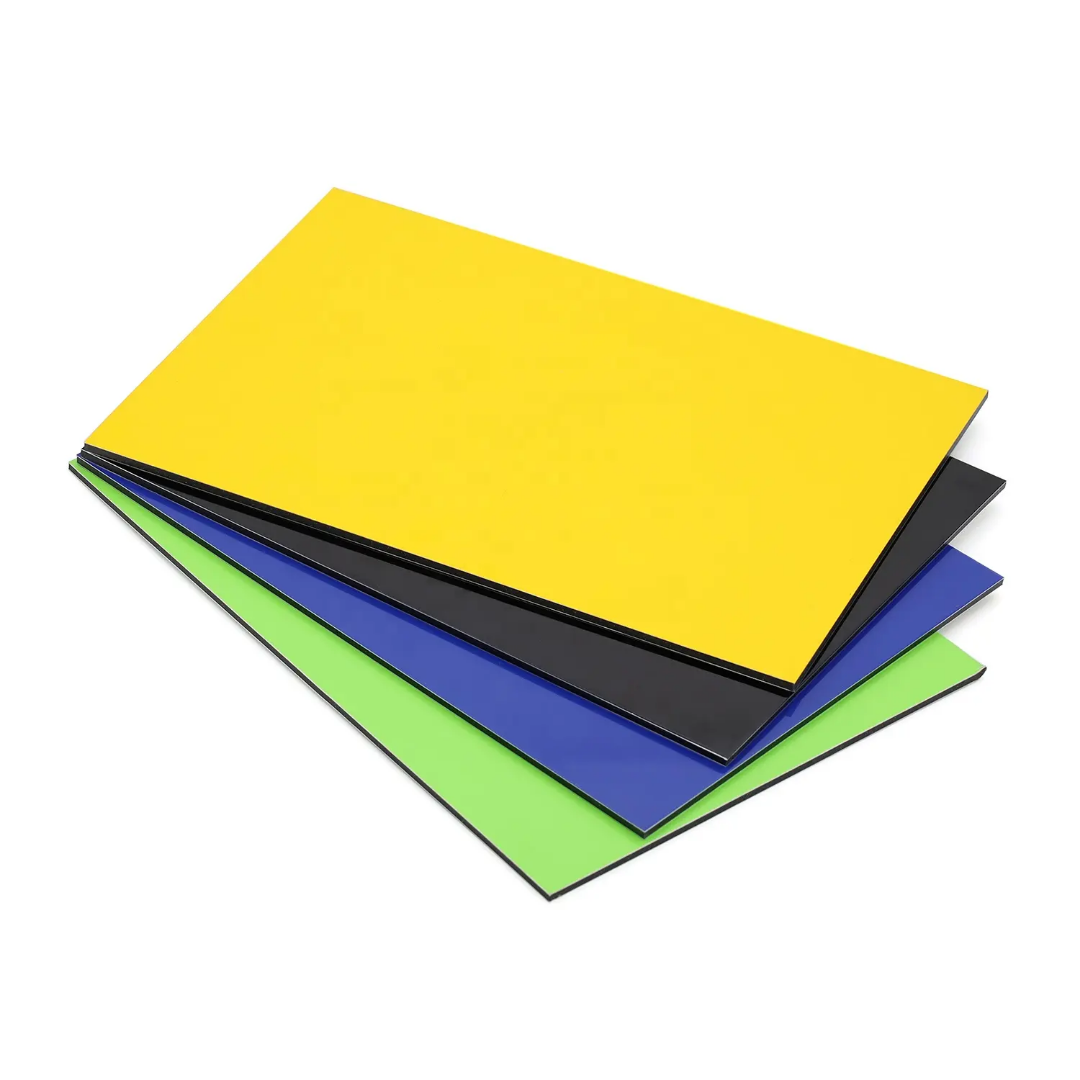
In the realm of contemporary architecture, the building facade has evolved from a passive protective shell into a dynamic platform for branding, art, and communication. At the forefront of this revolution is digitally printed Aluminum Composite Material (ACM/ACP), a technology that transforms standard panels into high-resolution, durable artworks. This article explores how digital printing on ACP is redefining architectural aesthetics, enabling designers to turn any building facade into a captivating, large-scale canvas.
Beyond Standard Cladding: The Printed ACP Revolution
Traditional building materials offer limited aesthetic expression. Digitally printed ACP, however, breaks these constraints by merging the superior physical properties of Aluminum Composite Panels with virtually unlimited graphic potential. This process involves using advanced UV-curable or eco-solvent inks to print high-fidelity images directly onto the factory-finished ACP surface, which is then protected by a robust overlaminate. The result is a custom architectural cladding that is as durable as it is stunning.
The Technology Behind the Canvas
The process leverages state-of-the-art wide-format digital printing technology, capable of producing seamless, large-panel graphics with exceptional precision. Key technical advantages include:
High-Resolution Graphics: Achieve photorealistic images, intricate patterns, and sharp brand assets at an architectural scale.
Color Accuracy & Vibrancy: Advanced color management ensures brand colors are matched exactly, and UV-resistant inks maintain vibrancy for years.
Seamless Large-Scale Artworks: Through meticulous panel-to-panel registration, printers can create continuous, breathtaking murals across vast facades without visible breaks.
Unlocking Creative & Commercial Applications
The applications for digitally printed ACP are as diverse as the designs it can carry:
1. Architectural Branding & Corporate Identity
Transform a corporate headquarters or retail store into a monumental brand statement. Custom facade graphics can incorporate logos, brand colors, and thematic imagery, creating an immersive brand experience before a customer even steps inside.
2. Artistic Murals & Cultural Landmarks
Public buildings, museums, and cultural centers can feature works by artists as permanent, weather-resistant installations. This turns architecture into public art, enhancing community engagement and creating iconic architectural murals.
3. Camouflage & Visual Integration
Printing realistic patterns like brick, stone, wood, or even surrounding landscapes onto ACP allows new structures to blend sympathetically with historical contexts or natural environments, aiding in sensitive urban planning.
4. Dynamic Advertising & Wayfinding
For commercial spaces, facades become high-impact, permanent advertising billboards. In large complexes, printed graphics can serve as an immense, intuitive wayfinding tool.
Why Choose Digitally Printed ACP? The Performance Benefits
This solution is not merely about aesthetics; it's a high-performance building material.
Uncompromised Durability: The printed graphic is sealed beneath a durable protective film (often PVDF), making it resistant to scratching, fading, and chemical cleaning. It retains the core ACP benefits of weather resistance, impact resistance, and longevity.
Material Efficiency & Versatility: The printing is applied to standard, formable ACP sheets. This means the panels retain their workability—they can still be curved, cut, and fabricated into 3D shapes post-printing for truly sculptural effects.
Cost-Effective Customization: Compared to traditional methods of achieving complex facades (like custom ceramic tiles or hand-applied mosaics), digital printing offers a highly customizable solution at a competitive cost, especially for mid-to-large-scale projects.
Speed & Precision: Digital files go directly from design to production, reducing lead times and eliminating the interpretation errors associated with manual installation of complex patterns.
Specification Considerations for Optimal Results
To ensure a successful project, consider these key factors:
Substrate Quality: Start with high-quality, manufacturer-approved ACP with a consistent factory-coated surface for optimal ink adhesion.
Print Technology & Inks: Specify UV-curable inks for exterior durability and color fastness. The printing service should have a proven track record with architectural-scale projects.
Protective Overlaminate: A high-grade, exterior-rated protective film is non-negotiable for long-term graphic integrity.
Design for Fabrication: Work closely with the printer and fabricator from the design phase to ensure the graphic layout accounts for panel seams, bends, and mounting systems, creating a cohesive final image.
Conclusion: Redefining the Skyline with Personalized Architecture
Digital printing on ACP represents a paradigm shift in architectural design, where the boundary between cladding and communication dissolves. It empowers architects, brands, and communities to personalize the built environment in a permanent and impactful way. By transforming a reliable, engineered material like ACP into a bespoke canvas, this technology allows every building to tell a unique story, convey a brand essence, or contribute to public art. It is the ultimate fusion of durable building materials and limitless architectural visualization, turning facades into landmarks.






