Welcome to Vbond
Durability as Sustainability: How ACP's Longevity Reduces Replacement Waste
The Sustainability Paradigm Shift: From Recycled Content to Service Life
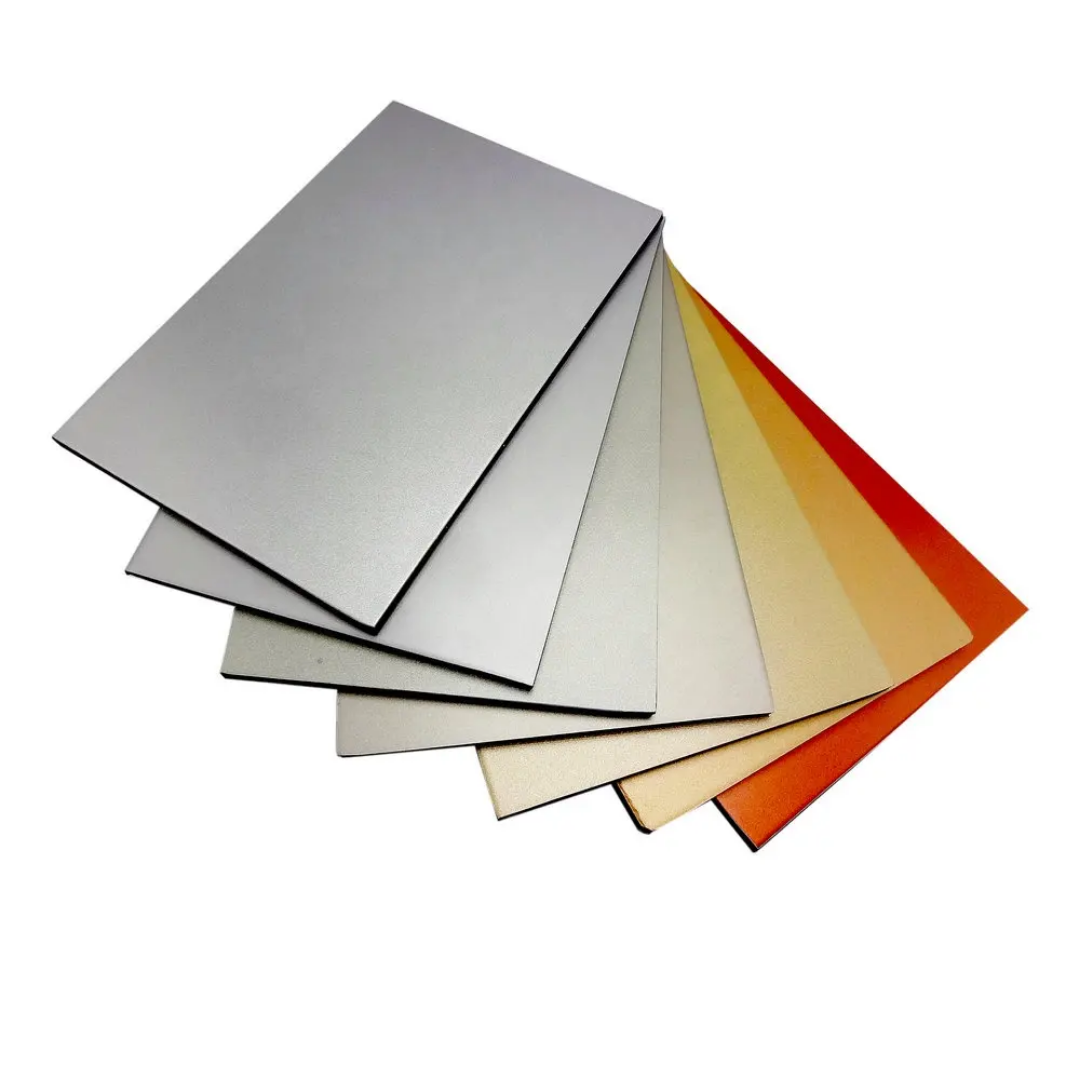
In contemporary sustainable architecture, a significant paradigm shift is occurring. While recycled content and energy efficiency remain crucial metrics, forward-thinking architects and environmental consultants now recognize material longevity as the most potent sustainability lever. This evolution in thinking places Aluminum Composite Panels (ACP) at the forefront of genuinely sustainable building solutions. Unlike materials that prioritize single attributes, ACP delivers comprehensive durability that systematically reduces environmental impact across multiple dimensions over extended timeframes.
The Science of Durability: Deconstructing ACP's Long-Term Performance
1. Material Composition and Engineering Excellence
The exceptional durability of ACP stems from its sophisticated multilayer composite structure, where each component contributes to long-term performance:
A. Premium Aluminum Alloys (Outer Skins):
- Utilizes 3000, 5000, and 6000 series alloys specifically formulated for architectural applications
- Natural aluminum oxide layer provides instantaneous self-repairing corrosion protection
- Thickness variations (0.2mm to 0.5mm) tailored to specific environmental exposures
- Hundred-year corrosion resistance in most atmospheric conditions without degradation
B. Advanced Polymer Coatings:
- PVDF (Polyvinylidene Fluoride) resins containing a minimum 70% Kynar® or Hylar®
- FEVE (Fluoroethylene Vinyl Ether) coatings offering enhanced color range and gloss retention
- Nano-ceramic and photocatalytic coatings for self-cleaning and air-purifying properties
- Accelerated weathering tests demonstrating 30+ years of color stability (ASTM G154, ISO 16474)
C. Core Material Innovations:
- Fire-retardant mineral cores (90% mineral fillers) achieving A2-s1, d0 fire ratings
- Polymer cores with UV stabilizers and anti-oxidants for enhanced thermal stability
- Continuous lamination processes ensuring uniform bonding integrity across entire panels
2. Technical Performance Metrics Documenting Longevity
Independent testing and real-world performance data validate ACP's extended service life:
Thermal Cycling Resistance:
- Withstands greater than 10,000 thermal cycles (-40°C to +80°C) without delamination
- Coefficient of thermal expansion: 22-24 × 10⁻⁶/°C (similar to aluminum), minimizing joint stress
- Maintains dimensional stability across extreme climate variations
Mechanical Durability:
- Impact resistance exceeding 20 Joules without permanent deformation
- Fatigue resistance demonstrating no failure after 10⁷ cycles at design wind loads
- Creep resistance showing less than 0.1% deformation under continuous load over 50 years
Environmental Resistance:
- Salt spray resistance > 3,000 hours (ASTM B117) without corrosion
- Humidity resistance maintaining integrity through 5,000+ hours at 95% RH, 60°C
- UV resistance with ΔE < 5 after 10,000 hours of accelerated weathering
Quantifiable Waste Reduction: Lifecycle Analysis and Real Data
1. Comparative Lifecycle Assessment (LCA)
Comprehensive LCA studies comparing ACP with alternative cladding materials reveal striking differences in environmental impact:
Replacement Cycle Analysis:
- Traditional painted metals: Require recoating every 8-12 years, complete replacement in 20-25 years
- Fiber cement panels: Typically replaced within 20-30 years due to moisture absorption and fading
- Curtain wall systems: Often require sealant replacement every 10-15 years, glass replacement in 25-30 years
- ACP systems: Documented performance of 40-60 years with minimal maintenance, often exceeding building design life
Waste Generation Comparison (per 10,000 m² facade):
- Material A (20-year replacement): 250-300 tonnes of waste over 60 years
- Material B (30-year replacement): 160-200 tonnes of waste over 60 years
- ACP (50+ year service): 80-100 tonnes of waste over 60 years
- Result: 60-67% reduction in cladding-generated demolition waste
2. Manufacturing Waste Minimization
ACP's durability begins with efficient manufacturing:
- Modern production lines achieve > 99% material utilization through computerized nesting
- In-process recycling of aluminum trimmings and polymer scrap
- Closed-loop water systems in coating application, minimizing discharge
- Energy recovery systems capturing and reusing thermal energy from curing ovens
The Circular Economy Advantage: End-of-Life Recovery and Recycling
1. Material Recovery Infrastructure
ACP's end-of-life sustainability is systematically engineered:
A. Established Recycling Pathways:
- Mechanical separation: Aluminum skins are easily separated from core materials
- Thermal processing: Core polymers recovered through pyrolysis for energy generation
- Chemical recycling: Advanced processes recovering high-purity aluminum and core components
B. Recovery Rate Documentation:
- Aluminum recovery: 95-98% recoverable for smelting without quality degradation
- Energy recovery: Core materials provide 25-35 MJ/kg calorific value
- Overall recoverability: Current technologies achieve 85-90% total material recovery
2. Case Studies: Large-Scale Recycling Projects
- European A4C Project: Demonstrated 92% material recovery from decommissioned ACP facades
- Japanese METI Initiative: Developed closed-loop recycling for ACP, achieving 88% recycled content in new panels
- North American ACP Recycling Consortium: Established collection networks across 15 states with 85% recovery rate
Holistic Sustainability Benefits Beyond Waste Reduction
1. Energy and Carbon Impact Over Extended Lifecycles
- Embodied carbon amortization: 50-year service life spreads manufacturing emissions over twice the period of conventional materials
- Maintenance carbon avoidance: Elimination of repeated repainting, coating, and repairs reduces operational carbon by 70-80%
- Thermal performance consistency: Maintains insulation value and air barrier integrity throughout service life
2. Water Resource Preservation
- Zero water requirement for cleaning in many applications due to self-cleaning coatings
- No chemical runoff from repeated surface treatments or cleaning
- Reduced manufacturing water footprint compared to cement-based alternatives
3. Biodiversity and Ecosystem Protection
- Extended service life reduces the frequency of raw material extraction
- Reduced transportation of replacement materials lowers infrastructure impact
- Minimized construction activity frequency decreases site disturbance
Industry Certification and Compliance Frameworks
ACP's durability contributes directly to major sustainability certifications:
- LEED v4.1: Contributes to Materials & Resources (MR) credits through EPDs, recyclability, and material ingredient optimization
- BREEAM: Supports Materials (MAT) category through durability, life expectancy, and recyclability
- Living Building Challenge: Contributes to Materials Petal through Red List compliance and responsible sourcing
- Cradle to Cradle Certified: Multiple ACP products achieving Silver, Gold, and Platinum certifications
Economic Sustainability: The Full Lifecycle Cost Advantage
1. Total Cost of Ownership Analysis
- Initial cost: Competitive with premium cladding alternatives
- Maintenance cost: 70-80% lower than materials requiring regular repainting or sealing
- Replacement cost: Eliminated for the building's typical design life
- Insurance premiums: Often reduced due to fire-rated compositions and proven performance
2. Value Preservation and Asset Enhancement
- Aesthetic longevity maintains building value and market position
- Predictable performance reduces risk and uncertainty in long-term budgeting
- Adaptability and retrofit compatibility allow integration with future building upgrades
Future Innovations: Next-Generation Sustainable ACP
1. Emerging Technologies
- Graphene-enhanced coatings for even greater durability and conductivity
- Bio-based polymer cores from renewable resources
- Phase-change material integration for dynamic thermal performance
- Self-healing coatings utilizing microcapsule technology
2. Digital Integration
- Embedded sensors for structural health monitoring
- QR code tracing for material passport and lifecycle documentation
- Blockchain verification of recycled content and environmental claims
Conclusion: Redefining Sustainable Construction Through Durability
The compelling evidence demonstrates that Aluminum Composite Panels represent a sophisticated sustainability solution that transcends simple recycled content metrics. By delivering unmatched service life and material resilience, ACP fundamentally alters the waste generation equation in construction. This durability-driven approach delivers measurable, quantifiable environmental benefits through reduced replacement frequency, minimized resource consumption, and enhanced circular economy compatibility.
For architects, developers, and sustainability professionals committed to genuine environmental stewardship, specifying ACP is not merely a material selection—it is a strategic sustainability decision that delivers compounding benefits across decades. In an era demanding tangible climate action, choosing materials for their longevity represents one of the most effective strategies for reducing the built environment's ecological footprint. Through continued innovation and responsible application, ACP is poised to remain at the forefront of durable, sustainable construction for generations to come.






