Welcome to Vbond
Eco-Friendly ACP: Recyclable Materials and Green Building Certifications
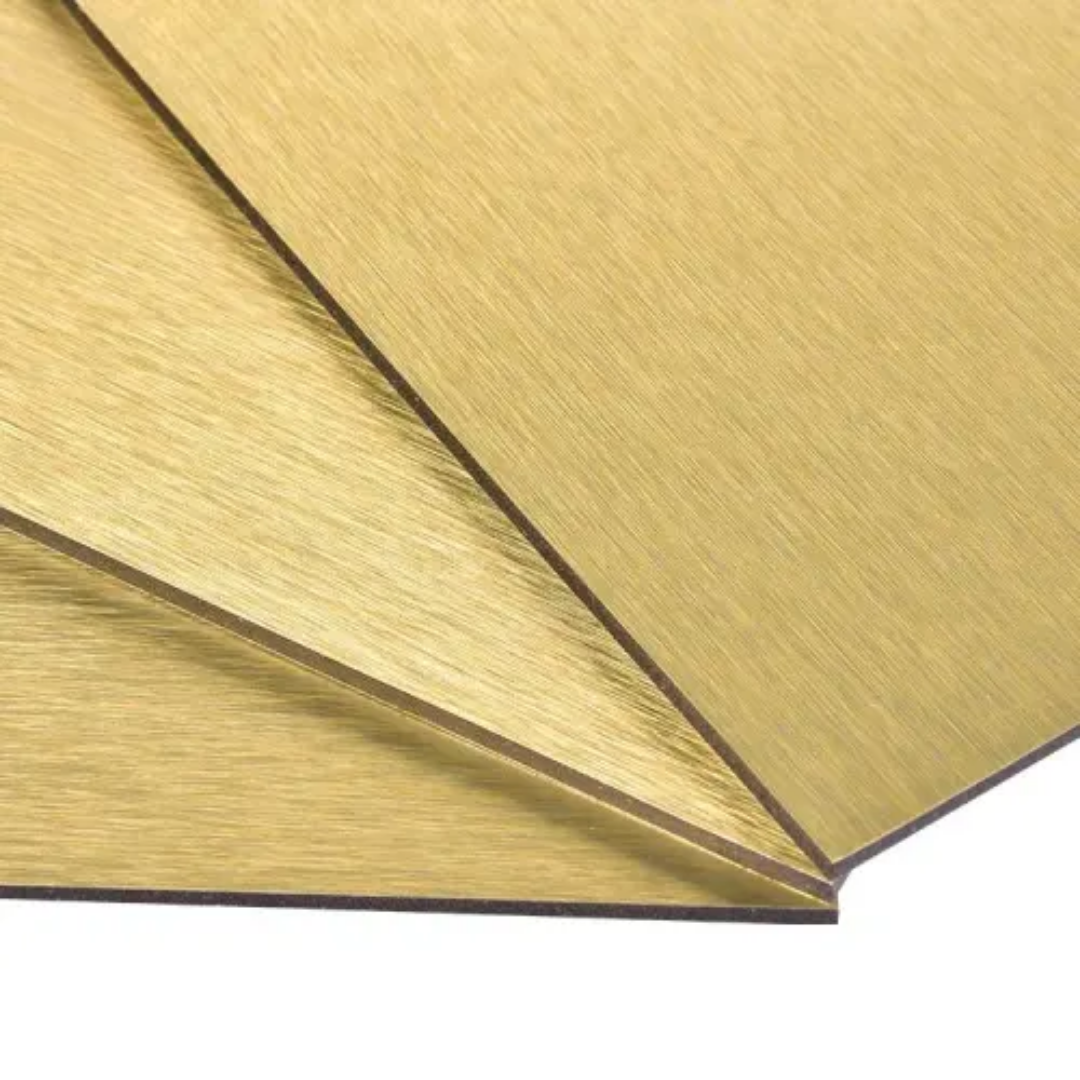
The global construction industry is at a pivotal moment, tasked with reducing its substantial environmental footprint. In this critical shift towards sustainability, every building material is being re-evaluated. Aluminum Composite Panels (ACP), long valued for their versatility and aesthetics, are now undergoing a profound green transformation. This article explores how modern eco-friendly ACP, through advanced recyclable materials and alignment with major green building certifications, is becoming a responsible choice for architects and developers committed to sustainable design.
1. Deconstructing Eco-Friendly ACP: The Anatomy of a Sustainable Panel
True sustainability in ACP is not a single feature but a holistic approach encompassing every stage of its lifecycle—from raw material sourcing to end-of-life recovery.
The Core of Green Innovation:
The core material is a primary differentiator. Beyond standard fire-retardant (FR) cores, the market is advancing towards:
High Mineral Content Cores (A2 Grade): These cores are not only non-combustible for superior fire safety but are also made from stable, inert mineral compounds, aligning with material health criteria in certifications like LEED and the Living Building Challenge.
Bio-Based & Recycled Polymer Blends: Cutting-edge research focuses on cores derived from renewable resources or containing high percentages of post-consumer recycled plastics, reducing reliance on virgin fossil fuels.
The Future of Circular Cores: Innovations like Reversibly Cross-linked Polymers (RCPs) are emerging. These are designed for chemical recyclability, meaning the core material can be broken down at the molecular level and repolymerized into new, high-quality material, achieving a true closed loop.
The Aluminum Skins: A Circular Economy Champion:
Aluminum is the superstar of circularity. Eco-friendly ACP prioritizes skins made with a high percentage of post-industrial recycled (PIR) aluminum, significantly reducing the energy-intensive mining of bauxite. The production of recycled aluminum uses up to 95% less energy than primary production. Crucially, at the end of its long service life, the aluminum from ACP is 100% recyclable without degradation of quality, perpetually cycling through the economy.
Coatings and Adhesives:
Sustainability extends to chemistry. Leading manufacturers are opting for low-VOC (Volatile Organic Compound) adhesives and PVDF or nano-ceramic coatings that are durable, free of heavy metals, and contribute to long service life, reducing the need for replacement.
2. The Lifecycle Journey: From Cradle to New Cradle
Understanding the environmental impact of ACP requires a lifecycle perspective:
1. Raw Material & Manufacturing: Sustainable sourcing and energy-efficient production are key. Factories powered by renewable energy and utilizing closed-loop water systems minimize the initial carbon footprint.
2. Construction & Service Life: The lightweight nature of ACP reduces transportation emissions. As part of a high-performance rainscreen system, it contributes to building energy efficiency for decades.
3. End-of-Life & Recycling: This is the critical phase. A structured deconstruction process allows for the clean separation of aluminum skins from the core. The aluminum is readily recycled. The future lies in developing efficient recycling streams for the core material, with RCP technology offering a promising path to handle this component sustainably.
3. Navigating the Green Certification Landscape
Specifying eco-friendly ACP directly contributes to earning points under major global green building rating systems, a necessity for modern projects.
Green Certification System | How Eco-Friendly ACP Contributes | Key Relevant Categories |
LEED (Leadership in Energy & Environmental Design) | MR Credit: Building Product Disclosure & Optimization (EPDs, Recycled Content, Material Ingredients).<br>- EQ Credit: Low-Emitting Materials (Low-VOC adhesives).<br>- EA Credit: Optimize Energy Performance (via thermal cladding systems). | Materials & Resources, Indoor Environmental Quality, Energy & Atmosphere |
BREEAM (Building Research Establishment Environmental Assessment Method) | MAT 01: Life Cycle Impacts (Use of products with verified EPDs).<br>- MAT 03: Responsible Sourcing (Recycled content, supply chain transparency).<br>- WST 01: Construction Waste (Design for disassembly and recycling). | Materials, Waste |
WELL Building Standard | X08: Material Transparency** (Disclosure of ingredients).<br>- **A08: Healthy Materials** (Avoidance of hazardous substances). | Mind, Materials |
Living Building Challenge (LBC) Red List | Imperative 10: Red List** – ACP must not contain any of the banned hazardous chemicals.<br>- **Imperative 11: Embodied Carbon Footprint** – Requires disclosure and reduction of carbon impact. | Materials, Equity |
The Critical Role of Documentation: To claim these points, verified documentation is non-negotiable. This includes:
Environmental Product Declarations (EPDs): Independently verified reports that quantify the environmental impact (e.g., Global Warming Potential) across the product's lifecycle.
Health Product Declarations (HPDs): Full disclosure of material ingredients and their associated health hazards.
Recycled Content Certificates: Proof from suppliers verifying the percentage of post-consumer and post-industrial recycled material.
4. Best Practices for Specifying and Using Eco-Friendly ACP
1. Demand Transparency: Start by requesting EPDs, HPDs, and recycled content certificates from manufacturers. Prioritize those with third-party verified data.
2. Plan for Deconstruction: Work with façade consultants and contractors to design for disassembly. Use mechanical fasteners where possible and create a Building Facade Log that details the material types and recycling pathways for future deconstruction.
3. Consider Total Lifecycle Cost: While the upfront cost of premium eco-friendly ACP may be higher, factor in the long-term value: potential certification benefits, reduced risk from regulatory changes (like bans on non-recyclable materials), and future savings from recyclability.
4. Engage the Supply Chain: Partner with manufacturers and installers who share a commitment to sustainability and can provide take-back or recycling programs at the end of the panel's life.
Conclusion: Building a Verifiably Greener Future
Eco-friendly ACP represents a significant stride towards reconciling high-performance architecture with planetary responsibility. It moves beyond superficial claims to offer verifiable, certifiable sustainability through recycled materials, innovative core technologies, and full lifecycle accountability. For the architect, specifier, or developer, the choice is clear: by demanding transparency, prioritizing circular design principles, and leveraging ACP products that contribute to green building goals, we can construct a built environment that is not only visually compelling but also fundamentally regenerative. The future of building facades is green, and it is increasingly paneled in responsibly sourced, designed-for-recycle aluminum.






