Welcome to Vbond
Eco-Friendly Aluminum Composite Panels: Sustainable Materials in Modern Construction
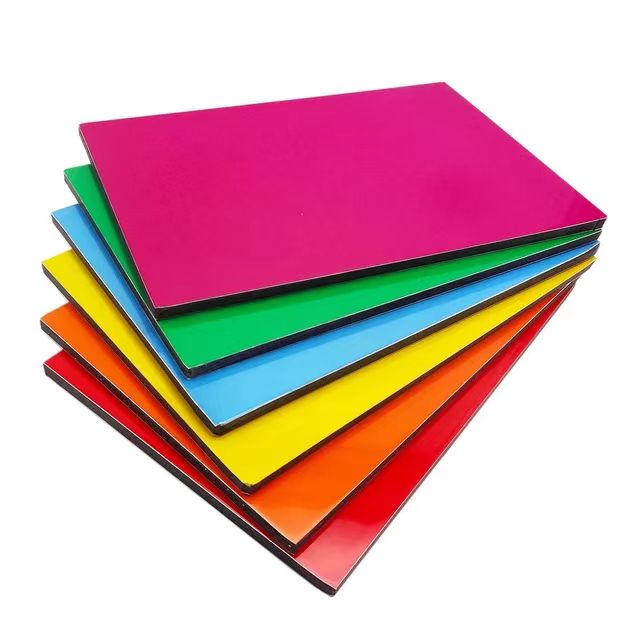
Introduction: The Green Revolution in Building Materials
As global construction practices shift toward sustainability, Aluminum Composite Panels (ACP) are evolving to meet eco-conscious demands. Modern ACP systems now represent not just aesthetic and functional solutions but environmentally responsible choices for architects, builders, and developers. This article examines the sustainable credentials of contemporary ACP products and their role in green construction.
1. Sustainable Material Composition
Recycled Aluminum Content
Leading ACP manufacturers now incorporate **post-consumer and post-industrial recycled aluminum in their outer sheets, with some products containing 50-85% recycled content. This significantly reduces the embodied energy of the panels compared to virgin aluminum production, which requires approximately 95% more energy.
Innovative Core Materials
Beyond traditional polyethylene cores, sustainable alternatives include:
- Mineral-filled cores with high recycled content
- Fire-retardant cores free from halogens and heavy metals
- Bio-based polymer developments emerging in the market
2. Energy Efficiency and Building Performance
Thermal Insulation Properties
When integrated into properly designed façade systems, ACP contributes to:
- Improved thermal bridging reduction
- Enhanced building envelope performance
- Lower HVAC energy demands throughout the building lifecycle
Reflective Surface Technology
Advanced coating technologies incorporate high solar reflectance indices (SRI), reducing urban heat island effect and cooling loads in buildings.
3. Lifecycle Assessment and Longevity
Extended Service Life
Quality ACP systems offer:
- 25-30 year service life with proper installation and maintenance
- Exceptional weatherability reduces replacement frequency
- Color stability minimizing need for refinishing or replacement
End-of-Life Recyclability
Modern ACP systems are designed for disassembly and material recovery:
- Aluminum skins are 100% recyclable without quality degradation
- Separation technologies are improving for core material recovery
- Take-back programs are emerging from progressive manufacturers
4. Manufacturing Innovations Reducing Environmental Impact
Clean Production Processes
Leading manufacturers implement:
- Closed-loop water systems in coating processes
- Powder coating options with near-zero VOC emissions
- Renewable energy integration in production facilities
- Waste minimization through precise manufacturing techniques
Low-Emission Transportation
The lightweight nature of ACP (approximately one-third the weight of solid aluminum panels) reduces:
- Transportation fuel consumption
- Carbon emissions per square meter delivered
- On-site handling energy requirements
5. Green Building Certifications and Compliance
Contribution to Certification Points
Properly specified ACP can contribute to:
- LEED credits in Materials & Resources, Energy Performance
- BREEAM material efficiency categories
- Green Star and other regional certification systems
Environmental Product Declarations (EPDs)
Progressive manufacturers provide:
- Third-party verified EPDs following ISO 14025 standards
- Life Cycle Assessment (LCA) data for informed specification
- Health Product Declarations (HPDs) for material transparency
6. Best Practices for Sustainable ACP Specification
Selection Criteria for Eco-Friendly ACP
1. Verify recycled content through manufacturer documentation
2. Request EPDs and LCA data for comparative analysis
3. Prefer locally sourced materials to reduce transportation impacts
4. Evaluate full system compatibility with building reuse/recycling plans
Installation Considerations for Sustainability
- Design for disassembly using mechanical fastening systems
- Implement waste management plans for cutting and fabrication
- Optimize panel sizes to minimize off-cuts and material waste
7. The Future of Sustainable ACP Development
Emerging Innovations
- Graphene-enhanced coatings for improved durability and thermal properties
- Self-cleaning photocatalytic surfaces reduce maintenance resources
-Integrated photovoltaic technologies transforming facades into energy generators
- Advanced recycling technologies enabling true cradle-to-cradle cycles
Conclusion: Balancing Performance and Responsibility
Eco-friendly Aluminum Composite Panels represent a significant advancement in sustainable construction materials. By combining long-term durability, energy efficiency, and improved recyclability, modern ACP systems address the core requirements of green building while maintaining the aesthetic and functional benefits that have made them popular worldwide.
For architects and specifiers, the key lies in thorough due diligence—selecting products with verified environmental credentials, ensuring proper installation for maximum lifespan, and planning for eventual material recovery. When chosen and implemented responsibly, ACP can be a genuinely sustainable choice for contemporary construction.






