Welcome to Vbond
Eliminating the "Orange Peel" Effect: How Top Wholesalers Ensure Zero Bubbling in ACP on Site
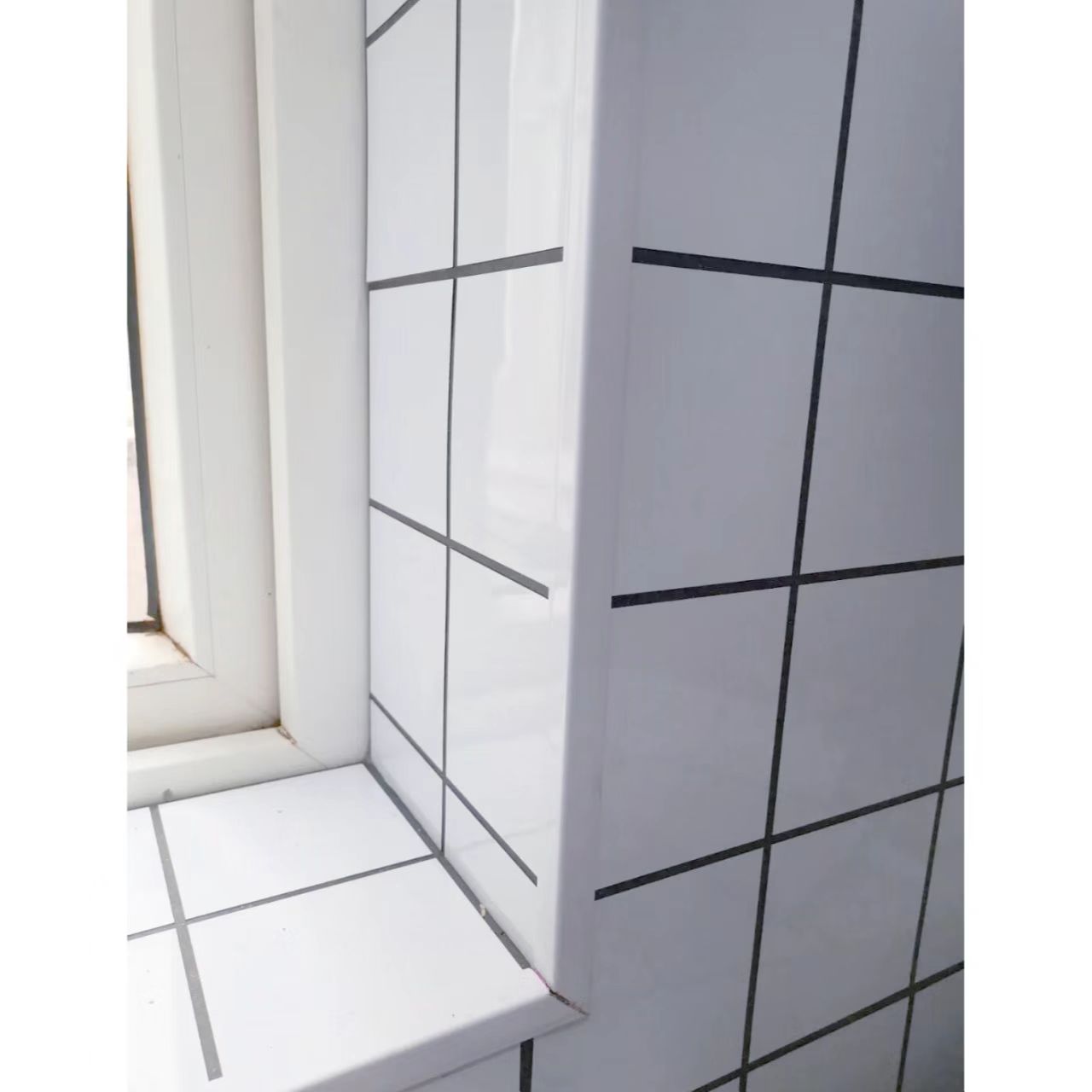
Nothing ruins the impact of a modern aluminum composite panel (ACP) facade faster than an uneven, dimpled surface that resembles the skin of an orange. For procurement professionals, this "orange peel" effect—or its more severe cousin, bubbling and waviness—represents a direct hit to brand image, project quality, and long-term asset value. It signals poor workmanship and material failure.
The good news is that zero bubbling on site is not a myth. Top-tier wholesalers and suppliers achieve this consistently by controlling the process from the factory floor to the final fastener. They understand that the orange peel effect is not a random defect but a predictable failure caused by specific variables in coating application and installation.
This guide reveals the technical secrets used by industry leaders to deliver flawless, mirror-smooth ACP facades and provides procurement professionals with a checklist to verify these standards before signing a contract.
1. The Root Cause: Why "Orange Peel" Happens
To eliminate the defect, you must first understand its origins. The orange peel effect manifests as an uneven, bumpy texture on the panel surface. It is primarily a coating application issue, not a material degradation issue (though the latter can occur over time).
In the painting industry, orange peel occurs when atomized paint particles fail to level out and flow together before drying. Instead of forming a smooth film, the particles stack up like a pile of oranges.
The Three Primary Culprits
1. Improper Paint Viscosity (Too Thick)
If the coating viscosity is too high during application, the spray droplets are too large. They do not have time to spread out before the solvent flashes off, resulting in a coarse, dimpled surface.
2. Incorrect Spray Gun Settings (Low Atomization)
High-quality PVDF or polyester coatings require specific air pressure and fluid flow rates. If the atomization air is too low, the paint breaks up into large, uneven droplets.
3. Substrate Porosity Issues
If the underlying aluminum surface is not perfectly uniform, the paint may absorb unevenly. As the binder in the paint soaks into porous areas, the pigment remains on the surface, creating a mottled, grainy look.
2. The Supplier's Secret: Mastering the Coating Line
Top wholesalers don't just buy panels; they partner with manufacturers who run high-precision coil coating lines. The difference between a standard panel and a premium, bubble-free panel is in the coating parameters.
Here is what leading suppliers enforce at the factory level:
- Rheology Control (Viscosity Management): Premium suppliers use automated viscosity meters to ensure the coating remains within a strict centipoise (cP) range. If the paint is too thick, they reject the batch.
- Temperature & Humidity Compensation: Coating lines operate in controlled booths. They adjust thinner ratios in real-time based on ambient humidity; high humidity increases viscosity and requires specific additive ratios to prevent orange peel.
- High-Pressure Atomization: To eliminate orange peel, manufacturers increase the compressed air pressure (Atomizing Pressure) while balancing the fluid pressure. This breaks the paint into a microscopic "mist" that levels perfectly on the aluminum surface.
Procurement Question: Ask your supplier: "What is your standard air pressure setting for your PVDF coating line, and how do you adjust for humidity?"
3. The Mechanical Enemy: Preventing the "Oil Can" Wave
It is critical to distinguish between coating orange peel (tiny bumps) and mechanical oil canning (large, soft waves). While the former is a paint defect, the latter is a stress defect that mimics bubbling from a distance. Top wholesalers prevent both.
Oil canning occurs when the panel is forced to expand or contract but cannot move. Because aluminum has a linear expansion rate of 2.4mm per meter for every 100°C temperature change, restricted movement causes the metal to buckle.
Top suppliers prevent this by:
- Specifying Stiffer Cores: Mineral-filled (A2) cores resist buckling better than standard polyethylene (PE) cores.
- Mandating Floating Joints: They provide detailed subframe drawings that require slotted holes at fastener points, never fixed/pinned connections.
- Enforcing Expansion Gaps: They design joint layouts that physically separate panels into grids small enough to absorb thermal movement without distorting.
4. The Installation Audit: Ensuring Zero Defects On-Site
A perfect panel can still bubble if installed incorrectly. Top wholesalers protect their reputation by auditing the installation process.
The "Hidden" Issues Wholesalers Check For
- Protective Film Removal: If the protective PE film is left on the panel for months under the sun, the adhesive bakes onto the surface. When finally removed, it leaves a sticky residue that traps dust and creates a "bubbled" appearance. The industry standard is to remove the protective film immediately after installation.
- Substrate Flatness: The substrate must be perfectly flat. Even a 2mm deviation in the sub-frame will telegraph through a 4mm ACP as a visible wave or bubble.
- Sealant Compatibility: Using acetoxy-cure silicones (which smell like vinegar) is strictly prohibited. The acetic acid corrodes the aluminum surface, causing the paint to lift and blister. Only neutral-cure silicone is allowed.
5. Procurement Checklist: Guaranteeing a Smooth Facade
To ensure your project results in zero orange peel or bubbling, incorporate these specifications into your supply contract:
- Factory Audit Clause: Reserve the right to inspect the coating line's viscosity logs and atomization pressure settings before production.
- Flatness Warranty: Require a written guarantee that the ACPs will exhibit no visible oil canning or orange peel under normal viewing conditions (3-5 meters distance) for 10 years.
- Sealant Specification: Explicitly ban acetoxy-cure silicones on site; mandate the use of Dow 795 or equivalent neutral-cure sealant.
- Sub-Frame Approval: Require the installer to submit a thermal expansion calculation for the specific building elevation, proving the joint spacing prevents buckling.
Conclusion
Eliminating the orange peel effect and on-site bubbling requires a holistic approach that begins in the factory's paint booth and ends with the last fastener on the scaffolding. Top wholesalers succeed because they control coating viscosity and atomization to eliminate micro-defects, while enforcing strict installation standards for expansion and substrate flatness to prevent macro-distortion.
For procurement professionals, the message is clear: demand transparency in coating specifications and enforce thermal movement engineering. When these variables are controlled, the only thing left on your ACP facade will be a perfect, mirror-like reflection.






