Welcome to Vbond
Equipment Aging and Operator Error: The Two Silent Killers of Alucobond Folding.
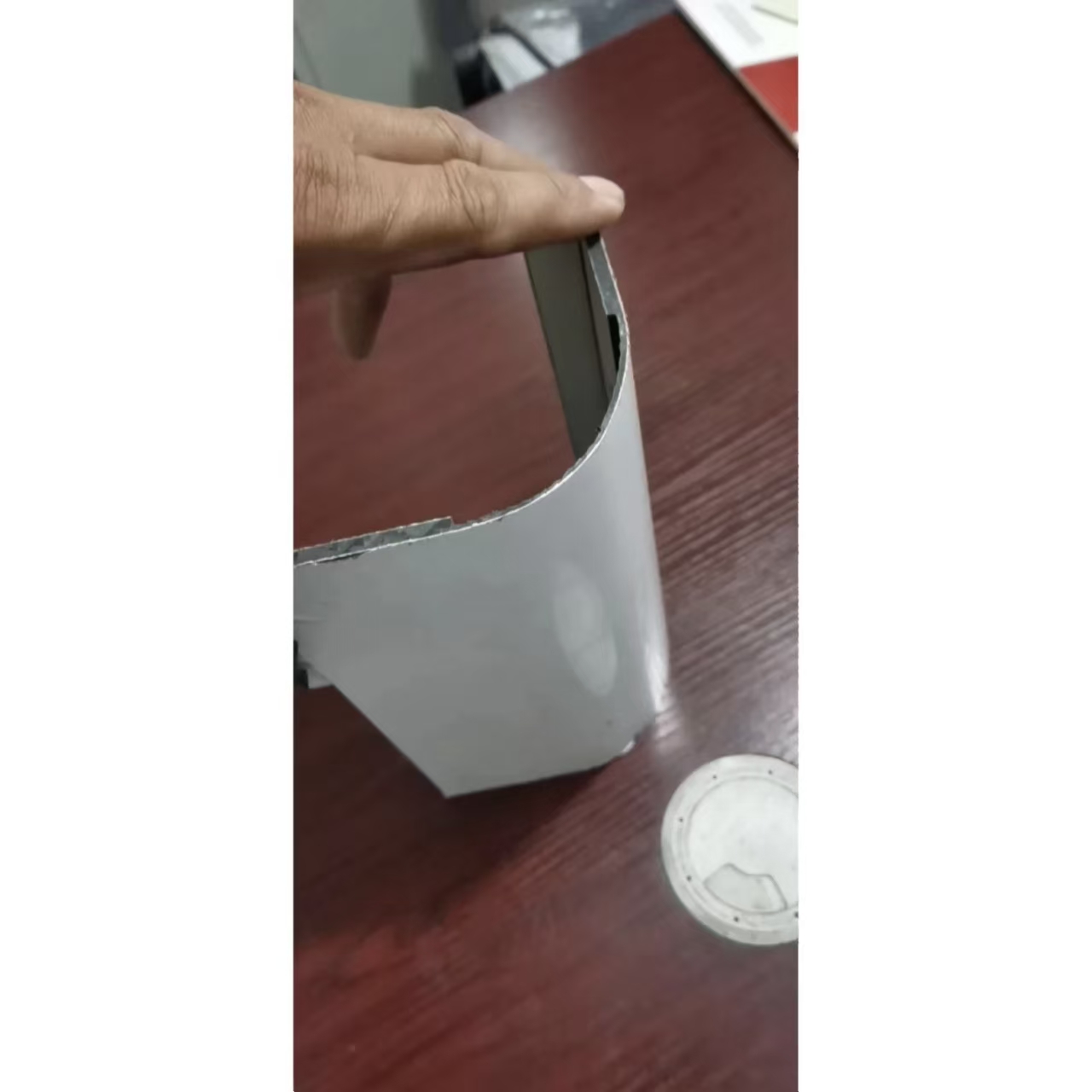
Equipment Aging and Operator Error: The Two Silent Killers of Alucobond Folding.
You spec the right panels. You verify the alloy and temper. You confirm the bend radius meets requirements.
The panels still crack.
Frustrating. Costly. Preventable.
The problem often is not the material. It is the process. Two silent killers destroy Alucobond folds: aging equipment and operator error.
This guide explains both. You will learn how worn machines and untrained operators destroy panels. You will understand what to look for in your fabrication shop. And you will know exactly what to demand from your suppliers.
The Two Silent Killers
Equipment aging and operator error are invisible. They do not appear on material certificates. They do not show up in mill reports.
But they cause more panel failures than material defects.
Silent Killer | What It Does | How to Detect |
Aging equipment | Produces inconsistent grooves, uneven depths, poor folds | Calibration records, tool inspection |
Operator error | Incorrect depth settings, wrong tools, poor technique | Training records, process documentation |
Silent Killer 1: Aging Equipment
Equipment wears over time. CNC routers lose calibration. Press brakes lose precision. Cutting tools dull.
The result: Inconsistent groove depth. Uneven residual thickness. Random cracking patterns.
1. Worn Router Spindle
The router spindle holds the cutting bit. Over time, the spindle develops play. The bit wobbles. It cuts deeper in some spots. It cuts shallower in others.
The result: Residual thickness varies across the panel. Some spots have 0.3mm. Others have 0.1mm. Those thin spots crack.
What to check: Spindle runout. This is the amount the spindle wobbles. Runout should be below 0.02mm. Higher runout means inconsistent cuts.
2. Dull Cutting Tools
Cutting tools dull with use. A sharp bit cuts cleanly. A dull bit generates heat and friction. The heat softens the plastic core. The bit cuts deeper than intended.
The result: Over-grooving. The residual thickness drops below 0.3mm. The panels crack.
What to check: Tool replacement schedule. Fabricators should replace bits after a set number of cuts. Typically 50 to 100 panels per bit, depending on material.
3. Uncalibrated CNC Machine
CNC routers require regular calibration. The Z-axis controls depth. If calibration drifts, the groove depth changes.
The result: Batch-to-batch variation. The first panel folds cleanly. The hundredth panel cracks.
What to check: Calibration records. The fabricator should calibrate the machine weekly or before each production run.
4. Uneven Sacrificial Board
The sacrificial board sits beneath the panel during routing. It gets cut over time. It develops grooves and voids.
The result: The panel flexes during routing. The cutter goes deeper in some areas. Residual thickness varies.
What to check: Sacrificial board condition. It should be resurfaced after every few hundred panels. Replace it when the surface becomes uneven.
5. Worn Press Brake Tooling
Press brake dies wear over time. The radius on the die increases. The metal does not form cleanly.
The result: Inconsistent bend angles. Some folds are tight. Others are loose. The tight ones crack.
What to check: Die condition. Inspect the radius for wear. Replace dies when the radius changes.
Silent Killer 2: Operator Error
Equipment is only as good as the person running it. Operators make mistakes. Some are small. Others destroy panels.
1. Incorrect Depth Setting
The operator sets the groove depth incorrectly. Too deep and the panel over-grooves. Too shallow and the panel will not fold.
The result: Cracking or poor folds. Both lead to rejected panels.
What to check: Depth setting verification. The operator should verify the depth on a test piece before running production.
2. Wrong Tool Selection
Using the wrong router bit is a common error. A bit meant for a 90-degree fold on a 120-degree fold. A bit meant for one panel thickness on another.
The result: Incorrect groove shape. The panel cracks or does not fit the design.
What to check: Tool selection checklist. Operators should verify the bit matches the panel thickness and fold angle.
3. Rushing the Process
Time pressure forces shortcuts. Operators skip test folds. They ignore calibration. They use dull bits longer than recommended.
The result: Quality drops. Panels crack. Rework costs increase.
What to check: Production schedule. Are operators rushing? Do they have time to do quality checks?
4. Inconsistent Technique
Manual routing relies on operator skill. Hand pressure varies. Speed varies. The bit cuts differently with each pass.
The result: Inconsistent grooves. Some panels fold cleanly. Others crack.
What to check: Use CNC routing for production. It eliminates manual variability.
5. Ignoring Warning Signs
Operators see warning signs. A panel folds slightly differently. The groove looks a little different. They keep going.
The result: A bad batch of panels. The problem compounds. More panels fail.
What to check: Stop-work authority. Operators must feel empowered to stop production when they see problems.
The Hidden Cost of Silent Killers
Cost Type | Impact | Dollar Impact |
Scrap panels | Material waste | 10-20% of panel cost |
Rework | Time and labor | 2x the original labor cost |
Installation delays | Project timeline slips | 3-5 days per incident |
Replacement panels | New panels, shipping, expediting | 2x material cost |
Reputation damage | Lost future business | Incalculable |
The numbers add up. A small mistake on the shop floor becomes a high cost on the balance sheet.
What to Look For in a Fabricator
Procurement professionals should audit fabrication shops for these signs.
Item | What to Check | Red Flag |
Calibration records | Weekly calibration logs | No records available |
Tool replacement schedule | Regular bit changes | Bits used past recommended life |
Sacrificial board condition | Flat, level surface | Visible grooves or voids |
Operator training | Formal training program | No training documentation |
Depth verification | Test pieces before each run | No test fold process |
Stop-work authority | Operators can halt production | No empowerment to stop |
What to Ask Your Fabricator
Procurement professionals should ask these specific questions.
1. What is your equipment maintenance schedule?
They should have a documented schedule. Weekly calibration. Regular tool changes. Board resurfacing.
2. How do you train your operators?
Formal training is essential. Experience alone is not enough. Processes change. Equipment changes.
3. How do you verify groove depth before production?
They should run a test piece every time. They should measure residual thickness before starting production.
4. What happens when a panel cracks?
They should have a process. Document the failure. Investigate the cause. Correct the issue.
The Audit Checklist
When visiting a fabrication shop, look for these signs.
Sign | What to Look For | Meaning |
Clean work area | Organized, well-lit, clean | Professional operation |
Calibration stickers | Up-to-date on equipment | Regular maintenance |
Tool storage | Organized, labeled bits | Attention to detail |
Test piece station | Dedicated area for test folds | Commitment to quality |
Documentation | Logs, records, checklists | Process control |
What to Do If You Find Problems
Reject the panels. Do not accept "we will adjust on site."
Equipment aging and operator error cause permanent damage. The panels are compromised. They will fail over time.
Demand replacement panels from the same production batch. Require the fabricator to correct the process before the replacement run.
Final Word for Buyers
Equipment aging and operator error are silent killers. They destroy panels in ways you cannot see. They create failures that appear months later.
As the buyer, you control the quality standard. Audit your fabricators. Verify their equipment and training. Require documentation.
A panel folded on maintained equipment by trained operators performs as designed. A panel folded on aging equipment by untrained operators fails—and you pay for it twice.
Do not let silent killers destroy your investment.






