Welcome to Vbond
European ACP vs. Asian ACP: Is There a Quality Difference?
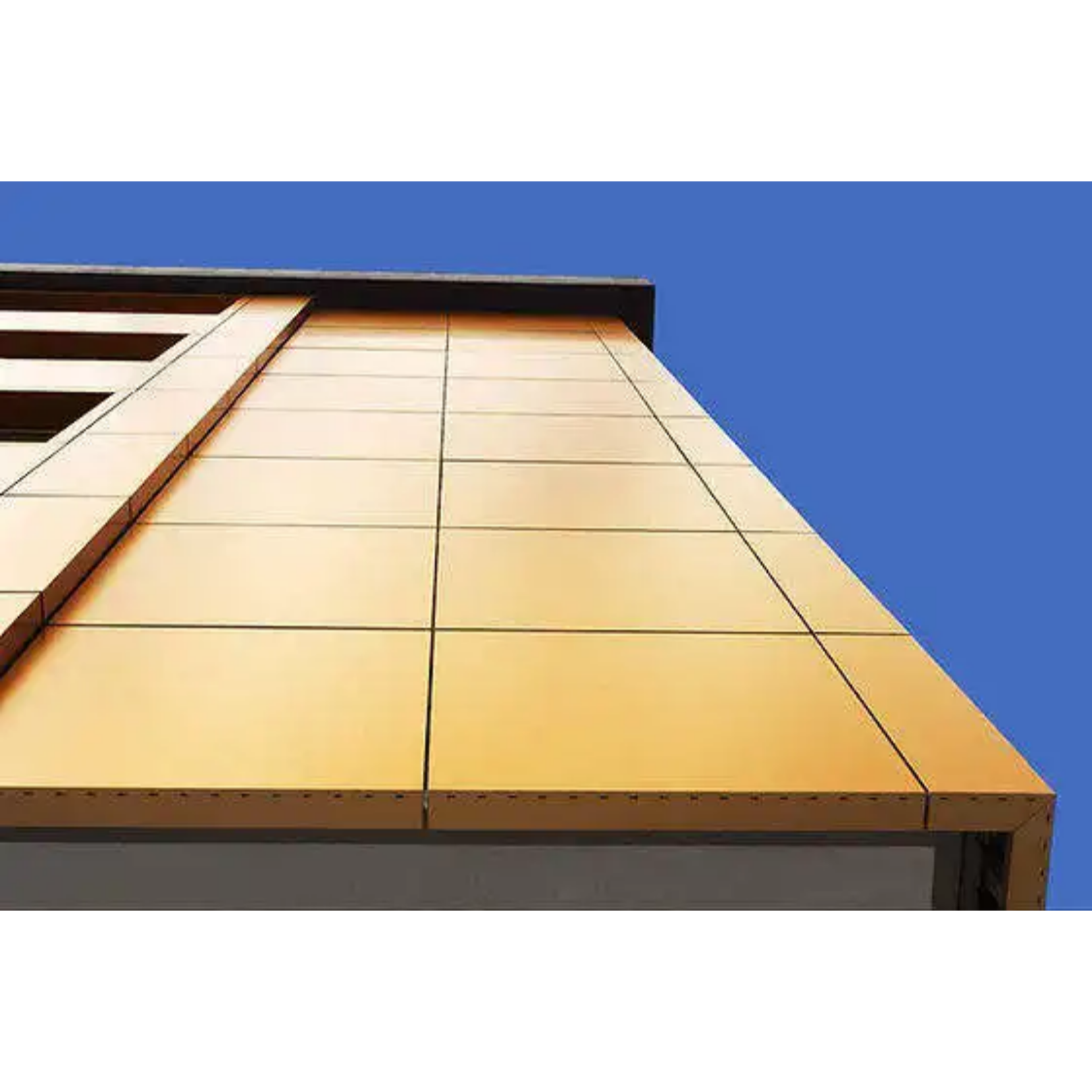
Aluminum Composite Panels (ACP) are a global building material, but not all panels are created equal. A persistent question in architecture and construction circles revolves around regional quality differences: Do European-made ACP panels genuinely outperform their Asian counterparts, or is this a costly misconception?
This definitive guide cuts through the noise, providing a fact-based, technical comparison to help specifiers, architects, and project managers make informed decisions based on performance standards, core materials, and total project value—not just origin stereotypes.
1. Understanding the Manufacturing Landscape
The global ACP market is led by producers in two key regions:
European ACP: Often associated with high-end brands from Germany, the UK, and Western Europe. The manufacturing ethos typically emphasizes strict quality control, advanced R&D, and rigorous certification.
Asian ACP: Dominated by large-scale producers in China, India, and the Middle East. This region is characterized by vast production capacity, cost efficiency, and a wide spectrum of quality, from budget-grade to premium products that compete globally.
Key Insight: The "Asian ACP" label is overly broad. Quality varies tremendously between a generic panel and a top-tier Asian manufacturer with international certifications and a dedicated export focus.
2. Core Differentiators: A Technical Breakdown
The real quality differences lie in the specifications and material science, not the geography on the label.
Factor | European ACP (Typical Premium Tier) | Asian ACP (Spectrum: Budget to Premium) |
Aluminum Skins | Often use a higher purity alloy (e.g., 5005 series) with consistent thickness tolerances. Greater emphasis on mill-finish quality before coating. | Common use of 3003/3005 series alloys. Thickness consistency can vary. Premium producers match European skin quality. |
Core Material | Universally fire-retardant mineral cores (≥90% mineral filler) are standard, driven by stringent EU reaction-to-fire regulations (A2-s1, d0). | Wider variety: Polyethylene (PE) cores dominate the budget market. Fire-resistant (FR) mineral cores are available from quality manufacturers but are often an upgrade. |
Coatings (Most Critical) | Typically feature premium PVDF (Kynar 500®/Hylar 5000®) resin-based coatings at high percentages (70%+). Exceptional color fastness, chalk resistance, and gloss retention over 20-30 years. | Budget panels may use cheaper PE or PVDF-blended coatings. Premium Asian panels use identical, licensed PVDF resins from the same chemical companies (Arkema, Solvay) as European brands. |
Certifications & Standards | Designed to meet the most demanding international standards: EU CPR (A2-s1, d0), US NFPA 285, UK BS 8414. Full traceability and third-party testing are normative. | Premium manufacturers invest in these same certifications for export. Budget panels may only meet basic local or ISO standards, lacking critical fire performance certifications. |
Color Consistency & Technology | Investment in advanced **coating lines and color-matching technology ensures batch-to-batch consistency, crucial for large facades. | Can be a challenge for smaller factories. Leading Asian manufacturers have comparable technology and stringent QC for color consistency. |
3. The Fire Safety Imperative: The Most Critical Divide
This is the single most significant area of potential disparity.
Europe: Reaction-to-fire standards (Euroclass A2-s1, d0) are non-negotiable for most commercial applications. This mandates the use of non-combustible or very limited combustibility mineral cores.
Asia & Global Market: The standard polyethylene (PE) core is highly combustible. While fire-resistant (FR) cores exist, the specific performance (e.g., achieving A2 vs. a lower B rating) must be verified via test reports, not assumed.
Essential Specifier Question: "Can you provide independent third-party test certificates for the exact panel system (skin, core, coating) to the required fire class (e.g., EN 13501-1, NFPA 285) for my project?"
4. Cost Analysis: Price vs. Total Cost of Ownership
Initial Price: Asian ACP, especially PE-cored, typically wins on initial purchase price. This is the primary driver for its market share.
Total Value & Risk: European and premium Asian ACP with certified mineral cores offer lower lifecycle risk. Consider:
Longevity: Superior coatings last for decades without fading.
Safety Compliance: Eliminates liability risk from non-compliant materials.
Warranty: European brands often back products with robust, long-term performance warranties.
Project Success: Guaranteed color consistency and performance prevent costly remedial work.
5. How to Specify Wisely: Look Beyond Geography
Forget "European vs. Asian." Shift your criteria to "Certified vs. Uncertified" and "Performance-Based vs. Price-Driven."
1. Demand Project-Specific Certificates: For fire, structural, and coating performance.
2. Audit the Factory: Can the supplier provide evidence of modern production lines, quality control processes, and R&D investment?
3. Check the Chemical Spec: Insist on knowing the coating resin type (e.g., Kynar 500®) and percentage, and the core composition.
4. Evaluate the Partner: Does the supplier offer technical support, samples, and a reliable supply chain?
Conclusion: Quality is Defined by Specification, Not Just Origin
Yes, a quality difference often exists, but it is not purely geographical. There is a difference between products engineered to the highest international performance certifications and those that are not.
Choose Premium European or Asian ACP when: Your project demands guaranteed fire safety (A2-s1, d0), decades of color stability, full traceability, and minimized lifetime risk. The investment is justified for high-rise buildings, hospitals, airports, and iconic architecture.
A competitive Asian ACP may be suitable for: Short-term applications, budget-conscious projects where fire codes allow PE cores (e.g., some interior/signage uses), or when sourcing from a verified, top-tier Asian manufacturer with full project-specific certifications.
Final Verdict: The most cost-effective panel is the one that meets all performance, safety, and aesthetic requirements for the lifecycle of the building without failure. Specifying based on transparent, certified technical data—rather than origin alone—is the only way to ensure true quality and value.






