Welcome to Vbond
Field Fix for Minor Edge Cracks in Aluminum Composite Panel: Epoxy Fillers vs. Aluminum Welding
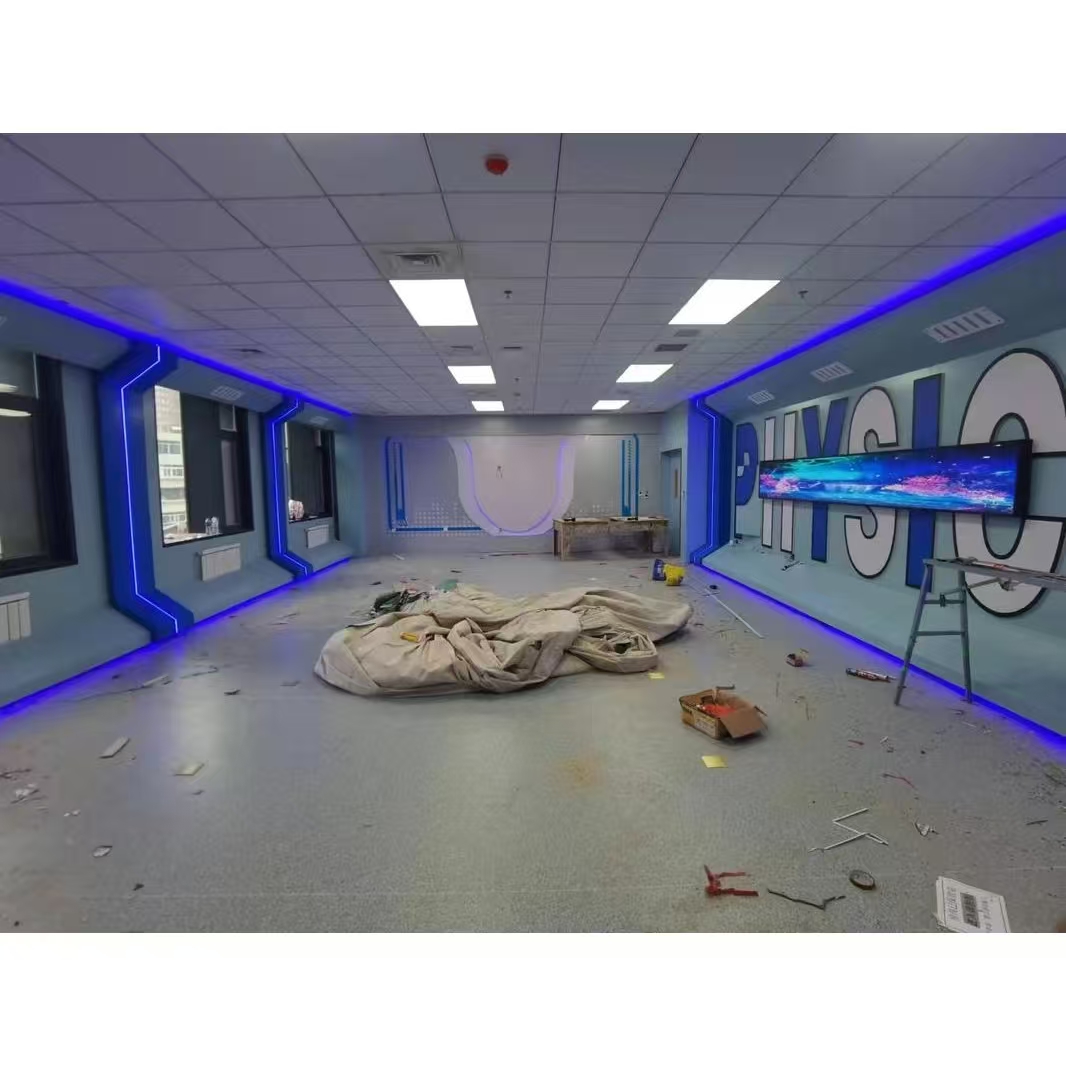
Minor edge cracks in Aluminum Composite Panels (ACP) represent a critical repair juncture. Left unaddressed, a superficial 1mm crack at the panel’s periphery can wick moisture into the polyethylene (PE) core, leading to widespread delamination or "honeycomb" corrosion within months . However, due to ACP's unique sandwich construction—two thin aluminum skins bonded to a plastic core—aggressive repairs often cause more harm than good.
This guide compares the two primary field repair strategies for edge cracks: Epoxy Fillers (cold repair) vs. Aluminum Welding (fusion repair), providing technical insights for procurement professionals to determine the right fix.
1. The Physics of the Failure: Why ACP is Hard to Repair
Before choosing a method, one must understand why ACP cannot be treated like solid sheet of metal.
- The Core Problem: ACP consists of a thermoplastic core (PE or FR) sandwiched between aluminum facings. High heat melts the core.
- Edge Vulnerability: Once the protective sealant fails or the edge is physically cracked, moisture has a direct capillary path to the core. Repairing the crack without sealing this pathway merely hides the symptom, not the disease.
2. Aluminum Welding (The Industrial Standard)
Welding is the preferred method for structural base metals or thick aluminum plates. However, for ACP, it is a high-risk, specialized operation typically reserved for aerospace or heavy industrial settings (e.g., military aircraft skins) where structural continuity is non-negotiable.
The Process (TIG/Heliarc)
- Preparation: The crack must be stop-drilled to prevent propagation, and the area must be ground down to bare metal using a stainless steel brush (avoid contamination).
- Execution: Tungsten Inert Gas (TIG) welding uses a non-consumable tungsten electrode. Filler rods like ER4043 (Aluminum-Silicon) are selected for their flow characteristics and crack resistance.
Pros and Cons for ACP
Aspect | Evaluation |
Bond Strength | Excellent. Provides a true metallurgical bond. Shear strengths can reach high levels (reference: 47.8 MPa in comparable aerospace applications). |
Heat Impact | High Risk. The intense localized heat (over 600°C) will instantly melt the polyethylene core, causing delamination and bubbling around the weld zone. |
Practicality | Impractical. Requires skilled welders, expensive equipment, and often results in the destruction of the panel's flatness. |
Verdict: Not recommended for field fixes of architectural ACP. Unless the panel is a structural aluminum honeycomb (not PE core) and the environment is a controlled aerospace shop, welding is too aggressive.
3. Epoxy and Paste Fillers (The Field Standard)
For 99% of field repairs on PE-core ACP, Epoxy-based edge fillers are the superior solution. These products are designed to cold-bond to aluminum, fill voids, and—critically—seal the exposed core against moisture.
Why Epoxy Wins
Unlike welding, epoxy requires no heat. It provides a waterproof seal that prevents future corrosion, and high-grade structural epoxies offer mechanical strength sufficient for facade wind loads without risking core melt.
Recommended Material Classes
1. High-Strength Structural Epoxies (Metallic Fill)
These are two-component, high-modulus formulas designed specifically for metal repair. They offer "shrinkage-free hardening" and excellent adhesion to aluminum. For minor edge cracks where cosmetics are less critical, these provide a permanent seal.
- Best For: Non-visible structural edges, load-bearing repairs, high-stress areas.
- Application: Requires a clean, dry substrate. Ideal for vertical/overhead repairs as they are non-sag.
2. Specialty Edge Filling Pastes (For Honeycomb/Sandwich)
This is the gold standard for ACP edges. Products like SikaBiresin CF230 are specifically designed for "edging aluminum honeycomb sandwich structures" and repairs.
- Best For: Exposed panel edges, cell densification, anchoring inserts.
- Advantages: Lightweight (low density), smooth paste composition, minimal shrinkage, and flame retardant (meets FAR 25.853).
3. Multi-Purpose Epoxy Putties (General Utility)
Products with integrated fibers (e.g., ADOS 121) offer versatility. They can bridge gaps, are waterproof, and can be drilled, sanded, or painted. They are suitable for bonding aluminum to aluminum or filling minor edge chipping.
4. The Procurement Decision Matrix: Which Method to Choose?
As a procurement professional or project manager, use the following matrix to decide what to specify for your team:
Criteria | Epoxy Filler / Paste** (Recommended) | Aluminum Welding (Rare/Specialist) |
Core Material | PE (Polyethylene), FR, or A2 core | Only structural metal honeycomb |
Location of Crack | Field edge, corner, or surface chip | Factory fabrication or structural framing |
Risk Tolerance | Low (safe for standard ACP) | High (likely to melt core and cause delamination) |
Success Factors | Clean surface, correct epoxy mix ratio (1:1 or 2:1), and curing time | Heat dissipation, ER4043 filler rod, inert gas shielding |
Liability | Warranty is safe if using manufacturer-approved sealants | Likely voids warranty due to thermal damage |
5. Step-by-Step: Performing the Epoxy Repair (Field Guide)
If you opt for the epoxy route, follow this professional protocol to ensure the "fix" is permanent:
1. Excavate the Damage: Use a rotary tool or file to widen the crack slightly. You need to remove any corroded material and expose fresh aluminum. Critical Step: Ensure the crack is opened enough to allow the epoxy to penetrate deep into the edge, sealing the core.
2. Clean Aggressively: Use a solvent (acetone or isopropyl alcohol) to degrease the area. Abrade the surface with 80-120 grit sandpaper to create a mechanical key for the epoxy.
3. Mix & Apply: Mix the two-part epoxy according to the technical data sheet (usually until a uniform color is achieved). Force the paste into the crack using a spatula. For pastes like Sika CF230, ensure cell densification (filling the honeycomb cells) if the edge is raw.
4. Tool & Shape: Before it cures, tool the surface flush with the panel edge. Many epoxies are "easy to machine by hand" once cured, allowing you to sand them perfectly smooth.
5. Seal & Finish: Once cured, sand smooth (if necessary). Apply a matching PVDF touch-up paint to protect the epoxy from UV degradation.
6. Conclusion
Do not weld field cracks in standard Aluminum Composite Panels. The thermal stress will almost certainly destroy the core bond, turning a $50 repair into a $500 panel replacement.
Epoxy-based fillers are the industry’s "Gold Standard" for this specific application. Products specifically designed for edge filling (like SikaBiresin CF230) or high-strength structural epoxies provide the necessary water-tight seal, mechanical strength, and thermal compatibility required for long-term facade performance.