Welcome to Vbond
For Warehouse Owners: Is ACP Cladding a Smart Investment for My Building?
Excerpt: Evaluating ACP cladding for your warehouse? Discover the cost-benefit analysis, durability factors, fire safety considerations, and long-term ROI to determine if aluminum composite panels are the right investment for your industrial building.
As a warehouse owner, every investment decision comes down to one fundamental question: Does this make financial sense for my building?** Whether you're constructing a new distribution center or renovating an existing facility, the choice of exterior cladding material has significant implications for your operating costs, maintenance requirements, property value, and long-term bottom line.
Aluminum Composite Panel (ACP) cladding has gained tremendous popularity across commercial and industrial sectors, but is it truly a smart investment for warehouses specifically? This comprehensive guide examines ACP cladding through the lens of warehouse ownership—analyzing cost structures, durability demands, regulatory compliance, and operational efficiency to help you make an informed decision.
Understanding ACP Cladding for Industrial Applications
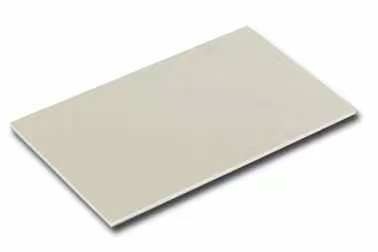
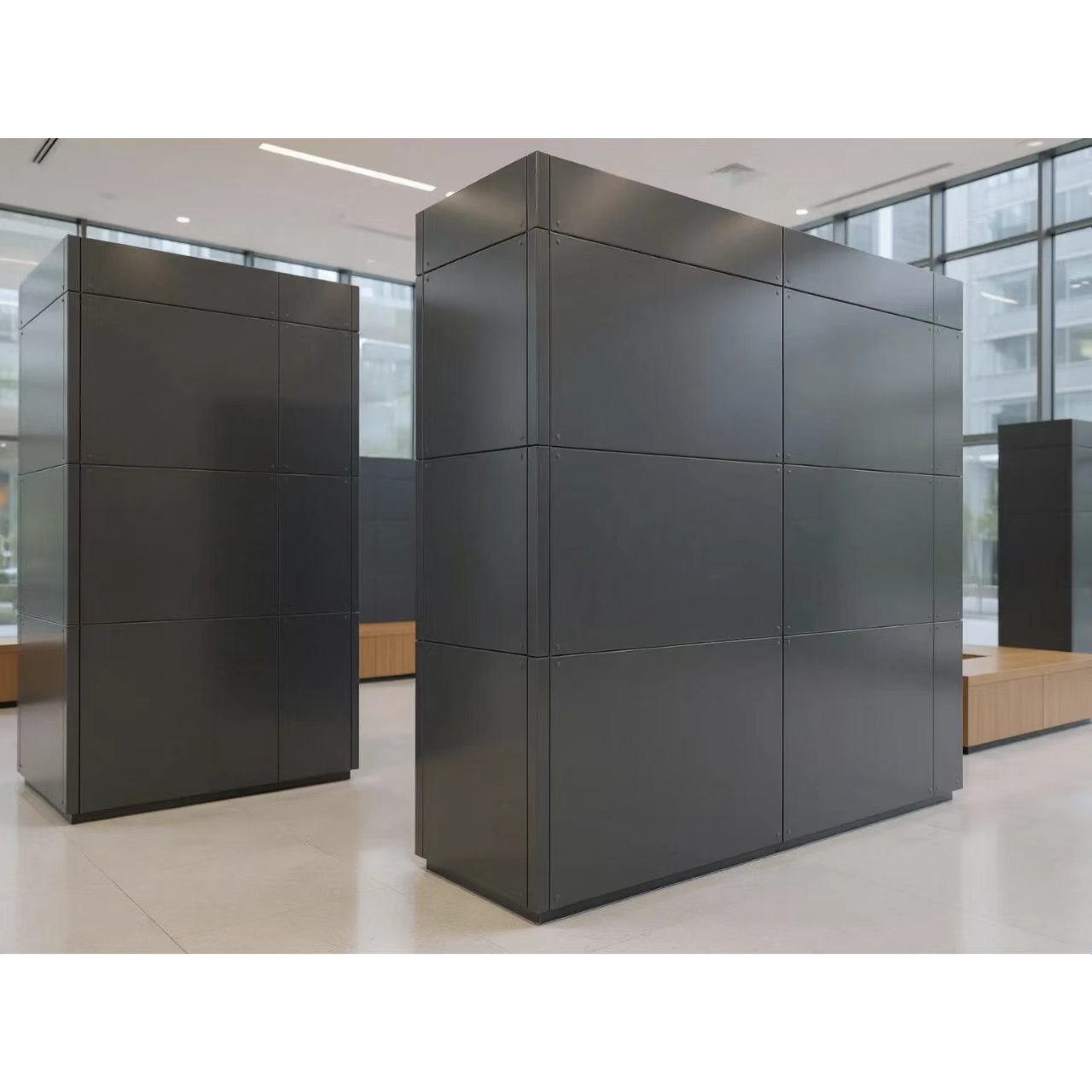
Aluminum Composite Panels consist of two thin aluminum sheets bonded to a non-aluminum core—typically polyethylene or fire-retardant mineral material . This sandwich construction creates a lightweight yet rigid panel ideal for building envelopes.
For warehouses, ACP cladding serves as both protection and aesthetic enhancement. But beyond appearance, these panels deliver specific performance characteristics that matter in industrial settings:
- Lightweight composition reduces structural load requirements
- Weather resistance protects inventory and operations
- Low maintenance minimizes ongoing facility costs
- Design flexibility accommodates branding and functionality
The Warehouse Owner's Investment Framework
When evaluating ACP cladding, warehouse owners should consider five critical factors:
1. Initial Investment vs. Lifecycle Value
The upfront cost of ACP cladding varies significantly based on specifications:
- Standard PE-core ACP panels: $3–$12 per square meter (depending on thickness and finish)
- PVDF-coated panels: $8–$15 per square meter—offering superior weather resistance
- Fire-retardant (FR) variants: Premium pricing, typically 30-50% higher than standard
- Fully installed cost: $15–$40 per square foot including substructure and labor
The Investment Insight: While premium ACP options carry higher initial costs, their 40–50+ year lifespan with minimal maintenance delivers superior lifecycle value compared to materials requiring frequent replacement or intensive upkeep . For warehouses operating on thin margins, this long-term perspective matters.
2. Durability Demands of Warehouse Environments
Warehouses face unique durability challenges that cladding must withstand:
Impact Resistance
Industrial settings involve forklift traffic, material handling equipment, and occasional collisions. ACP's aluminum construction provides excellent impact resistance—the aluminum skin (typically 0.2–0.5mm thick) absorbs impact forces while the core distributes energy . This prevents penetration damage common with thinner materials.
Weather Protection
Warehouses protect valuable inventory. ACP cladding delivers:
- Corrosion resistance: Aluminum won't rust, making it ideal for humid environments or coastal locations
- UV stability: PVDF coatings maintain color and integrity for 20+ years
- Temperature tolerance: Performance from -50°C to 90°C without degradation
- Wind resistance: Engineered systems withstand severe weather, including hurricane-force conditions
Case Comparison:
Cladding Material | Impact Resistance | Weather Resistance | Lifespan | Maintenance Needs |
ACP Cladding | Excellent | Excellent (no rust) | 40-50 years | Minimal (occasional cleaning) |
Vinyl Siding | Poor (cracks in cold | Medium (fades/warps | 20-40 years | Moderate |
Fiber Cement | Good | Very Good | 50+ years | Low (repainting needed |
Steel Cladding | Excellent | Good (rust risk if scratched) | 40-70 years | Moderate (rust prevention) |
Source: Comparative analysis from industry data
3. Fire Safety: The Critical Consideration for Warehouses
Fire safety represents perhaps the most important factor in warehouse cladding decisions. Warehouses often store combustible materials, and external cladding can significantly impact fire behavior.
Fire Rating Classifications Matter
ACP panels come with different fire performance ratings :
- Standard ACP (PE-core): Polyethylene core is flammable—suitable only for low-risk, low-rise applications
- Fire-Retardant ACP (FR): Mineral-filled core achieving Class B rating (EN 13501-1)—significantly reduced flammability
- A1 Non-Combustible ACP: Fully non-combustible core producing no smoke in fire—highest safety rating
Regulatory Context
Building codes increasingly restrict combustible cladding on warehouses, particularly those exceeding height thresholds or containing high-risk contents. Following major fire incidents globally, regulators have tightened requirements .
In many jurisdictions, warehouses above certain sizes or near property lines must use fire-retardant or non-combustible cladding systems. The UAE Fire and Life Safety Code, for example, mandates appropriate fire-rated materials based on building classification .
Investment Implication: While FR and A1-grade ACP cost more upfront, they ensure code compliance, reduce insurance premiums, and protect against catastrophic loss. For warehouse owners, this isn't just smart—it's essential.
4. Energy Efficiency and Operational Cost Impact
Warehouses consume significant energy for heating, cooling, and lighting. Cladding choices affect these operational costs:
Thermal Performance
ACP panels themselves provide moderate insulation (thermal conductivity 0.12–0.23 W/mK) . However, when integrated into complete wall systems with proper insulation backing, they contribute to overall building envelope efficiency.
Reflective Properties
PVDF-coated ACP panels with light colors reflect solar radiation, reducing cooling loads—particularly valuable in warm climates . This "cool roof/wall" effect can lower interior temperatures in unconditioned spaces or reduce HVAC loads in conditioned warehouses.
Energy Cost Reduction Example:
A distribution center in Georgia reduced annual cooling costs by approximately 12% after recladding with reflective ACP panels, according to industry case studies .
5. Installation Efficiency and Business Disruption
For operating warehouses, construction disruption directly impacts business operations.
Installation Advantages of ACP:
- Lightweight panels (typically 5.5–8.2 kg/m²) require less structural reinforcement and simpler handling equipment
- Modular installation through concealed clip systems allows faster attachment
- Dry installation process (no mortar or wet trades) eliminates curing time and weather delays
- Minimal site disruption compared to masonry or precast concrete
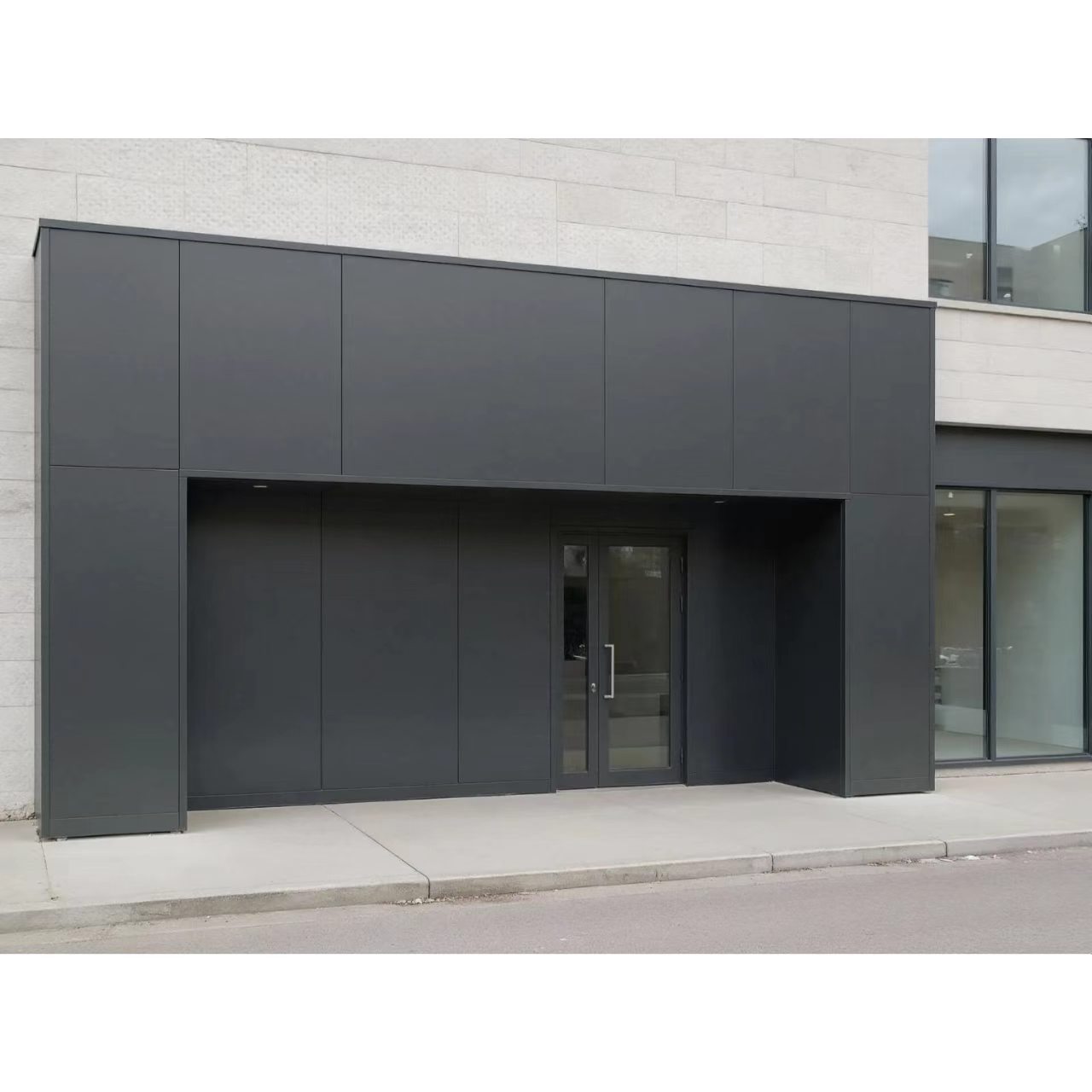
Renovation Consideration: For warehouse recladding projects, ACP's lightweight nature often allows installation over existing facades without extensive structural upgrades, minimizing downtime.
ACP Cladding Types: Matching Product to Warehouse Needs
Not all ACP panels suit all warehouses. Understanding product variations helps match investment to application:
Standard ACP (PE-Core)
- Best for: Low-risk warehouses, interior partitions, non-critical applications
- Pros: Most economical, wide color selection, good formability
- Cons: Combustible core limits exterior use in regulated areas
Fire-Retardant ACP
- Best for: Warehouses requiring code compliance, facilities storing combustible materials
- Pros: Class B fire rating, meets most building codes, good durability
- Cons: Higher cost than standard, slightly heavier
A1 Non-Combustible ACP
- Best for: High-risk facilities, buildings with strict fire safety requirements, multi-story warehouses
- Pros: Fully non-combustible, zero smoke contribution, maximum safety
- Cons: Premium pricing, limited manufacturer options
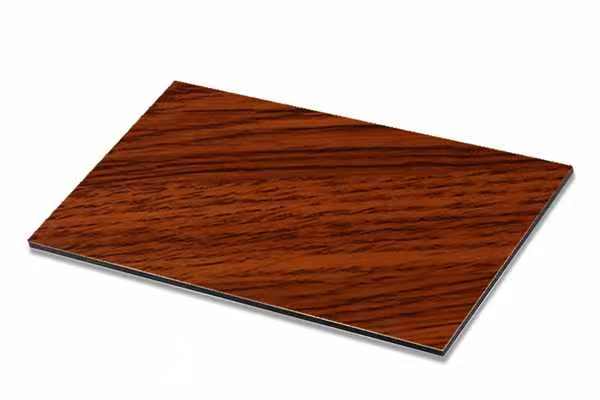
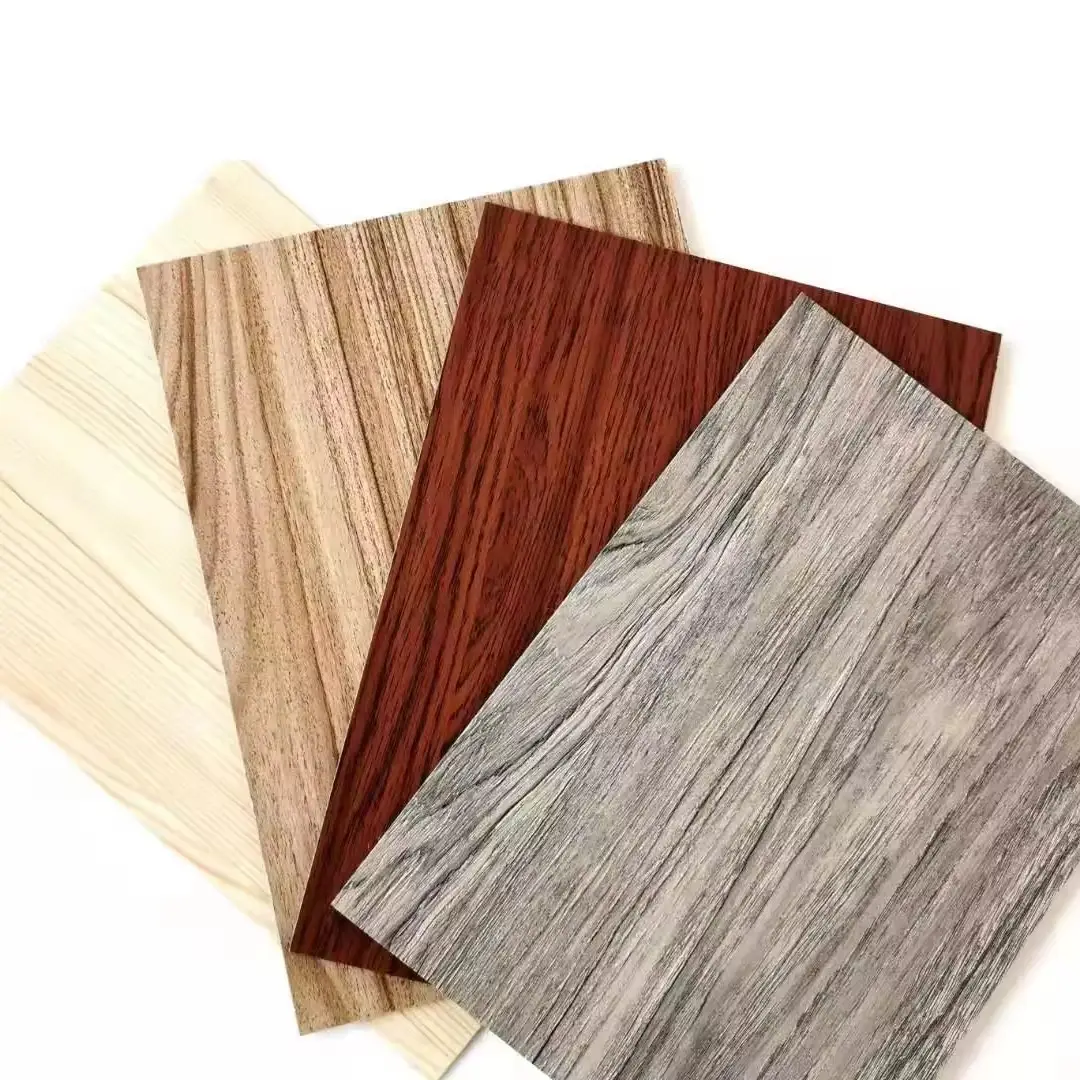
Textured/F finished ACP
- Best for: Warehouse office portions, corporate facilities, brand-forward warehouses
- Pros: Wood, stone, or metallic appearances without natural material costs
- Cons: Higher cost, may require specialized installation
Cost-Benefit Analysis for Warehouse Owners
Scenario 1: New Warehouse Construction
Initial Investment: $150,000–$400,000 for cladding a 50,000 sq.ft. warehouse (depending on specification)
Value Drivers:
- Reduced structural costs: Lightweight panels allow lighter steel framing
- Faster enclosure: Accelerates overall construction schedule
- Long-term durability: 40-50 year lifespan matches building design life
- Energy efficiency: Ongoing utility savings
ROI Calculation: Premium fire-rated ACP adds approximately 15-20% to cladding costs but reduces insurance premiums by 10-25% annually—typically recovering the premium within 5-8 years.
Scenario 2: Warehouse Renovation/Recladding
Investment Range: $12–$30 per square foot installed
Value Drivers:
- Property value enhancement: Modernized appearance increases asset value
- Operational continuity: Minimal disruption during installation
- Energy improvement: Potential HVAC downsizing or reduced loads
- Maintenance elimination: No repainting or repair cycles
Practical Considerations for Warehouse Owners
Maintenance Requirements
One of ACP's strongest investment cases is minimal ongoing maintenance:
- Occasional cleaning with mild detergent removes dirt and maintains appearance
- PVDF coatings resist graffiti and chemical staining
- No repainting required for decades
- Individual panel replacement possible without whole-wall renovation
Customization for Branding
Warehouses increasingly serve as brand touchpoints for logistics-focused companies. ACP offers:
- Custom color matching to corporate palettes (RAL or Pantone)
- Digital printing capability for logos and graphics
- Consistent appearance across large wall areas
Integration with Warehouse Operations
- Loading dock areas: ACP withstands minor impacts from dock equipment
- Security lighting: Reflective surfaces enhance lighting efficiency
- Future expansion: Cladding systems can be matched for additions
Potential Drawbacks to Consider
No investment is without trade-offs. Warehouse owners should weigh:
- Denting potential: While impact-resistant, sharp impacts can dent aluminum surfaces
- Thermal movement: Proper installation must accommodate expansion (linear thermal expansion ~2.4mm/m/100°C)
- Installation quality dependence: Performance relies on skilled installation with proper flashing and sealing
- Initial cost premium: Higher than basic metal siding or vinyl options
Making Your Decision: Key Questions for Warehouse Owners
Before investing in ACP cladding, ask these questions:
1. What are my local building code requirements? Verify fire rating requirements based on warehouse size, height, and occupancy.
2. What's my timeline for ownership? If holding long-term (10+ years), ACP's durability and low maintenance deliver maximum value.
3. What inventory am I protecting? Valuable or moisture-sensitive goods justify premium envelope investments.
4. What's my climate exposure? Coastal, high-wind, or extreme temperature locations benefit from ACP's weather resistance.
5. Do I have brand/aesthetic requirements? Customer-facing warehouses justify appearance investments.
6. What's my maintenance budget/capability? Limited maintenance staff favors low-maintenance ACP.
Conclusion: Is ACP Cladding a Smart Warehouse Investment?
For most warehouse owners, yes—ACP cladding represents a smart long-term investment when properly specified for the application.
The combination of durability (40-50 year lifespan), minimal maintenance, fire safety options, energy efficiency potential, and professional appearance creates compelling value for industrial buildings. While the initial investment exceeds basic alternatives, the lifecycle cost analysis typically favors ACP for owners with medium-to-long-term horizons.
Critical to investment success is proper specification:
- For basic warehouses: Standard ACP with appropriate fire rating
- For high-value facilities: Fire-retardant ACP with PVDF coating
- For maximum safety: A1 non-combustible panels
- For brand-focused facilities: Custom-finished panels matching corporate identity
Work with experienced suppliers and installers who understand warehouse requirements. Verify fire certifications (EN 13501-1, ASTM E84) . Request samples to verify color and quality before ordering . And ensure installation contracts include proper flashing, sealing, and thermal movement accommodation.
Your warehouse protects your business operations and inventory. Investing in quality cladding isn't an expense—it's protection for everything inside.
Frequently Asked Questions
How long does ACP cladding last on a warehouse?
Properly installed and maintained ACP cladding typically lasts 40-50 years . PVDF-coated panels maintain color and integrity for decades with minimal maintenance.
Is fire-rated ACP required for warehouses?
Requirements vary by jurisdiction, but warehouses storing combustible materials or exceeding certain heights typically require fire-retardant (FR) or non-combustible ACP. Always verify local building codes .
Can ACP cladding improve warehouse energy efficiency?
Yes, particularly reflective PVDF-coated panels in light colors reduce solar heat gain, lowering cooling costs in warm climates . Combined with proper insulation backing, ACP contributes to overall envelope performance.
How does ACP compare to metal siding for warehouses?
ACP offers superior flatness, more color options, and better corrosion resistance than standard metal siding. It's also lighter, reducing structural requirements. Steel may offer slightly better impact resistance in very high-risk areas .
What maintenance does warehouse ACP cladding require?
Minimal maintenance—occasional washing with mild detergent and water to remove dirt. No repainting, sealing, or regular treatment needed. Inspect sealant joints periodically .
Can existing warehouses be retrofitted with ACP cladding?
Absolutely. ACP's lightweight nature makes it ideal for recladding projects, often installable over existing facades without major structural upgrades . This minimizes operational disruption.