Welcome to Vbond
How a Landmark Tower Used ACP to Achieve LEED Certification
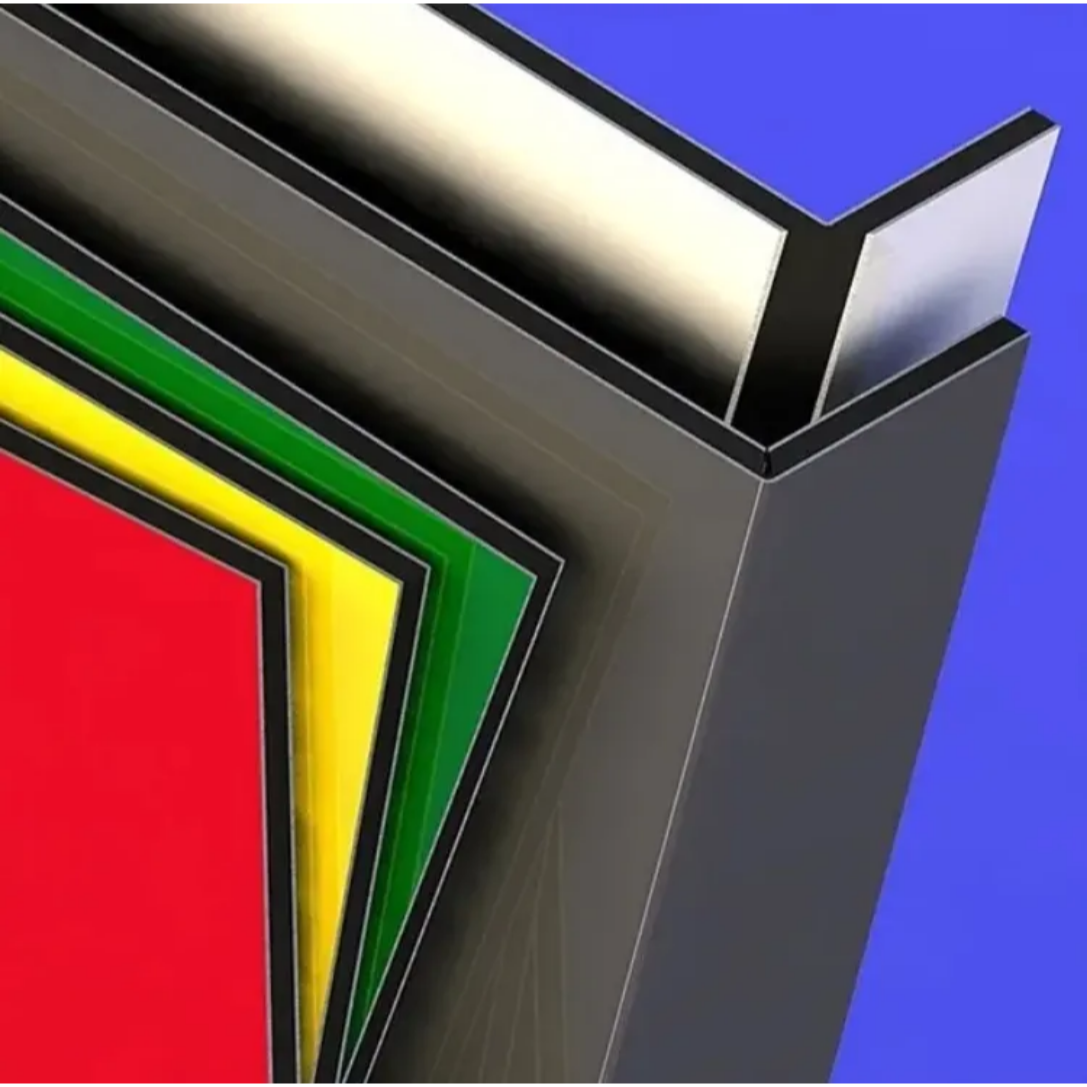
In the evolving world of green construction, the journey toward Leadership in Energy and Environmental Design (LEED) certification often requires architects to look beyond mechanical systems and focus on the building envelope. For a recent landmark tower project, the secret weapon wasn't just high-efficiency HVAC or solar panels—it was Aluminum Composite Panels (ACP) . This case study examines how an iconic skyscraper leveraged sustainable ACP materials to secure its place in the upper echelons of eco-friendly design, providing a replicable roadmap for developers aiming for LEED Platinum or Gold status.
The Challenge: Balancing Aesthetics with LEED Credits
For the developers of the recently completed "Avocet Tower" (a 22-story mixed-use landmark), the vision was clear: achieve LEED-CS Platinum certification while creating a striking visual landmark. The primary challenge lay in the cladding. Traditional glass facades, while beautiful, often struggle with solar heat gain. The project needed a material that offered design flexibility, durability, and significant contributions to the LEED v4 rating system, specifically in the Materials and Resources (MR) and Energy & Atmosphere (EA) categories.
The solution was found in high-performance Aluminum Composite Panels (ACP).
The Strategy: Leveraging ACP for LEED Points
To turn the building envelope into a sustainability asset, the project team focused on three critical areas where ACP could drive LEED certification:
1. Product Transparency and EPDs (Materials and Resources Credit)
One of the toughest hurdles in LEED v4 and v4.1 is the requirement for product transparency. The Avocet Tower team sourced ACPs from a manufacturer that provided Environmental Product Declarations (EPD).
As seen with suppliers like Viva Composite Panel, EPD-certified ACPs are game-changers. These declarations outline the lifecycle assessment of the panel, from raw material extraction to manufacturing. By specifying ACPs with third-party verified EPDs, the project qualified for LEED points under the "Building Product Disclosure and Optimization" credit. Crucially, documentation showing that up to 95% of the aluminum and 90% of the core materials are recyclable contributed directly to circular economy principles, earning up to two points toward certification.
2. Energy Performance and the Building Envelope
While often overshadowed by glass, the ACP system played a vital role in the tower's energy model. The landmark utilized a sophisticated ACP rainscreen system that acted as a thermal buffer. This approach aligns with Alternative Compliance Paths (ACPs) available in LEED, specifically regarding energy performance.
By using the Alternative Energy Performance Metric pilot ACP (EApc95), the team could model the building's performance based on source energy and greenhouse gas emissions rather than just cost. The high reflectivity and thermal properties of the ACP cladding reduced the cooling load significantly, helping the tower achieve the required energy use reduction (similar to the 45% energy savings seen in other high-performance towers)
3. Low-Emitting Materials (Indoor Environmental Quality)
For the interior applications of ACP—used in lobby feature walls and elevator interiors—the team ensured the panels met strict indoor air quality standards. Specifying panels with low-VOC cores and coatings contributed to the Low-Emitting Materials credit, ensuring that the aesthetic finishes did not compromise occupant health.
Project Outcomes: A New Standard in Green Building
By integrating ACP into the core sustainability strategy, the landmark tower achieved remarkable results that extended beyond the LEED plaque:
- Certification Achieved: LEED-CS Platinum.
- Energy Savings: The combination of the ACP facade and high-performance glazing contributed to a modeled energy saving that outperformed the baseline by a significant margin, aiding in the reduction of greenhouse gas emissions—a strategy also employed successfully in projects like the Intuit Dome and Arthaland Century Pacific Tower.
- Waste Reduction: The prefabricated nature of the ACP panels minimized construction waste, supporting the Construction and Demolition Waste Management credits.
- Market Differentiation: Much like other LEED-certified structures that command higher lease rates, the use of visibly sustainable materials boosted the tower's prestige and occupancy appeal.
Key Takeaways for Architects and Developers
The success of this landmark tower demonstrates that ACP is not just a cladding material; it is a certification tool. To replicate this success, consider the following steps:
1. Specify EPDs: Mandate EPD certification in your procurement contracts. Without the documentation, the material contributes nothing to the MR credits.
2. Utilize Pilot ACPs: Don't shy away from LEED's Alternative Compliance Paths. Whether for energy modeling or ventilation, these paths (like EApc95) allow for innovative design solutions that standard paths might not accommodate.
3. Integrate Early: The impact of ACP on energy modeling must be calculated early in the design phase to maximize its contribution to the Energy & Atmosphere credits.
Conclusion
The landmark tower stands today not only as a monument of architectural prowess but as a testament to intelligent material selection. By harnessing the specific properties of Aluminum Composite Panels—from their recyclable content to their role in energy efficiency—the project team successfully navigated the rigorous demands of LEED certification. As green building standards continue to tighten, the ACP will remain a versatile and powerful ally for those looking to build a more sustainable future.






