Welcome to Vbond
How ACP is Revolutionizing Retail and Pop-Up Store Design
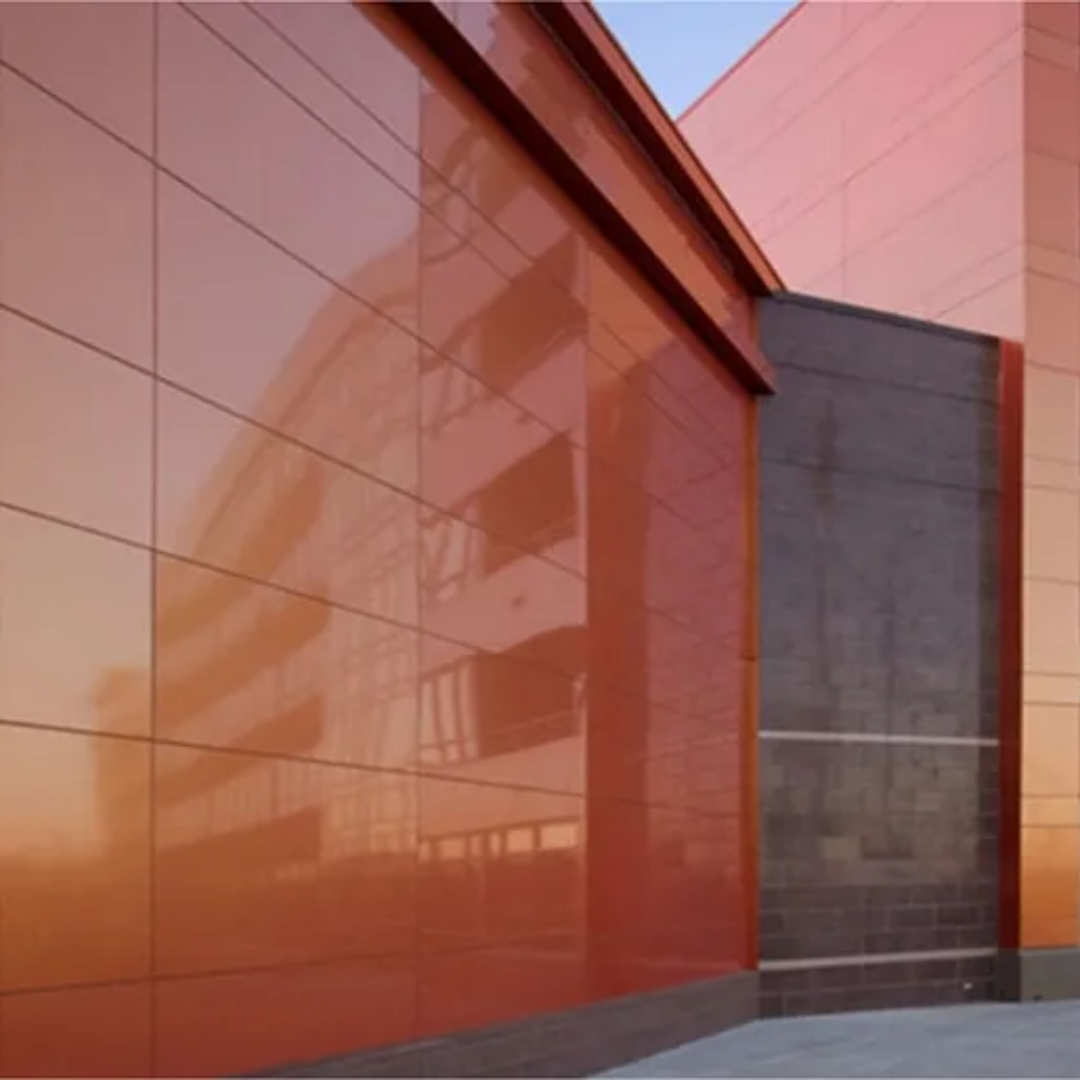
Introduction: The Need for Speed and Spectacle in Retail
The modern retail landscape is defined by two competing demands: the need for high-impact, immersive brand experiences and the imperative for agile, cost-effective build-outs. Traditional construction materials often fail this dual test, being either too slow, too heavy, or too inflexible. Enter Aluminum Composite Panels (ACP), a material that is fundamentally reshaping the design and execution of both permanent flagship stores and transient pop-up installations. This article explores how ACP’s unique properties are enabling a new era of retail design defined by speed, versatility, and unforgettable visual communication.
1. The Engine of Agility: Speed from Concept to Customer
For pop-up stores and seasonal retail activations, time is the ultimate currency. ACP delivers unparalleled speed at every stage.
Rapid Prototyping and Iteration: Digital designs can be directly translated to CNC-cut ACP components with minimal lead time. This allows designers to quickly prototype and refine complex forms, signage, and fixtures before final production.
Off-Site Prefabrication: Entire store interiors and facades can be fabricated as modular ACP cassettes in a controlled workshop. This transforms on-site construction from a weeks-long process into a matter of days—simply a matter of assembly. For pop-ups with leases as short as a weekend, this is not an advantage; it’s a prerequisite for viability.
Dry-Assembly Systems: Many ACP systems utilize hidden mechanical fixings or adhesive bonds, eliminating the need for wet trades such as plastering and painting. This creates a cleaner, faster, and immediately usable retail environment.
2. The Canvas for Brand Storytelling: Unmatched Graphic Potential
A store’s walls are no longer mere boundaries; they are the primary canvas for brand narrative. ACP unlocks this potential.
Full-Facade Digital Printing: The most significant revolution is direct-to-panel UV digital printing. This allows for seamless, large-format graphics, photorealistic imagery, and custom patterns to be applied directly to ACP sheets. A store can become a walk-through lookbook or an abstract art installation.
Tactile Branding with Textures: Beyond flat graphics, ACP can be specified in finishes that reinforce brand identity. A tech brand might use a sleek, brushed metallic finish; an eco-brand might select a convincing woodgrain texture; a luxury label might opt for a custom-color, high-gloss panel.
Integrated Illumination: ACP’s ability to be cleanly routed allows for the seamless integration of LED lighting strips. This enables backlit logos, illuminated displays, and atmospheric coves, turning the architecture itself into a dynamic light source.
3. Design Flexibility: Crafting Unique Spatial Experiences
Retail today must be experiential. ACP’s physical properties allow designers to sculpt space in ways previously reserved for high-budget projects.
Creating Curves and Organic Forms: Unlike rigid solid materials, ACP can be easily cold-formed on-site to create sweeping curved walls, arched portals, and flowing display units. This softens the retail environment and creates a more engaging customer journey.
3D Brand Elements and Sculptural Fixtures: The material can be folded into three-dimensional letters, geometric ceiling clouds, or sculptural product plinths. These elements become focal points and Instagram-worthy moments, driving social media engagement.
Lightweight for Structural Freedom: ACP’s minimal weight allows for the creation of dramatic overhangs, double-height feature walls, and complex ceiling installations without requiring heavy (and expensive) structural reinforcement.
4. The Economics of Temporary Permanence
ACP provides a sophisticated solution to the core paradox of pop-ups: creating a high-quality, branded experience that is inherently temporary.
Durability for Multiple Activations: A high-quality ACP installation is durable enough to be disassembled, transported, and reconfigured for multiple pop-up events across different cities, maximizing the return on investment for the build.
Cost Control Through Standardization: Designing with a modular kit-of-parts approach using standard ACP sheet sizes minimizes waste and fabrication cost. Fixtures and walls can be designed for reuse.
Professional Finish at a Project Budget: ACP delivers the crisp, seamless, and premium aesthetic expected of a flagship store, but at a fraction of the cost and time of traditional materials like stone, glass, or custom millwork.
A Case Study in Practice
Imagine a pop-up for a new sneaker launch. The design features:
1. A digitally printed ACP facade showing a giant, iconic athlete graphic.
2. An interior with cold-formed curved ACP walls guiding customers through a "journey" zone.
3. Backlit ACP display niches showcasing the products.
4. A central sculptural fixture made of folded, glossy ACP is the main attraction.
5. After a two-week run, the entire installation is unbolted, crated, and shipped to the next city.
This scenario, once logistically and financially daunting, is now standard practice, enabled by ACP.
Conclusion: The Indispensable Material for Modern Retail
ACP has evolved from a simple cladding material to the foundational technology of agile retail architecture. It successfully bridges the gap between the need for spectacular brand theater and the realities of tight budgets and tighter timelines. By offering unmatched speed, graphic versatility, and sculptural potential, ACP empowers brands to create deeply immersive, flexible, and memorable retail environments that can evolve as quickly as consumer trends. In the high-stakes world of retail, where experience is the ultimate product, ACP has become not just an option but an essential tool for competitive differentiation and design innovation.






